Pet ownership is a journey filled with unconditional love, joyful moments, and, inevitably, responsibilities. Among these responsibilities, ensuring the health and well-being of our beloved companions ranks paramount. As veterinary medicine advances, so too do the costs associated with keeping our pets healthy. This reality has propelled pet insurance from a niche product to a mainstream necessity for many pet parents. However, the world of pet insurance is fraught with complexities, especially when it comes to covering chronic conditions. In 2026, a significant percentage of policies still leave pet owners vulnerable, failing to cover these long-term ailments. Understanding these gaps is not just important; it’s crucial for making informed decisions that protect both your pet’s health and your financial stability.
Navigating Pet Insurance in 2026: What 15% of Policies Don’t Cover for Chronic Conditions
The landscape of pet insurance is constantly evolving, with new providers, plans, and features emerging each year. While the overall trend is towards more comprehensive coverage, a closer look reveals persistent blind spots. Our focus today is on Pet Chronic Conditions and the alarming fact that a noticeable percentage, estimated to be around 15% of pet insurance policies in 2026, still do not provide adequate, or any, coverage for these ongoing health issues. This can lead to unexpected financial burdens and heart-wrenching decisions for pet owners.
The Rise of Pet Insurance: A Double-Edged Sword
The pet insurance market has experienced exponential growth over the past decade. Driven by increasing pet ownership, advanced veterinary treatments, and a deeper bond between humans and their animal companions, more pet parents are turning to insurance as a way to mitigate the high costs of veterinary care. This growth is a positive sign, indicating a greater emphasis on pet welfare. However, with a wider array of options comes a greater need for scrutiny. Not all policies are created equal, and the fine print often holds critical information regarding what is, and isn’t, covered, particularly for Pet Chronic Conditions.
What Exactly Are Chronic Conditions in Pets?
Before delving into coverage gaps, it’s essential to define what constitutes a chronic condition in the context of pet health. Chronic conditions are long-lasting illnesses or health issues that require ongoing management, treatment, and often, medication. Unlike acute injuries or illnesses that resolve quickly, chronic conditions persist over extended periods, sometimes for the pet’s entire life. Examples include:
- Diabetes
- Arthritis
- Allergies (environmental, food)
- Cancer (though some policies treat this differently)
- Epilepsy
- Thyroid disorders
- Kidney disease
- Heart disease
- Autoimmune diseases
These conditions not only impact a pet’s quality of life but also demand consistent veterinary attention, specialist consultations, diagnostic tests, and often expensive long-term medications. The cumulative cost of managing Pet Chronic Conditions can easily run into thousands of dollars annually, making insurance coverage a vital consideration.
The 15% Gap: Why Are Some Policies Falling Short?
The statistic that 15% of policies in 2026 may not cover Pet Chronic Conditions is a stark reminder that pet insurance is not a one-size-fits-all solution. Several factors contribute to these coverage gaps:
1. Pre-existing Condition Exclusions
This is arguably the most significant hurdle for owners of pets with chronic conditions. Almost all pet insurance policies exclude coverage for pre-existing conditions. A pre-existing condition is generally defined as any illness or injury that showed symptoms or was diagnosed before the policy effective date or during the waiting period. While this is standard practice, the interpretation and application of this clause can vary wildly among providers.
- "Curable" vs. "Incurable" Pre-existing Conditions: Some policies differentiate. A "curable" pre-existing condition (e.g., a resolved ear infection) might be covered after a certain symptom-free period. However, "incurable" chronic conditions (like diabetes or arthritis) are almost universally excluded if they manifest before coverage begins.
- Waiting Periods: Even for new policies, there are often waiting periods (e.g., 14 days for illness, a few days for accidents) during which conditions that arise are considered pre-existing. This is a critical factor for newly adopted pets or those with subtle, undiagnosed issues.
2. Accident-Only Plans
A portion of the 15% likely comprises accident-only pet insurance plans. These plans are typically the most affordable but offer the least comprehensive coverage, focusing solely on injuries sustained from accidents (e.g., broken bones, snake bites, car accidents). They explicitly exclude illnesses, including all Pet Chronic Conditions. While they serve a purpose for budget-conscious owners seeking basic protection against unforeseen calamities, they offer no safety net for long-term health issues.
3. Annual and Lifetime Limits
Even policies that do cover chronic conditions may have limitations that effectively diminish their usefulness. Many plans come with annual reimbursement limits or even lifetime limits. For chronic conditions requiring continuous, expensive treatment, these limits can be quickly exhausted, leaving pet owners to foot the remaining bills. Some policies offer "unlimited" annual coverage, which is a significant advantage for pets with lifelong conditions.
4. Specific Exclusions and Riders
Some policies have specific exclusions for certain conditions or types of treatments, even those related to chronic illnesses. For instance, some might exclude behavioral therapies, specific alternative treatments, or certain prescription foods often critical for managing Pet Chronic Conditions. While less common in comprehensive plans, it’s vital to read the policy wording carefully.
5. Age Restrictions and Senior Pet Policies
Older pets are more prone to developing chronic conditions. Some insurers have age cut-offs for enrolling new pets in comprehensive plans, or they may offer specific "senior pet" policies that come with higher premiums, lower reimbursement rates, or more exclusions, particularly for conditions common in older animals.
The Impact of Uncovered Pet Chronic Conditions
The financial and emotional toll of managing uncovered Pet Chronic Conditions can be immense:
- Financial Strain: Without insurance, the cost of ongoing veterinary care can quickly deplete savings or lead to debt. Monthly medications, specialized diets, regular vet visits, and diagnostic tests add up.
- Compromised Care: In severe cases, financial constraints might force pet owners to make difficult decisions about their pet’s treatment, potentially compromising their quality of life or even leading to euthanasia.
- Emotional Distress: The stress of worrying about a pet’s health combined with financial pressure can be overwhelming for pet parents.
How to Navigate the Pet Insurance Maze in 2026
Given these challenges, how can pet owners ensure they select a policy that truly protects their furry family members, especially against Pet Chronic Conditions?
1. Understand Your Pet’s Health History
Before even looking at policies, have a clear understanding of your pet’s medical records. Any pre-existing conditions will significantly influence your insurance options. If adopting a new pet, especially from a shelter, try to get as much health history as possible.
2. Start Early: Insure While Your Pet is Young and Healthy
The absolute best time to get pet insurance is when your pet is young and has no pre-existing conditions. This ensures that any conditions that develop later (including chronic ones) will likely be covered, subject to the policy’s terms. Waiting until your pet shows symptoms of an illness will almost certainly result in that condition being deemed pre-existing and excluded from coverage.
3. Differentiate Between Policy Types
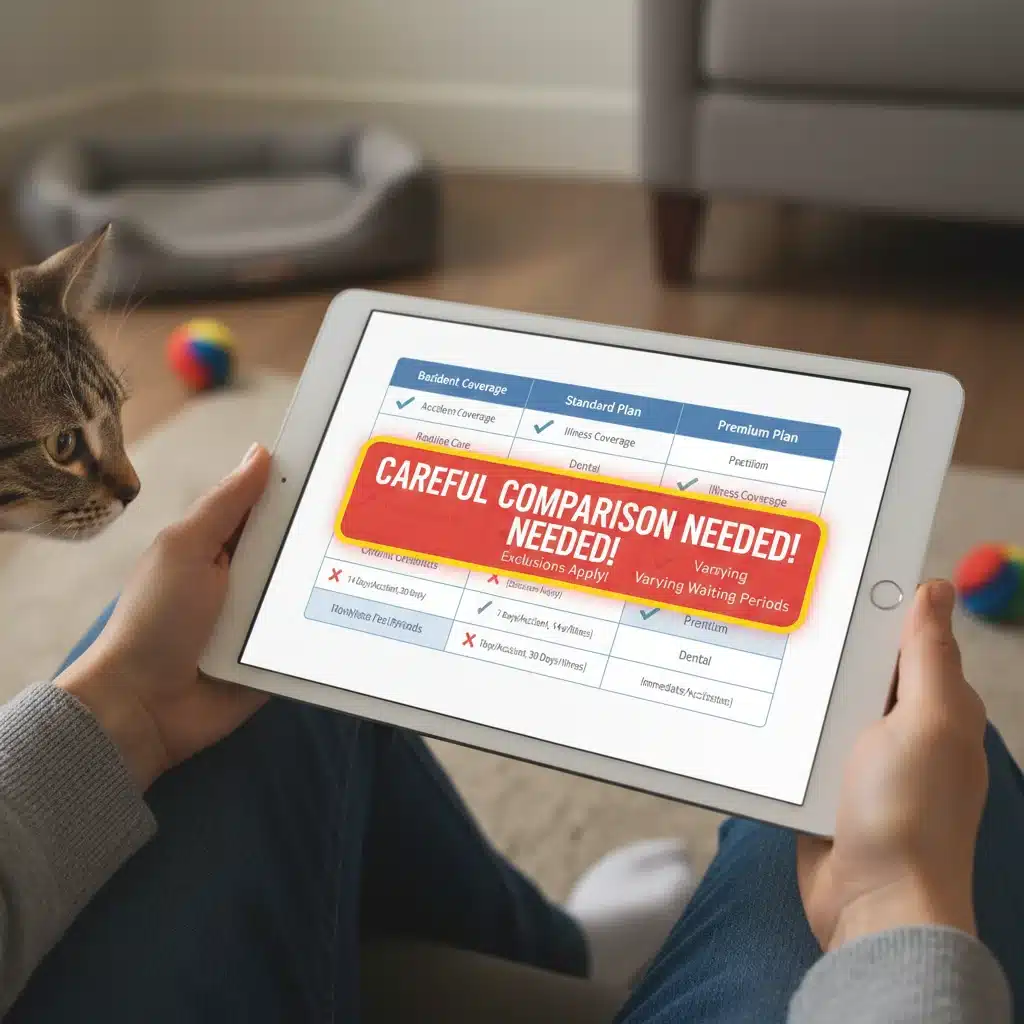
Familiarize yourself with the main types of pet insurance policies:
- Accident-Only: Covers injuries from accidents. No illness coverage, no chronic condition coverage.
- Accident & Illness: The most common and recommended type. Covers accidents, illnesses (including many chronic conditions if not pre-existing), and often emergency care. This is where you need to scrutinize the chronic condition clauses.
- Wellness Plans/Riders: These are not insurance but rather discount or reimbursement plans for routine care (vaccinations, check-ups, dental cleanings). They do not cover chronic conditions but can be added to comprehensive plans.
4. Read the Fine Print: Policy Wording is Key
This cannot be stressed enough. Do not just look at the premium and the headline features. Request sample policies and meticulously read:
- Exclusions List: What conditions, treatments, or situations are explicitly not covered? Look for language around chronic, recurring, or congenital conditions.
- Pre-existing Condition Clause: How is it defined? Is there a "curable" vs. "incurable" distinction? What documentation is required?
- Waiting Periods: How long are they for accidents and illnesses?
- Reimbursement Percentage: How much of the vet bill will the insurer pay (e.g., 70%, 80%, 90%)?
- Deductible: How much do you pay out-of-pocket before coverage kicks in? Is it annual or per-incident?
- Annual/Lifetime Limits: Are there caps on how much the policy will pay out in a year or over the pet’s lifetime? Opt for unlimited coverage if possible, especially for Pet Chronic Conditions.
5. Compare Multiple Providers
Don’t settle for the first quote. Get quotes from several reputable pet insurance companies. Use comparison websites, but also visit the insurers’ direct sites. Pay attention to their reputation, customer service, and how they handle claims, particularly for long-term treatments.
6. Ask Direct Questions About Chronic Conditions
When speaking with an insurance representative, be explicit. Ask:
- "If my pet develops diabetes next year, will it be covered?"
- "How do you define a pre-existing chronic condition?"
- "Are there any chronic conditions that are never covered by your policies?"
- "What happens if my pet’s chronic condition exceeds the annual limit?"
7. Consider "Per-Condition" vs. "Annual" Deductibles and Limits
Some policies have a deductible per condition, meaning you pay it each time a new condition arises. Others have an annual deductible, which you pay once a year regardless of how many conditions your pet develops. For Pet Chronic Conditions, an annual deductible is often more favorable as you only pay it once a year for ongoing treatment, rather than for each flare-up or related issue.
8. Look for Policies with No Payout Limits
While often more expensive, policies with no annual or lifetime payout limits offer the best protection for chronic conditions. These ensure that even if your pet requires extensive, lifelong treatment, you won’t hit a ceiling on reimbursement.
The Future of Pet Insurance and Chronic Conditions
As veterinary medicine continues to advance, so too will the understanding and treatment of Pet Chronic Conditions. We can anticipate that the 15% gap will likely shrink as consumer demand for comprehensive coverage grows. Insurers are continuously refining their offerings, and some trends to watch for include:
- Increased Transparency: More straightforward language regarding pre-existing conditions and chronic care.
- Specialized Chronic Care Plans: Potentially new policy types specifically designed for pets with diagnosed chronic conditions, albeit with different premium structures.
- Integration with Wellness Programs: A more seamless connection between preventive care and chronic disease management.
- Telemedicine Coverage: Growing acceptance and coverage for virtual consultations, which can be particularly useful for managing stable chronic conditions.
Case Studies: Real-World Scenarios
To illustrate the importance of understanding chronic condition coverage, consider these hypothetical scenarios:
Scenario 1: The Undiagnosed Puppy
Sarah adopts a seemingly healthy puppy, Luna, at 8 weeks old and immediately enrolls her in an accident-only pet insurance plan to save on premiums. At 6 months, Luna starts showing signs of severe allergies, a common Pet Chronic Condition. After extensive testing, she’s diagnosed with environmental allergies requiring lifelong medication and specialized vet visits. Sarah’s accident-only policy offers no coverage, leaving her to pay thousands out-of-pocket annually. Had she chosen a comprehensive accident & illness plan when Luna was healthy, the allergies would likely have been covered.
Scenario 2: The Senior Cat with Kidney Disease
David has a 10-year-old cat, Mittens, who has been healthy her whole life. David decides to get pet insurance now that Mittens is older, choosing a policy with a low annual limit and a strict pre-existing condition clause that doesn’t differentiate between curable and incurable conditions. A few months later, Mittens is diagnosed with early-stage kidney disease, a progressive Pet Chronic Condition. Because the symptoms were noticed shortly after the waiting period, the insurer deems it a pre-existing condition based on their broad definition, and denies coverage. David is left to manage the significant costs of Mittens’ ongoing care alone.
Scenario 3: The Prepared Pet Parent
Maria got pet insurance for her dog, Buster, when he was just a few months old, opting for a comprehensive plan with unlimited annual benefits and a clear understanding of the pre-existing condition clauses. At age 4, Buster develops epilepsy, a lifelong Pet Chronic Condition requiring daily medication and regular neurological check-ups. Because the condition developed after the policy was in effect and outside any waiting periods, Buster’s epilepsy treatment is fully covered by Maria’s insurance, significantly easing the financial burden and allowing her to focus on Buster’s care and well-being.
Beyond Insurance: Holistic Pet Care for Chronic Conditions
While pet insurance is a crucial financial tool, it’s part of a larger picture of holistic pet care. For pets with Pet Chronic Conditions, a multi-faceted approach is often best:
- Regular Veterinary Check-ups: Early detection can make a significant difference in managing chronic conditions and preventing them from becoming pre-existing exclusions.
- Healthy Diet and Exercise: A balanced lifestyle can help manage symptoms and improve overall quality of life for pets with chronic issues.
- Specialist Consultations: Don’t hesitate to seek advice from veterinary specialists (e.g., dermatologists for allergies, cardiologists for heart disease) if your regular vet recommends it.
- Support Networks: Connect with other pet owners whose animals have similar chronic conditions. They can offer valuable advice and emotional support.
- Emergency Fund: Even with insurance, having an emergency fund is wise. Deductibles, co-pays, and uncovered services (like some specialized supplements) will still be out-of-pocket expenses.
Conclusion: Empowering Pet Owners in 2026
The journey of pet ownership is incredibly rewarding, but it comes with the responsibility of ensuring our companions live long, healthy, and happy lives. As we look to 2026, the landscape of pet insurance continues to evolve, offering more options but also demanding greater vigilance from pet parents. The 15% of policies that may not adequately cover Pet Chronic Conditions serve as a critical reminder that not all insurance is created equal.
By understanding the nuances of policy wording, asking the right questions, and investing in comprehensive coverage early in your pet’s life, you can avoid the heartbreak and financial strain of uncovered chronic conditions. Your pet deserves the best care, and with careful planning and informed decisions, you can provide that peace of mind, knowing you are prepared for whatever health challenges may arise.
Don’t let the complexities deter you. Empower yourself with knowledge, compare diligently, and choose a pet insurance policy that truly reflects your commitment to your pet’s long-term health and well-being. The future of pet care is bright, and with the right insurance, you can ensure your beloved companion is part of that future, regardless of their health journey.