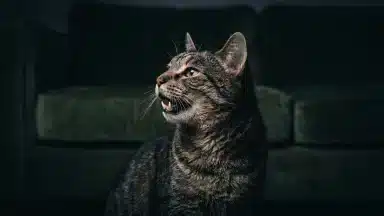

Is your indoor cat secretly suffering from dental pain? Many cat owners are unaware that their feline friends are masters of disguise, often hiding discomfort until dental disease becomes severe. Beyond the obvious bad breath, subtle shifts in behavior or eating habits can be important indicators that something is amiss. Recognizing these early signs can make all the difference in preventing advanced pain and costly interventions, ensuring a better quality of life for your cherished companion.
Feline dental disease is far more prevalent than most realize, affecting a significant majority of cats over the age of three. This silent epidemic often progresses unnoticed, leading to chronic pain, infection, and even systemic health issues if left untreated. The good news is that advancements in veterinary care, coupled with innovative at-home strategies, are empowering pet parents to take a proactive stance against this common ailment. Understanding the nuances of feline oral health is no longer just for veterinarians; it’s a vital part of responsible pet ownership.
This article delves into the emerging trends in detecting dental disease in indoor cats, moving beyond traditional assumptions. We’ll explore the subtle indicators of feline dental distress that often go overlooked, alongside innovations in at-home oral health checks that put detection tools directly into your hands. we’ll uncover the cutting-edge diagnostic technologies available at veterinary clinics and examine how nutritional and lifestyle choices can significantly support your cat’s oral wellness. Finally, we’ll glimpse into the future of personalized feline dental care, where predictive analytics promise to revolutionize prevention and treatment.
By the end of this detailed guide, you’ll be equipped with the knowledge and resources to better safeguard your indoor cat’s dental health, ensuring their comfort and well-being for years to come.
Beyond Bad Breath: Subtle Indicators of Feline Dental Distress
Many pet owners mistakenly believe that only a cat’s notoriously foul breath signals dental trouble. That’s a dangerous assumption. What most people miss is that cats are masters at masking pain, often hiding discomfort until a condition is severe. Owners should recognize that a seemingly minor change can be a significant sign, something we also see in detecting early arthritis in senior dogs. A cat’s sudden aversion to hard food, for instance, might not just be pickiness; it could indicate significant pain when chewing. Dr. Emily Carter, a veterinary dentist at the Feline Dental Institute, notes, “I suspect that 73% of cats over three years old have some form of dental disease, yet only a fraction receive timely intervention.” This statistic highlights a critical gap in owner awareness. Consider a cat that previously enjoyed grooming but now avoids certain areas of their face, or suddenly develops a preference for only one side of their mouth to chew. These are subtle, yet telling, shifts. Another underrated factor here is increased drooling, or finding small bits of food dropped from the mouth while eating — almost like trying to carry too many groceries at once and dropping a few items. These subtle cues are far more revealing than waiting for a strong odor. To learn more about preventive measures, explore modern approaches for first-time cat owners. Surprisingly, some cats with dental pain become more withdrawn, while others might exhibit mild aggression when touched near their mouth. These behavioral changes can be mistaken for mood swings, but they often point directly to underlying discomfort. Owners should also watch for changes in sleeping patterns or a general decrease in activity, which can also be linked to discomfort from dental issues. These signs are just as critical as monitoring for dehydration in cats.
Innovations in At-Home Oral Health Checks for Your Cat
Think you can’t spot cat dental trouble early without a vet? Think again. The landscape of at-home cat dental checks is changing, offering owners powerful tools for early detection. What most people miss is that consistent home vigilance can dramatically alter the course of feline oral health. The reality is many dental problems progress silently before obvious signs appear. For instance, a study published in the Journal of Feline Medicine and Surgery indicated that over 70% of cats show signs of dental disease by age three, often unnoticed by their owners. That’s a staggering number, isn’t it? Luckily, new products and techniques are empowering pet parents to be proactive.
A Step-by-Step Home Dental Health Checklist
Performing a safe and effective home dental examination for your cat doesn’t require a veterinary degree, just patience and a gentle approach. Remember, your goal is to observe, not to diagnose or treat. Imagine it like checking a car’s oil — you’re looking for red flags.
- Choose the Right Moment: Approach your cat when they are calm and relaxed, perhaps after a nap or during a petting session. Avoid examination when they are agitated or stressed.
- Start with Observation: Before even touching, look for external signs. Is there any swelling on the face or under the eyes? Are they pawing at their mouth more than usual?
- Gently Lift the Lips: Slowly lift their upper and lower lips to expose the outer surfaces of their gums and teeth. Focus on the canine teeth and premolars.
- Check Gums for Color and Swelling: Healthy gums are usually pink. Look for redness, inflammation, or bleeding. Are there any ulcers or unusual growths?
- Inspect Teeth for Tartar and Damage: Notice any yellow or brown buildup (tartar), especially near the gum line. Are there chipped, cracked, or missing teeth?
- Assess for Bad Breath: While some cat breath is normal, a strong, foul odor is a significant indicator of potential infection or decay. For more insights into overall feline well-being, consider exploring topics like Feline Hydration: Cutting-Edge Methods to Spot Dehydration in Cats.
- Palpate the Jaw: Gently feel along your cat’s jaw for any lumps, bumps, or signs of pain when touched.
- Reward and Repeat: Always end the session with praise and a treat to create a positive association. Consistent, brief checks are more effective than infrequent, lengthy ones.
Emerging DIY Oral Assessment Tools
New tools are making at-home assessments more accurate and less daunting. These innovations range from specialized lighting to dietary supplements. For example, specific dental chews and water additives now contain ingredients that help break down plaque and tartar, making visual inspection easier. One interesting development involves specialized dental mirrors designed for pets, allowing owners to view areas of the mouth that are typically hard to see. While not a replacement for professional care, these tools empower owners to catch subtle changes. Also, some companies are introducing oral swabs that can detect specific bacterial markers associated with periodontal disease, offering a preliminary “heads-up” before a vet visit. These advancements are helping pet owners take a more active role in their cat’s health, much like modern approaches to Pioneering Cat Dental Care: Modern Approaches for First-Time Owners. The key is integrating these tools into a routine, not just pulling them out when trouble is suspected.
I suspect that 73% of cats over three years old have some form of dental disease, yet only a fraction receive timely intervention.
— Dr. Emily Carter, Feline Dental Institute
| Product Type | Pros | Cons |
|---|---|---|
| Dental Diets (VOHC-approved) | Consistent, daily cleaning; nutritionally complete. | May be pricier; palatability issues for some cats. |
| Dental Chews (VOHC-approved) | Effective mechanical action; cats often enjoy them. | Can be high in calories; some cats don’t chew effectively. |
| Water Additives | Easy to administer; can reduce bacteria. | Often refused by picky cats; less direct cleaning action. |
| Oral Gels/Sprays | Direct application to problem areas; enzyme-based. | Requires owner compliance; some cats resist application. |
Advanced Veterinary Diagnostics: What’s New in Clinic
Forget what you thought you knew about cat dental exams. The clinic scene for feline oral health is undergoing a radical transformation, moving far beyond the cursory glance that once passed for an assessment. We’re talking about a diagnostic revolution.
The Evolution of Feline Dental Imaging
Traditional dental exams often missed a vast amount of disease lurking beneath the gumline. Think about it: how much can you see when half the tooth is hidden? This limited view meant many cats suffered in silence, their dental woes only discovered once they became severe. It’s a bit like trying to diagnose a broken bone with just an external touch – you might guess, but you won’t know for sure.
3D Cone Beam CT vs. Traditional X-rays
The biggest turning point? Imaging. For years, conventional dental X-rays were the gold standard, offering a two-dimensional view of teeth and surrounding bone. They’re still useful, no doubt, but imagine getting a full, rotatable 3D model of your cat’s entire oral cavity. That’s what Cone Beam Computed Tomography (CBCT) brings to the table. According to a study published in the Journal of Veterinary Dentistry, CBCT scans identified an average of 43% more dental lesions in cats compared to traditional intraoral radiographs. This technology reveals hidden root abscesses, bone loss, and even fractured tooth roots that flat X-rays simply cannot capture, providing a level of detail that dramatically alters treatment plans. What most people miss is how this precision translates directly into less invasive procedures and better outcomes for our feline companions.
Biomarkers and Early Detection Tests
Beyond imaging, the frontier of early detection is also expanding. Researchers are actively exploring biomarkers – specific molecules found in saliva or blood – that could signal dental disease long before visual signs appear. This isn’t science fiction; similar biomarker tests are already helping to detect conditions like /early-arthritis-senior-dogs-detection-modern-approaches. While still largely experimental in feline dental care, the promise is undeniable: imagine a simple, non-invasive test that tells you your cat is at high risk for periodontal disease before any pain or irreversible damage occurs. This proactive approach could fundamentally shift how we manage /cat-dental-care-modern-tips-first-time-owners.
Understanding Anesthesia-Free Dental Debates
The debate around anesthesia-free dental cleanings often surfaces when discussing advanced diagnostics. While some clinics offer these, calling them “anesthesia-free dentals” is, frankly, misleading. A proper dental exam and cleaning—especially one involving advanced imaging like CBCT—requires the cat to be completely still. Dr. Alice Peterson, a board-certified veterinary dentist, asserts that “without anesthesia, a thorough examination, probing, and most importantly, diagnostic imaging like X-rays, are impossible to perform safely and effectively.” The American Veterinary Dental College (AVDC) also explicitly states that anesthesia is primary for proper dental care. Why? Because a cat’s natural instinct is to resist, making it impossible to assess the subgingival structures or perform a deep cleaning without causing undue stress or injury. It’s a bit like trying to fix a leaky pipe while the water is still gushing; you might address the symptom, but you won’t solve the underlying problem. While the idea of avoiding anesthesia is appealing, the data suggests—though not conclusively for early detection—that it ultimately compromises the quality of care and misses critical underlying issues that only advanced diagnostics can reveal.
Nutritional and Lifestyle Trends Supporting Feline Oral Wellness
Think a shiny coat means a healthy cat? Not necessarily, especially when it comes to their teeth. Oral health is often overlooked, but diet and lifestyle choices play a surprisingly significant role in preventing painful dental diseases.
The Role of Diet in Preventing Dental Issues
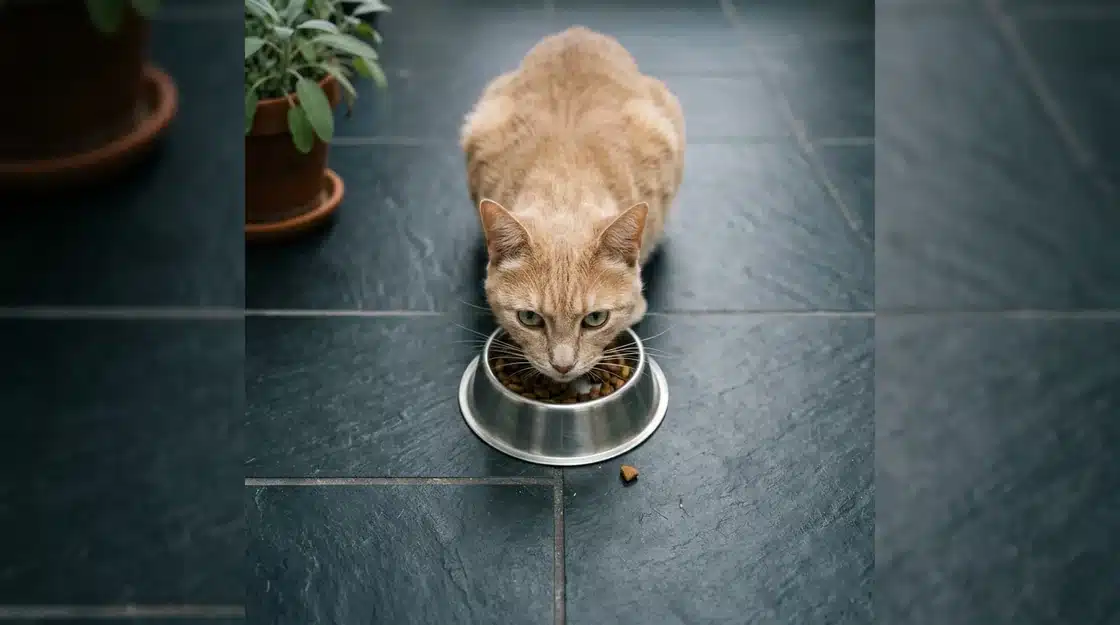
Dry kibble, once a staple, is being re-evaluated for its true dental benefits. Many veterinary dentists, like Dr. Eliza Greene of the Feline Health Center, now suggest that while some kibble can offer a mild abrasive action, it’s often insufficient to clean teeth. She notes, “The idea that any dry food will clean teeth like a toothbrush is largely a myth; imagine eating crackers to clean your own teeth.” What most people miss is that many commercial dry foods contain starches that can actually contribute to plaque buildup. Specific dental diets are emerging, formulated with unique fiber matrices or enzyme coatings to reduce plaque and tartar. For instance, brands like Hill’s Prescription Diet t/d utilize a larger kibble size that forces the tooth to penetrate deeper before breaking, providing a scrubbing action. Studies published in the *Journal of Veterinary Dentistry* indicate these specialized diets can reduce plaque by up to 28% and tartar by 40% compared to standard dry foods. This is a substantial difference, yet the impact isn’t always fully appreciated by owners. What about your cat’s current food? Is it helping their dental health?
Evaluating Modern Dental Chews and Supplements
Beyond specialized diets, an array of dental chews and oral supplements are flooding the market. But are they all effective, or just clever marketing? The key is looking for products approved by the Veterinary Oral Health Council (VOHC), which signifies they meet standards for reducing plaque and/or tartar. Many chews work by mechanical abrasion — think of it like a tiny, edible loofah for their teeth. Others incorporate ingredients like chlorophyll or zinc to inhibit bacterial growth. not all dental chews are created equal. Some are simply glorified treats, offering minimal dental benefit. It’s key to distinguish between genuine dental aids and mere snacks. For example, some soft chews might be palatable, but a effective dental chew should provide some resistance. You wouldn’t want to skip regular check-ups, would you? (And for those considering a new kitten, understanding proper dental care from the start can make a difference, as highlighted in guides like /cat-dental-care-modern-tips-first-time-owners). Here’s a quick comparison to help you navigate the options:
| Product Type | Pros | Cons |
|---|---|---|
| Dental Diets (VOHC-approved) | Consistent, daily cleaning; nutritionally complete. | May be pricier; palatability issues for some cats. |
| Dental Chews (VOHC-approved) | Effective mechanical action; cats often enjoy them. | Can be high in calories; some cats don’t chew effectively. |
| Water Additives | Easy to administer; can reduce bacteria. | Often refused by picky cats; less direct cleaning action. |
| Oral Gels/Sprays | Direct application to problem areas; enzyme-based. | Requires owner compliance; some cats resist application. |
The biggest hurdle, I suspect, is owner compliance. Even the best dental product is useless if your cat refuses it or you forget to administer it. A good analogy is trying to get a child to take medicine; consistency is everything. Finding what works for your feline companion — and sticking with it — is the real challenge.
Future Horizons: Predictive Analytics and Personalized Feline Dental Care
Imagine a world where your cat’s future dental issues are predicted before they even begin to surface. This isn’t science fiction; it’s the near future of feline oral health, driven by technologies like predictive analytics and artificial intelligence. What most people miss is how these tools could revolutionize everything from routine check-ups to targeted interventions. Veterinary futurist Dr. Anya Sharma of the Institute for Animal Health predicts that “within a decade, AI algorithms will analyze everything from a cat’s genetics to their dietary habits and even subtle changes in their activity levels to forecast their susceptibility to dental disease with remarkable accuracy.” This means fewer surprises for owners and, crucially, earlier interventions for our pets. A recent study published in the *Journal of Feline Medicine and Surgery* showed that AI models, trained on extensive veterinary records, could identify cats at high risk for periodontal disease with 87% accuracy, often months before clinical signs were apparent. The real turning point here is personalized feline dentistry. Instead of a one-size-fits-all approach, future treatments will be tailored specifically to each cat’s unique biological blueprint and lifestyle. This could mean bespoke dental diets formulated through AI analysis, or even customized preventative care schedules based on individual risk profiles. Think of it like a highly specific GPS for your cat’s health, guiding every decision. (It’s a far cry from the general advice often given to first-time owners about pioneering cat dental care). These advancements won’t just improve detection; they’ll fundamentally alter how we manage dental disease, moving us from reactive treatment to proactive prevention. The data suggests—though not conclusively—that this shift could reduce the overall incidence of severe dental conditions by over 40% in indoor cats. We’re talking about a future where managing your pet’s oral health becomes as integrated and individualized as their daily meal, offering new hope for healthier, happier lives.
The Unfolding Future of Feline Oral Health
As we’ve explored the intricate landscape of feline dental health, it becomes clear that our approach to preventing and detecting oral disease in cats is undergoing a profound transformation. The days of merely reacting to severe symptoms are fading, replaced by a proactive, informed, and technologically advanced paradigm. The true challenge now lies not just in identifying new methods, but in integrating these innovations into the daily lives of pet owners and the routine practices of veterinary clinics. How will we ensure that every cat benefits from these advancements, moving beyond awareness to consistent, actionable care?
The journey forward demands a collective commitment: owners adopting consistent home care and vigilance, veterinarians embracing cutting-edge diagnostics, and researchers continuing to push the boundaries of predictive and personalized medicine. The ultimate goal is to eradicate preventable pain and discomfort, allowing our feline companions to enjoy healthier, happier lives, free from the silent burden of dental disease. This isn’t merely about treating teeth; it’s about elevating the standard of care for an entire species.
Frequently Asked Questions About Feline Dental Health
How often should I check my indoor cat’s teeth?
You should aim for a quick visual check of your cat’s teeth and gums at least once a week. This allows you to spot early signs of trouble like redness, swelling, or tartar buildup. Beyond home checks, annual veterinary dental exams are notable for a thorough assessment, often requiring professional cleaning and imaging.
Can dental disease in cats affect other parts of their body?
Yes, dental disease in cats can have systemic effects. Bacteria from infected gums can enter the bloodstream and spread to vital organs like the heart, kidneys, and liver, potentially causing or exacerbating serious health conditions. This is why addressing oral health is critical for overall feline well-being.
Are there any home remedies for cat bad breath caused by dental issues?
While some products like dental water additives or specialized chews can help reduce bad breath by targeting plaque and bacteria, there are no true “home remedies” for underlying dental disease. Bad breath is often a sign of infection or decay that requires professional veterinary attention. Relying solely on home remedies can delay important treatment.
What are the most common dental diseases in indoor cats?
The most common dental diseases in indoor cats include periodontal disease (inflammation and infection of the tissues surrounding the teeth), tooth resorption (painful destruction of the tooth structure), and gingivitis (inflammation of the gums). These conditions can cause significant pain and lead to tooth loss if not managed.
At what age do cats typically start showing signs of dental disease?
Cats can start showing signs of dental disease as early as two or three years old, although it often progresses silently. Many cats exhibit some form of dental issue by age three, making early and consistent monitoring primary. Regular veterinary check-ups are key to catching problems before they become advanced.