Are you tired of your daily dog walk feeling more like a tug-of-war than a relaxing stroll? Do you dream of a world where your arm isn’t constantly being yanked, and your dog walks politely by your side? If so, you’re not alone. Leash pulling is one of the most common and frustrating behaviors dog owners face. But what if we told you that you could significantly improve your dog’s leash manners, reducing pulling by as much as 80%, in just 10 days? It sounds ambitious, but with the right techniques, consistency, and a little patience, it’s an entirely achievable goal. This comprehensive guide will equip you with the knowledge and actionable steps for truly effective leash training, transforming your walks into enjoyable experiences for both you and your canine companion.
Understanding Why Dogs Pull: The Root of the Problem
Before we dive into the solutions, it’s crucial to understand why dogs pull on the leash in the first place. It’s not out of malice or defiance; it’s usually rooted in natural canine instincts and learned behaviors:
- Instinct to Explore: Dogs experience the world through their noses. Every new scent is a fascinating story waiting to be uncovered, and they instinctually want to get to it.
- Desire to Get Somewhere Faster: If your dog is excited about getting to the park, seeing another dog, or reaching a specific tree, they’ll pull to get there quicker.
- Lack of Training: Simply put, they haven’t been taught that walking politely on a leash is the desired behavior.
- Learned Behavior: If pulling has ever gotten them what they wanted (e.g., reaching a sniff spot, greeting another dog, or just moving forward), they’ve learned that pulling works. Every time you allow them to pull and get to their destination, you’re inadvertently reinforcing the pulling behavior.
- Fear or Anxiety: Some dogs might pull to get away from something that scares them or makes them anxious, such as loud noises, unfamiliar objects, or other dogs.
- Over-excitement: A new environment, meeting new people, or encountering novel stimuli can cause a surge of excitement, leading to pulling.
- Inappropriate Equipment: Certain collars or harnesses can inadvertently encourage pulling or cause discomfort, making the walk unpleasant.
Identifying the primary reasons behind your dog’s pulling is the first step toward implementing an effective leash training strategy. Once you understand the “why,” you can better tailor your approach.
The Foundation of Effective Leash Training: Positive Reinforcement
Our 10-day plan relies heavily on positive reinforcement. This means rewarding desired behaviors (walking with a loose leash) and not punishing undesired behaviors (pulling). Punishment can create fear, anxiety, and an aversion to walks, damaging your bond with your dog. Positive reinforcement, on the other hand, builds trust, confidence, and a dog that genuinely enjoys walking with you.
Key Principles of Positive Reinforcement:
- Rewards: Use high-value treats (small, soft, and delicious), praise, and even quick games with a favorite toy as rewards.
- Timing: Rewards must be delivered immediately (within 1-3 seconds) after the desired behavior occurs, so your dog understands what they’re being rewarded for.
- Consistency: Everyone who walks the dog must use the same methods and be consistent with rewards.
- Patience: Training takes time. Some dogs learn faster than others. Don’t get discouraged if you’re not seeing immediate perfection.
Essential Tools for Effective Leash Training
Having the right equipment can make a significant difference in your effective leash training journey.
1. The Leash:
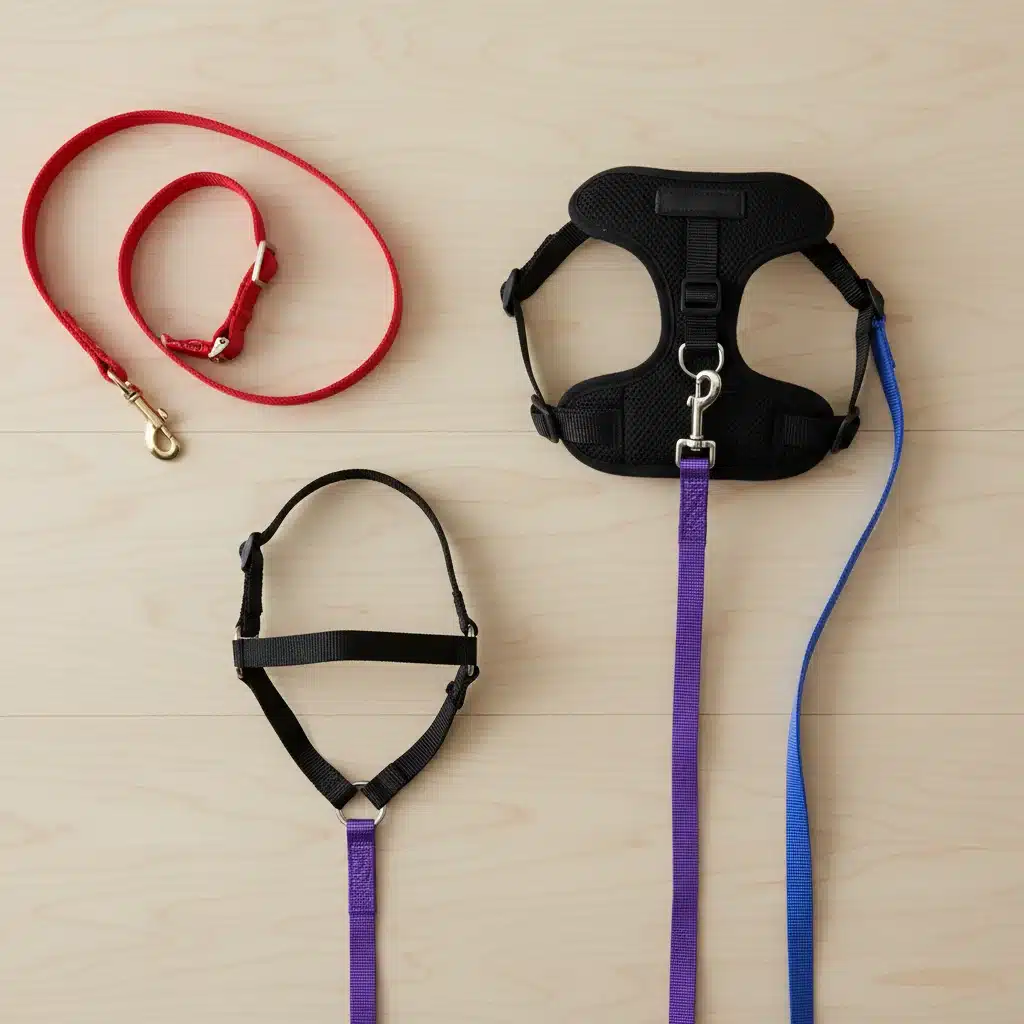
- Standard 6-Foot Leash: A fixed-length nylon or leather leash is ideal. Avoid retractable leashes, as they teach dogs that pulling extends their range and offer little control.
2. The Collar/Harness:
- Front-Clip Harness: This is often the most recommended tool for dogs that pull. When a dog pulls with a front-clip harness, it gently redirects their body back towards you, making it physically harder and less rewarding to pull. Brands like Easy Walk or Freedom Harness are popular choices.
- Head Halter (Gentle Leader or Halti): Similar to a horse’s halter, this gives you control over your dog’s head, and where the head goes, the body follows. It’s very effective but requires careful introduction and positive association to prevent your dog from disliking it.
- Flat Buckle Collar: While standard, it offers less control for strong pullers and can put pressure on the trachea. Best used for dogs who already have good leash manners.
- Avoid: Choke chains, prong collars, and shock collars. These are aversive tools that rely on pain or discomfort and can cause physical injury and behavioral problems. They do not promote effective leash training based on trust and positive association.
3. High-Value Treats:
- Small, soft, and incredibly tempting treats that your dog doesn’t usually get. Think cooked chicken, cheese, hot dogs, or commercial training treats.
4. A Treat Pouch:
- Keeps treats easily accessible for quick rewards.
The 10-Day Effective Leash Training Plan: Step-by-Step
This plan is designed to be cumulative, building on skills learned each day. Remember to keep training sessions short (5-10 minutes), frequent (several times a day), and always end on a positive note.
Days 1-2: Foundation – Teaching “Loose Leash Means Good Things”
Goal: Associate a loose leash with rewards and attention.
- Indoor Practice: Start in a low-distraction environment, like your home or backyard.
- Equip Up: Put on your chosen harness/collar and leash.
- The “L” Shape: Hold the leash so it forms a relaxed “L” shape between you and your dog. There should be no tension.
- Reward for Slack: As soon as your dog is beside you and the leash is loose, mark the behavior with a verbal cue like “Yes!” or a clicker, and immediately give a high-value treat.
- Take a Step: Take one step forward. If your dog walks with you and the leash remains loose, mark and reward.
- Change Direction: If your dog starts to pull, stop immediately. Become a “tree.” Don’t move until the leash slackens. The moment it slackens, even for a second, mark and reward, then continue walking. Alternatively, change direction. The sudden change will often get their attention and reset their focus. The moment they turn with you and the leash is loose, reward.
- Repeat: Practice this in short bursts throughout the day.
Days 3-4: Introducing Distractions – Short Outdoor Sessions
Goal: Generalize the loose-leash walking behavior to mild outdoor distractions.
- Short Outdoor Trips: Take your training outside to a quiet area, like your driveway or a very calm street.
- Continue Foundation: Apply the “stop when pulling, reward when loose” method.
- Increase Duration: Gradually increase the number of steps you take between rewards, as long as the leash remains loose. Don’t wait too long, especially at first.
- Engage Your Dog: Use your voice and body language to keep your dog’s attention. Call their name, praise them, and offer treats frequently for staying by your side with a loose leash.
- Practice “Watch Me”: If your dog gets distracted, use a “Watch Me” cue (holding a treat to your nose, saying “Watch Me,” and rewarding when they make eye contact). This helps them refocus on you.
Days 5-6: “Heel” or “Side” – Defining the Position
Goal: Teach your dog a specific position for loose-leash walking.
- Choose Your Side: Decide which side you want your dog to walk on (usually your left).
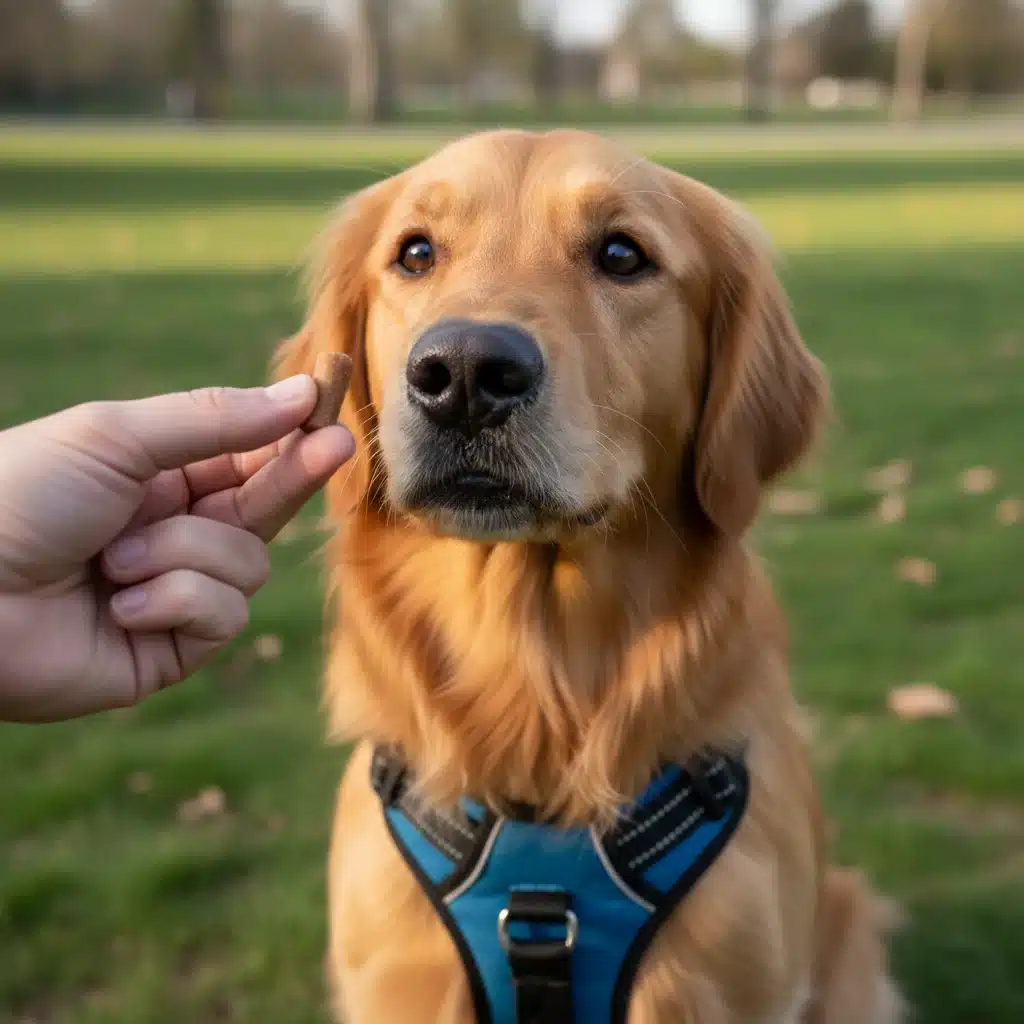
- Lure and Reward: With your dog on the chosen side, hold a treat at your hip, luring them into the correct “heel” position (shoulder aligned with your leg, loose leash).
- Add a Cue: As your dog is in position, say “Heel” or “Side” and reward.
- Take Steps with Lure: Take a few steps, keeping the treat at your hip, guiding them. Reward frequently for staying in position with a loose leash.
- Fading the Lure: Gradually reduce your reliance on the lure, using the hand motion without a treat, then just the verbal cue.
- Consistency is Key: Every time your dog is in the “heel” position with a loose leash, reward them.
Days 7-8: Increasing Distractions and Duration
Goal: Strengthen loose-leash walking in more varied environments and for longer periods.
- New Locations: Start practicing in areas with slightly more distractions, like a quiet park during off-peak hours or a less busy street.
- Maintain “Tree” or Direction Change: If your dog pulls, immediately stop or change direction. This teaches them that pulling gets them nowhere, while a loose leash allows them to move forward.
- Reward Intermittently: Once your dog is consistently walking nicely, start to vary your reward schedule. Instead of rewarding every few steps, reward every 5-10 steps, then every 15, and so on. This keeps them engaged and motivated.
- Practice Passing Distractions: If you see another dog or person, get your dog’s attention before they react. Use “Watch Me” and reward heavily for maintaining focus on you and a loose leash as the distraction passes.
Days 9-10: Real-World Application and Troubleshooting
Goal: Solidify training in everyday walking scenarios and address specific challenges.
- Regular Walks: Integrate your training into your regular walks. Every walk is a training opportunity.
- Anticipate and Prepare: If you know a high-distraction area is coming up, prepare by having treats ready and getting your dog’s attention before they pull.
- Troubleshooting – What to do if your dog still pulls:
- Too Many Distractions: Go back to a quieter environment.
- Treats Not High-Value Enough: Upgrade your treats.
- Inconsistent Training: Ensure everyone in the household is following the same rules.
- Equipment Check: Is your harness/collar fitted correctly and effective?
- Physical Needs: Is your dog getting enough mental and physical exercise outside of walks? A tired dog is often a well-behaved dog.
- Celebrate Small Wins: Every step with a loose leash is a success! Praise your dog enthusiastically.
Advanced Tips for Long-Term Success with Effective Leash Training
1. The “Premack Principle” (First-Then Rule):
Use highly desired activities as rewards. For example, “First, walk nicely to the park, then you can play fetch.” Or “First, loose leash past the fence, then you can sniff that interesting bush.”
2. Incorporate Mental Stimulation:
A mentally stimulated dog is less likely to be over-aroused and pull. Consider puzzle toys, sniff games, and obedience training at home.
3. Vary Your Routes:
While routine is good, introducing new routes keeps walks interesting and provides new training opportunities for handling novel distractions.
4. Practice “Auto-Checks”:
Teach your dog to check in with you automatically. This can be done by randomly stopping, changing direction, or speeding up/slowing down. When your dog adjusts to you and looks back, reward them.
5. Be a “Walking Treat Dispenser” (Initially):
Especially in the early stages, you want your dog to think that being near you is the most rewarding place to be. Consistently reward them for choosing to stay by your side.
6. Understand Your Dog’s Energy Levels:
Some dogs need a quick romp in the yard or a game of fetch before a structured walk to burn off initial energy. This can make them more receptive to training.
7. Seek Professional Help if Needed:
If you’re struggling, don’t hesitate to consult a certified professional dog trainer. They can offer personalized advice and guidance for your specific situation.
Common Leash Training Mistakes to Avoid
Even with the best intentions, it’s easy to fall into common traps that hinder effective leash training:
- Yanking the Leash: This can cause pain, damage the trachea, and teach your dog to anticipate corrections, leading to more pulling or reactivity.
- Inconsistency: One day you let them pull, the next you don’t. This confuses your dog and slows down progress significantly.
- Getting Frustrated: Dogs are highly attuned to our emotions. Your frustration can stress them out and make them less receptive to learning.
- Not Using High-Value Rewards: If your dog isn’t motivated by your treats, they won’t work as hard for them.
- Making Walks Too Long Too Soon: Start with short, successful training sessions. Gradually increase duration as your dog improves.
- Allowing On-Leash Greetings with Other Dogs: While well-intentioned, this often creates over-excitement and pulling towards other dogs. Practice polite passing first.
- Giving Up Too Soon: Leash training is a journey, not a destination. Some days will be better than others. Stick with it!
The Benefits of an Effectively Leash Trained Dog
The effort you put into effective leash training will pay dividends for years to come. Imagine:
- Enjoyable Walks: Walks become a pleasure, not a chore.
- Increased Safety: A dog that walks politely is less likely to dart into traffic or get into altercations.
- Stronger Bond: Training builds trust and communication between you and your dog.
- More Opportunities: A well-behaved dog can accompany you to more places, expanding your shared experiences.
- Reduced Stress: For both you and your dog, walks become a positive, enriching experience.
Conclusion: Your Journey to Effective Leash Training Starts Now
Achieving an 80% reduction in leash pulling in just 10 days is an ambitious but attainable goal when you commit to consistent, positive reinforcement-based training. Remember, every dog is an individual, and some may learn faster or slower than others. The key is patience, consistency, and celebrating every small victory. By understanding the “why” behind the pulling, utilizing the right tools, and following our step-by-step plan for effective leash training, you’ll be well on your way to enjoying harmonious, stress-free walks with your best friend. So grab your treats, choose your harness, and get ready to transform your dog walking experience!