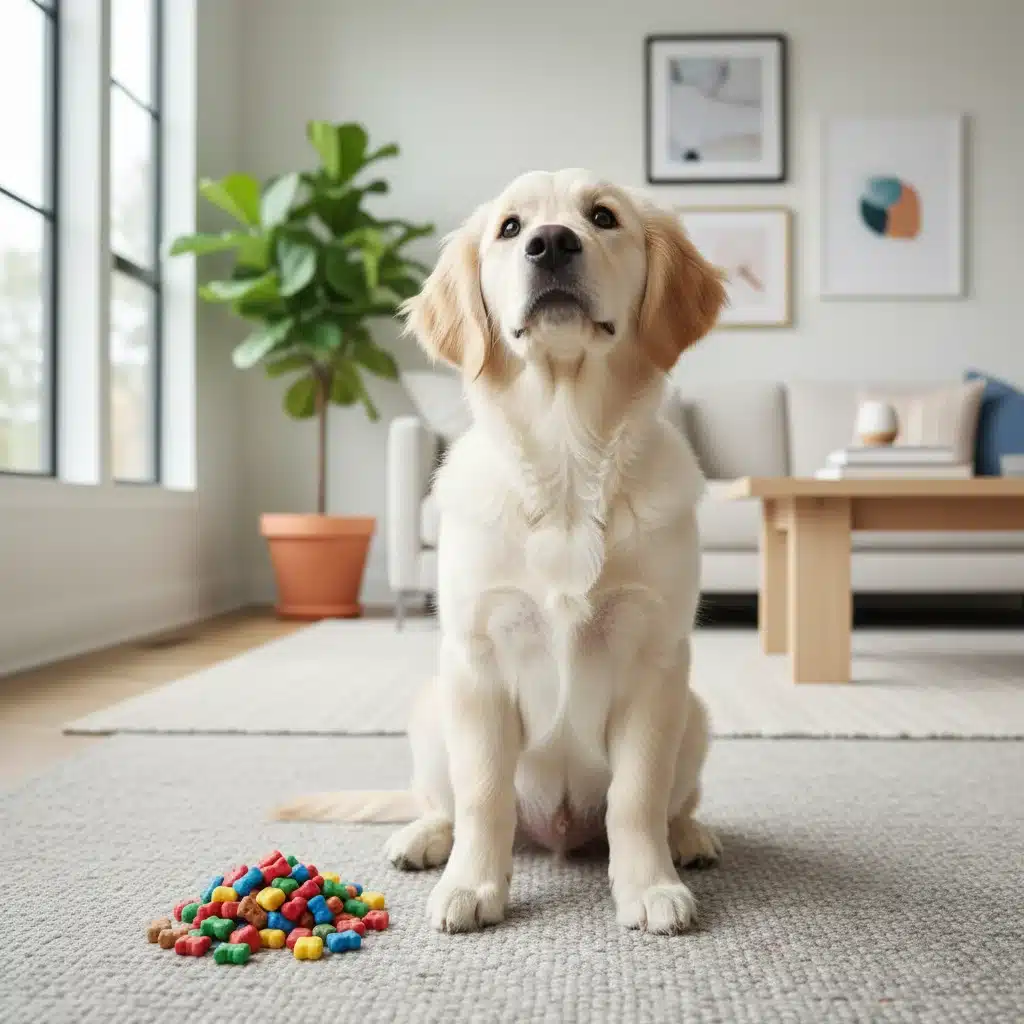
Welcome to the definitive guide for enhancing your dog’s obedience training in 2026! As dog owners, we all aspire to have well-behaved companions who understand and respond to our commands. Achieving this requires not only patience and consistency but also the right tools. In a market flooded with countless products, discerning which ones truly make a difference can be overwhelming. That’s why we’ve consulted with leading dog trainers, behaviorists, and veterinarians to bring you the top 5 dog obedience tools recommended by experts for the coming year.
This comprehensive article will delve deep into each tool, explaining its benefits, how to use it effectively, and why it has earned a spot on our prestigious list. Whether you’re a seasoned dog owner looking to refine your training techniques or a new puppy parent just starting your journey, these expert-vetted dog obedience tools will provide the foundation for successful and positive training experiences. Prepare to transform your relationship with your canine friend and foster a harmonious home environment.
The Importance of Quality Dog Obedience Tools
Before we dive into our top picks, let’s briefly discuss why investing in quality dog obedience tools is crucial. Effective training isn’t just about teaching your dog tricks; it’s about establishing clear communication, building trust, and ensuring their safety and well-being. The right tools can significantly aid in this process by:
- Enhancing Communication: Tools like clickers or specific types of leashes can clarify your intentions and make it easier for your dog to understand what you’re asking of them.
- Promoting Positive Reinforcement: Many modern training tools are designed to support positive reinforcement methods, which are proven to be more effective and humane than punishment-based techniques.
- Ensuring Safety: A reliable harness or a long line can prevent dangerous situations, such as your dog bolting into traffic or getting lost.
- Making Training More Enjoyable: When both you and your dog are comfortable and understand the process, training becomes a fun and rewarding experience for everyone involved.
- Addressing Specific Behavioral Challenges: Some tools are specifically designed to help manage common issues like pulling on the leash, jumping, or excessive barking.
Choosing the right dog obedience tools is not about quick fixes; it’s about providing the necessary support for consistent, long-term training success. Now, let’s unveil the tools that have garnered the highest praise from experts.
Top 1: The Clicker – A Foundation of Positive Reinforcement
Why Experts Love It
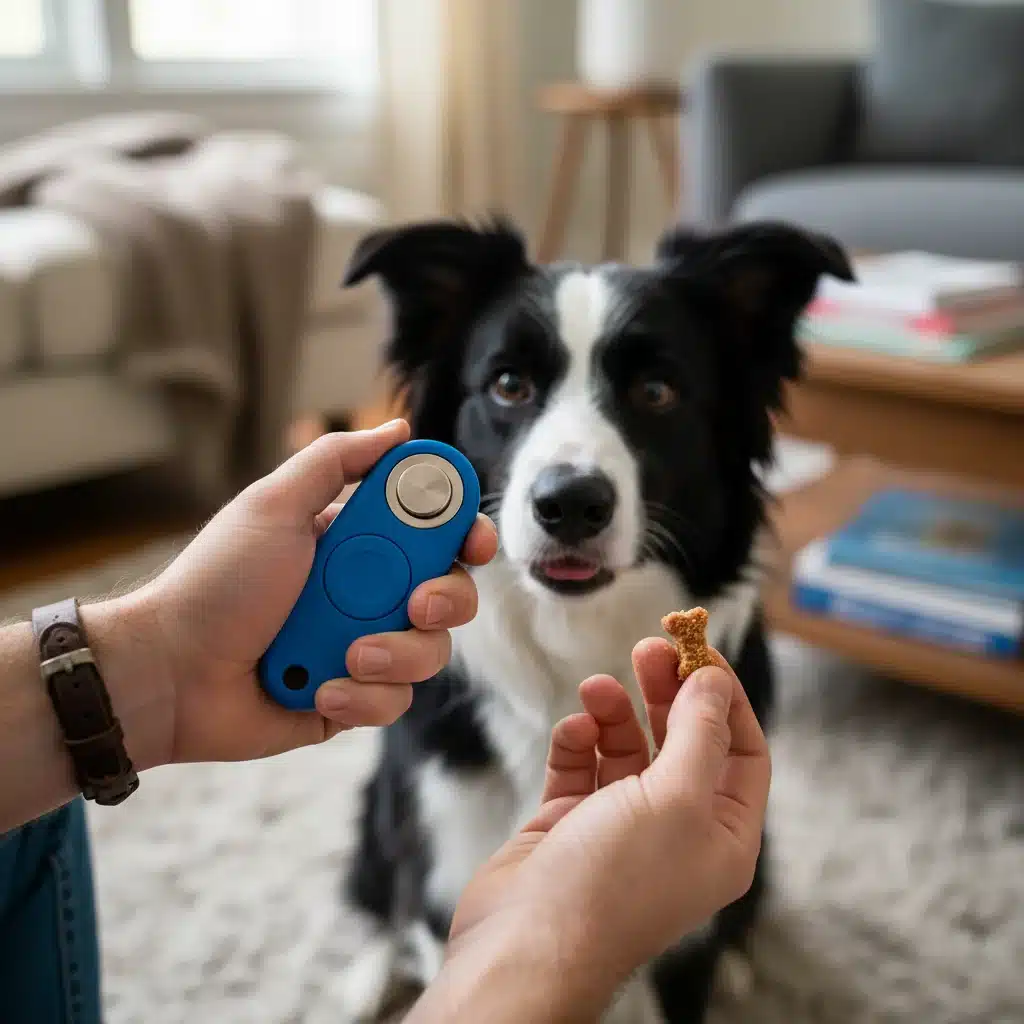
The clicker remains at the forefront of positive reinforcement training, and for good reason. It’s a small, inexpensive device that emits a distinct, consistent sound. This sound acts as a ‘marker’ to precisely pinpoint the exact moment your dog performs the desired behavior. Unlike verbal praise, which can vary in tone and timing, the clicker’s sound is always the same, making it an incredibly clear and unambiguous signal for your dog.
Experts universally recommend the clicker because it allows for unparalleled precision in marking behavior. This precision is vital for effective learning, especially when teaching complex behaviors or refining existing ones. It helps dogs understand exactly what they did right, speeding up the learning process and making training more efficient and enjoyable for both dog and owner. It’s an indispensable tool in any modern dog training arsenal, proving its worth year after year as one of the most effective dog obedience tools.
How to Use It Effectively
- Charge the Clicker: Before you start teaching specific behaviors, you need to ‘charge’ the clicker. This means associating the click with something positive. Click, then immediately give your dog a high-value treat. Repeat this 10-20 times in short sessions until your dog looks at you expectantly after each click.
- Mark the Behavior: Once charged, use the clicker to mark the exact moment your dog performs the desired action. For example, if you’re teaching ‘sit,’ as soon as your dog’s rear touches the ground, click, then immediately reward with a treat.
- Keep Sessions Short and Positive: Training sessions should be brief (5-10 minutes), especially when introducing new concepts. Always end on a positive note.
- Fade the Clicker (Eventually): The clicker is a teaching tool. Once your dog reliably performs a behavior on command, you can gradually phase out the clicker, relying more on verbal praise and occasional treats.
The clicker’s power lies in its simplicity and precision. It empowers you to communicate with your dog in a way that fosters understanding and builds a strong, positive relationship. Incorporating it into your training regimen for 2026 will undoubtedly yield impressive results.
Top 2: The Front-Clip Harness – A Game Changer for Leash Walking
Why Experts Love It
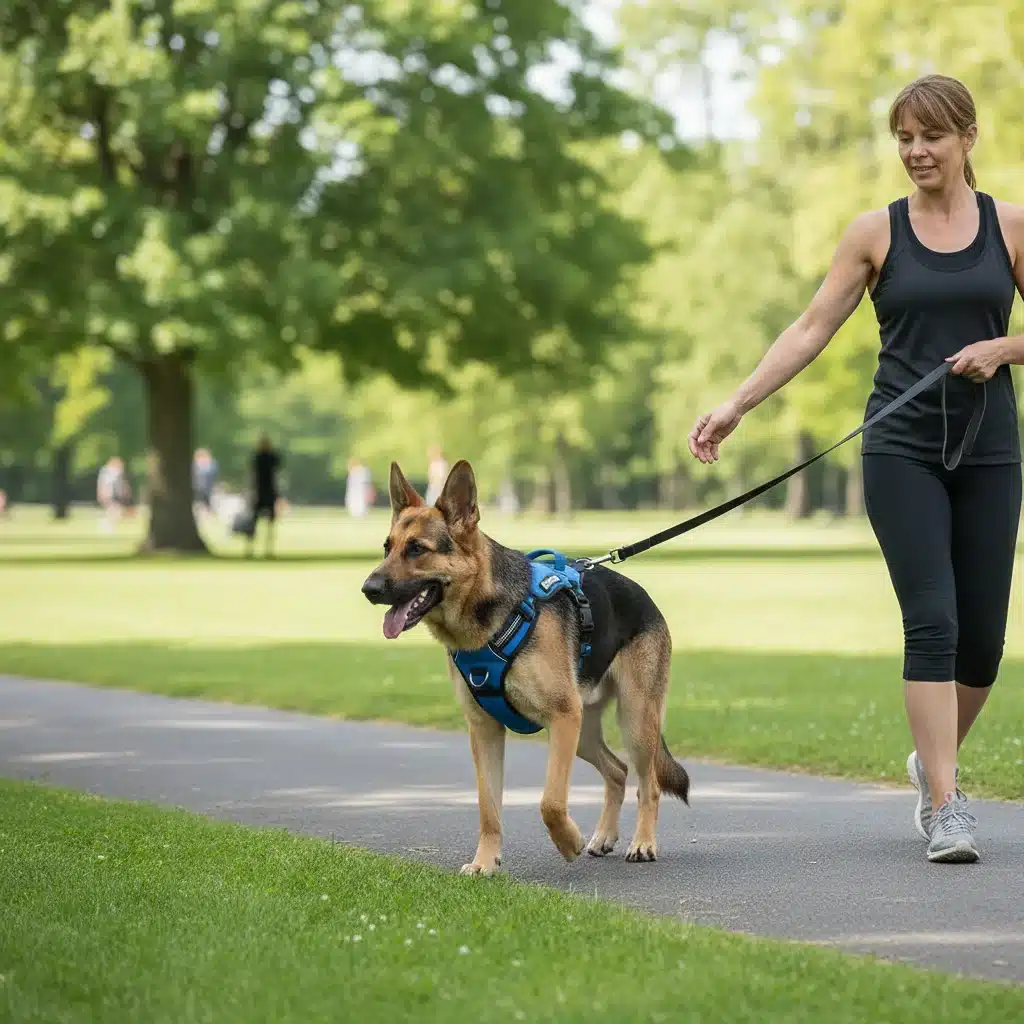
For many dog owners, a common challenge is a dog that pulls excessively on the leash. Traditional collars can put pressure on a dog’s trachea and neck, leading to discomfort and even injury. Retractable leashes, while seemingly offering freedom, can actually encourage pulling and offer little control. This is where the front-clip harness shines as one of the most recommended dog obedience tools.
Experts advocate for the front-clip harness because it effectively discourages pulling without causing pain or discomfort. Unlike back-clip harnesses that can inadvertently encourage pulling by allowing dogs to lean into the harness, a front-clip harness redirects your dog’s momentum. When your dog pulls, the leash attachment point on their chest gently guides them to the side, turning them towards you. This makes it physically uncomfortable and inefficient for them to pull forward, naturally teaching them to walk more politely on a loose leash. It’s a humane and highly effective solution for leash manners.
How to Use It Effectively
- Proper Fit is Key: Ensure the harness fits snugly but comfortably, allowing for two fingers to slide underneath. A poorly fitting harness can chafe or be ineffective.
- Attach Leash to the Front Ring: Always attach your leash to the D-ring located on the dog’s chest. This is the mechanism that provides the anti-pulling action.
- Practice in a Low-Distraction Environment: Start by practicing loose-leash walking in a quiet area. Reward your dog with treats and praise when they walk nicely beside you.
- Be Consistent: Every walk is a training opportunity. Consistently use the harness and reinforce good leash manners.
- Combine with Positive Reinforcement: Pair the harness with rewards for walking on a loose leash. When your dog walks without pulling, mark that behavior with a click (if using one) and a treat.
The front-clip harness is a vital tool for transforming chaotic walks into enjoyable strolls. It’s a simple change that can have a profound impact on your dog’s leash manners and your overall walking experience, solidifying its place among the best dog obedience tools.
Top 3: High-Value Training Treats – The Ultimate Motivator
Why Experts Love Them
While not a physical ‘tool’ in the traditional sense, high-value training treats are undeniably one of the most powerful dog obedience tools at your disposal. Experts emphasize that motivation is key to successful training, and for most dogs, food is a primary motivator. Not all treats are created equal, however. ‘High-value’ treats are those that your dog absolutely adores and would do almost anything for.
These treats are crucial for positive reinforcement. They serve as a powerful reward that solidifies desired behaviors. When your dog performs an action correctly and immediately receives a highly desirable treat, they are far more likely to repeat that behavior. This forms a positive association with training, making your dog eager to learn and participate. High-value treats are especially important when teaching new or challenging behaviors, or when training in distracting environments where your dog needs an extra incentive to focus.
How to Use Them Effectively
- Identify Your Dog’s Favorites: Experiment to find what your dog considers truly high-value. This could be small pieces of cooked chicken, cheese, hot dogs, or specialized soft training treats.
- Keep Them Small: Treats should be pea-sized or smaller, so your dog can consume them quickly without getting full or distracted.
- Use Them Strategically: Reserve high-value treats for new behaviors, difficult tasks, or when your dog performs exceptionally well. For easier, known behaviors, you can use lower-value treats or verbal praise.
- Vary Your Rewards: While high-value treats are powerful, don’t rely solely on them. Mix in verbal praise, petting, and play as rewards to keep your dog engaged and prevent them from becoming reliant on just one type of reward.
- Timing is Everything: Deliver the treat within 1-3 seconds of your dog performing the desired behavior. This immediate gratification helps your dog connect the action with the reward.
Mastering the art of using high-value treats can drastically accelerate your dog’s learning curve and make training a joyous activity for both of you. They are truly fundamental among effective dog obedience tools.
Top 4: The Long Line (15-30 Feet) – For Freedom and Safety
Why Experts Love It
The long line, often a 15-to-30-foot leash, is an often-underestimated but incredibly versatile tool. Experts recommend it for several critical aspects of dog obedience tools, particularly for teaching recall (coming when called) and for safely exercising dogs in unenclosed spaces.
It provides a safe way to give your dog more freedom to explore and run, without the risks associated with being completely off-leash. This is especially beneficial for dogs with unreliable recall or in areas where off-leash privileges are restricted. The long line allows you to practice recall commands from a distance, gradually increasing the challenge while maintaining control. It also enables your dog to sniff and investigate their surroundings more naturally, which is crucial for their mental stimulation and overall well-being. It bridges the gap between on-leash and off-leash training, offering a crucial safety net.
How to Use It Effectively
- Attach to a Harness: Always attach a long line to a well-fitting harness (preferably a front-clip harness) to prevent neck injury if your dog suddenly reaches the end of the line. Never attach it to a collar.
- Supervise Constantly: Even with a long line, constant supervision is essential to prevent tangles, injuries, or your dog getting into unsafe situations.
- Practice Recall: Let your dog wander to the end of the line. Call their name and the ‘come’ command. If they don’t respond, gently reel them in while continuing to praise them for moving towards you. Reward heavily when they reach you.
- Teach a ‘Release’ Word: Once your dog comes to you, use a release word like ‘free’ to let them know they can go back to exploring. This helps them understand the end of the ‘come’ command.
- Maintain a Light Grip: Avoid gripping the line tightly. Let it trail and only use it to guide or stop your dog when necessary.
The long line is an invaluable asset for building a reliable recall and providing your dog with much-needed freedom in a controlled manner. It’s a powerful addition to your collection of dog obedience tools, particularly for outdoor adventures.
Top 5: Interactive Puzzle Toys – Mental Stimulation and Enrichment
Why Experts Love Them
While often overlooked in discussions about traditional dog obedience tools, interactive puzzle toys are increasingly recognized by experts as essential for a well-rounded training and behavioral regimen. A mentally stimulated dog is often a well-behaved dog. Boredom and lack of mental engagement can lead to a host of behavioral issues, such as destructive chewing, excessive barking, and hyperactivity.
Puzzle toys challenge your dog to think, problem-solve, and work for their food or treats. This ‘brain work’ can be just as tiring and satisfying as physical exercise. Experts recommend them because they:
- Reduce Boredom: They provide an engaging activity that keeps your dog occupied and prevents destructive behaviors.
- Promote Calmness: The act of working on a puzzle can be calming and help dogs learn to self-soothe.
- Build Confidence: Successfully solving a puzzle can boost a dog’s confidence and problem-solving skills.
- Slow Down Eating: For dogs that gobble their food too quickly, puzzle feeders can slow down their eating, aiding digestion.
- Provide Enrichment: They offer a form of environmental enrichment that is crucial for a dog’s mental health.
Incorporating puzzle toys into your dog’s daily routine can significantly contribute to their overall happiness and good behavior.
How to Use Them Effectively
- Start Simple: Begin with easier puzzles to prevent frustration. As your dog gains confidence, you can introduce more challenging ones.
- Use High-Value Rewards: Fill the toys with treats or portions of your dog’s meal that they find highly motivating.
- Supervise Initially: Especially with new toys, supervise your dog to ensure they understand how to use it and aren’t trying to destroy it to get to the treats.
- Rotate Toys: Keep things interesting by rotating different puzzle toys. This prevents your dog from getting bored with a single toy.
- Integrate into Daily Routine: Use puzzle toys during times when your dog might otherwise be bored or destructive, such as when you leave for work or during quiet evenings.
Interactive puzzle toys are more than just entertainment; they are powerful dog obedience tools that address a dog’s cognitive needs, leading to a happier, healthier, and better-behaved companion.
Beyond the Tools: The Human Element in Dog Obedience
While the dog obedience tools discussed above are incredibly effective, it’s crucial to remember that they are merely aids. The most important ‘tool’ in any training regimen is you, the owner. Your consistency, patience, understanding, and positive attitude are paramount to your dog’s success.
- Consistency is Key: Ensure everyone in the household uses the same commands and training methods. Inconsistency can confuse your dog and hinder progress.
- Patience and Positive Reinforcement: Dogs learn at their own pace. Celebrate small victories and avoid punishment, which can damage your bond and create fear.
- Understanding Dog Behavior: Take the time to learn about canine body language and communication. This will help you better understand your dog’s needs and responses.
- Short, Frequent Sessions: Dogs have shorter attention spans than humans. Brief, fun training sessions are far more effective than long, arduous ones.
- Professional Guidance: Don’t hesitate to seek help from a certified professional dog trainer or behaviorist if you encounter persistent challenges. They can offer tailored advice and advanced techniques.
The synergy between effective dog obedience tools and a dedicated, knowledgeable owner is what truly creates a well-behaved and happy dog. These tools empower you to implement best practices, but your commitment makes the lasting difference.
Looking Ahead: The Future of Dog Obedience Tools in 2026
As we move further into 2026, the landscape of dog obedience tools continues to evolve. While the core principles of positive reinforcement remain steadfast, technology and innovative designs are constantly introducing new possibilities. We’re seeing:
- Smarter Wearables: GPS trackers and activity monitors are becoming more sophisticated, offering insights into a dog’s health and behavior that can inform training strategies.
- Advanced Remote Training Aids: While traditional e-collars remain controversial, new vibration-only or scent-based remote devices are emerging as gentler alternatives for long-distance communication in specific contexts.
- AI-Powered Puzzle Toys: Some toys are beginning to incorporate AI to adapt difficulty levels based on a dog’s performance, providing personalized mental challenges.
- Sustainable and Eco-Friendly Options: A growing emphasis on environmentally conscious pet products means more dog obedience tools are being made from recycled or biodegradable materials.
- Increased Personalization: More tools are being designed with specific breeds, sizes, and behavioral needs in mind, moving away from one-size-fits-all solutions.
Despite these advancements, the fundamental goal remains the same: to foster clear communication, mutual respect, and a strong bond between dogs and their owners. The tools we’ve highlighted today are tried-and-true, forming the bedrock of effective training regardless of technological shifts. They represent the best practices derived from years of experience and scientific understanding of canine behavior.
Conclusion: Empowering Your Training Journey with the Right Dog Obedience Tools
Embarking on or continuing your dog’s obedience training journey is a rewarding experience that strengthens your bond and integrates your canine companion more seamlessly into your life. By equipping yourself with the top 5 expert-recommended dog obedience tools for 2026 – the clicker, front-clip harness, high-value training treats, long line, and interactive puzzle toys – you are setting yourself up for unparalleled success.
Remember, these tools are designed to facilitate positive reinforcement, enhance communication, ensure safety, and provide vital mental stimulation. They are not substitutes for your active participation, consistency, and understanding of your dog’s individual needs. Used correctly and with patience, these dog obedience tools will empower you to overcome common training challenges, build confidence in your dog, and cultivate a harmonious relationship built on trust and mutual respect.
Invest in these essential aids, commit to consistent, positive training, and watch as your dog transforms into the well-behaved, joyful companion you’ve always envisioned. Happy training!