
In the evolving landscape of pet wellness, one area often overlooked, yet critically important, is pet dental care. Just like humans, our beloved animal companions are susceptible to a myriad of oral health issues, from plaque and tartar buildup to gingivitis, periodontal disease, and even painful tooth loss. These conditions don’t just cause discomfort; they can lead to more severe systemic health problems affecting the heart, kidneys, and liver. The good news? A proactive approach to daily pet dental care can make a monumental difference. We’re not just talking about minor improvements; we’re aiming for a significant 30% improvement in your pet’s oral health by 2026, setting a new standard for their well-being.
The statistics are startling: an estimated 80% of dogs and 70% of cats show signs of oral disease by the age of three. This widespread issue underscores the urgent need for consistent, effective pet dental care routines. Many pet owners might feel overwhelmed by the prospect of tackling their pet’s oral hygiene, but it doesn’t have to be a daunting task. With the right knowledge, tools, and commitment, integrating daily dental habits into your pet’s life can be seamless and rewarding.
This comprehensive guide will delve into five essential daily habits that will revolutionize your approach to pet dental care. We’ll explore practical tips, product recommendations, and expert insights to empower you to safeguard your pet’s smile and overall health. From the basics of brushing to advanced dietary considerations, prepare to transform your pet’s oral hygiene regimen and ensure they lead a happier, healthier, and pain-free life.
The Silent Threat: Understanding Pet Dental Disease
Before we dive into solutions, it’s crucial to understand the enemy: pet dental disease. Often silent and progressive, dental disease begins with plaque, a sticky film of bacteria, food particles, and saliva that constantly forms on your pet’s teeth. If not removed, plaque mineralizes into tartar (calculus), a hard, yellowish-brown deposit that adheres firmly to the tooth surface. Tartar cannot be brushed away and requires professional dental cleaning under anesthesia.
The Progression of Periodontal Disease
The accumulation of plaque and tartar irritates the gums, leading to gingivitis – an inflammation of the gums characterized by redness, swelling, and bleeding. If gingivitis is left untreated, it progresses to periodontal disease, a more severe condition that affects the supporting structures of the teeth. This involves the destruction of the periodontal ligament and alveolar bone, leading to loose teeth, abscesses, and ultimately, tooth loss. The bacteria associated with periodontal disease can also enter the bloodstream, traveling to distant organs and causing infections in the heart, kidneys, and liver, significantly impacting your pet’s quality of life and lifespan.
Recognizing the Signs
Early detection is key in managing pet dental care. While pets are masters at hiding pain, certain signs can indicate oral discomfort or disease:
- Bad breath (halitosis) – often the first and most noticeable sign.
- Red, swollen, or bleeding gums.
- Yellowish-brown tartar buildup on teeth.
- Difficulty eating, chewing on one side of the mouth, or dropping food.
- Excessive drooling.
- Pawing at the mouth or rubbing the face.
- Lethargy or changes in behavior.
- Weight loss due to inability to eat comfortably.
If you observe any of these symptoms, it’s imperative to consult your veterinarian for a thorough dental examination. Early intervention can prevent further progression and save your pet from unnecessary pain.
Habit 1: Daily Tooth Brushing – The Gold Standard of Pet Dental Care
When it comes to effective pet dental care, daily tooth brushing stands as the undisputed champion. Just as it is for humans, mechanical removal of plaque is the most effective way to prevent its buildup. Aim for once daily, or at least several times a week, to see significant improvements.
Getting Started with Brushing
Introducing brushing to your pet requires patience and a gentle approach. Start slow and make it a positive experience:
- Choose the Right Tools: Invest in a pet-specific toothbrush (finger brushes or brushes with angled heads work well) and animal-friendly toothpaste. Never use human toothpaste, as it contains fluoride and xylitol, which are toxic to pets. Pet toothpastes come in appealing flavors like poultry, beef, or peanut butter.
- Introduce Gradually: Begin by letting your pet lick a small amount of toothpaste off your finger. Once they accept the taste, gently rub a small amount on their gums and teeth with your finger.
- Introduce the Brush: Once comfortable with your finger, introduce the toothbrush with a tiny bit of toothpaste. Start by brushing only a few teeth for a very short duration, focusing on the outside surfaces of the upper teeth, as these typically accumulate the most plaque.
- Positive Reinforcement: Always follow brushing sessions with praise, treats, and affection. The goal is to associate brushing with a positive experience.
- Consistency is Key: Gradually increase the duration and number of teeth brushed. With consistent daily practice, most pets will tolerate and even enjoy the routine.
Daily brushing mechanically removes plaque before it hardens into tartar. This simple act is the single most impactful step you can take to significantly improve your pet’s oral health and prevent the onset of periodontal disease. It’s a cornerstone of effective pet dental care.

Habit 2: Incorporating Dental Chews and Toys for Oral Health
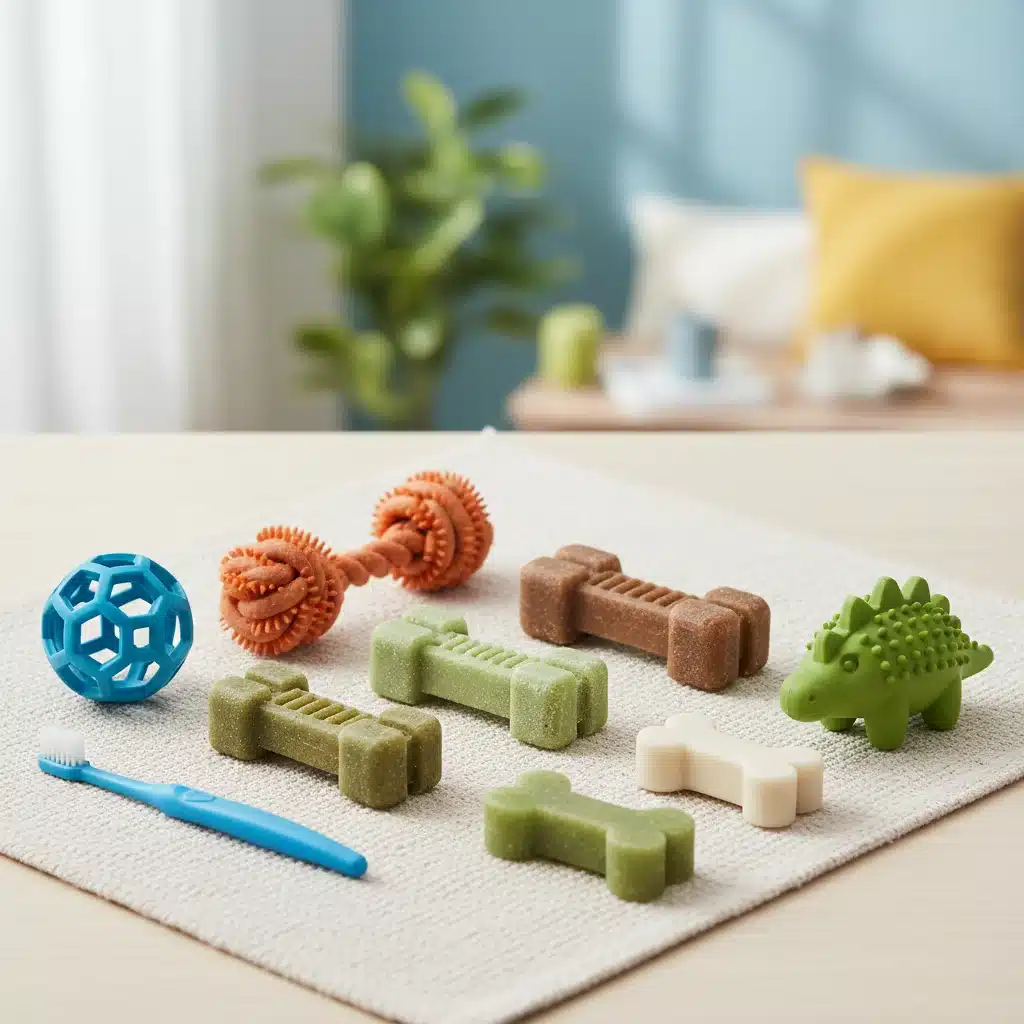
While brushing is paramount, supplementing with dental chews and toys can be an excellent addition to your daily pet dental care routine. These products are designed to help reduce plaque and tartar through mechanical abrasion as your pet chews.
Selecting Effective Dental Chews
Not all dental chews are created equal. Look for products that have been awarded the Veterinary Oral Health Council (VOHC) seal of acceptance. The VOHC seal indicates that a product meets specific standards for reducing plaque and/or tartar. These products have undergone rigorous testing and are proven to be effective.
- Texture and Durability: Choose chews that are appropriately sized for your pet and have a texture that allows for some abrasion without being too hard, which could fracture teeth.
- Enzymatic Properties: Some dental chews contain enzymes that help break down plaque.
- Frequency: Offer dental chews daily or every other day as part of your routine. Always supervise your pet to ensure safe chewing and prevent choking hazards.
Dental Toys
Certain toys are also designed with dental health in mind. Rubber toys with nubs or ridges can help clean teeth as your pet plays. Look for durable, non-toxic materials. While toys are beneficial, they are generally less effective than dedicated dental chews or brushing in terms of plaque removal, but they contribute to mechanical cleaning and oral stimulation.
Remember, dental chews and toys are a supplement, not a substitute, for regular brushing and professional veterinary cleanings. They are an excellent way to enhance your daily pet dental care efforts.
Habit 3: Specialized Dental Diets – Nutrition for a Healthy Mouth
The food your pet eats plays a significant role in their overall health, and their oral health is no exception. Specialized dental diets are formulated with specific ingredients and kibble designs to help clean teeth as your pet eats. This is a passive yet effective component of daily pet dental care.
How Dental Diets Work
- Kibble Design: Dental diets often feature larger, specially textured kibble that resists crumbling. This encourages the tooth to penetrate deeper into the kibble before it breaks, providing a scrubbing action on the tooth surface.
- Fiber Matrix: Some diets incorporate a unique fiber matrix that helps to gently abrade the tooth surface, reducing plaque buildup.
- Chemical Agents: Certain dental diets may contain ingredients like polyphosphates, which bind to calcium in the saliva, preventing plaque from mineralizing into tartar.
Consult Your Veterinarian
Before switching your pet to a specialized dental diet, it’s essential to consult your veterinarian. They can recommend a diet that is appropriate for your pet’s age, breed, and any existing health conditions. Like dental chews, look for diets with the VOHC seal of acceptance for proven efficacy. Integrating a dental diet can significantly contribute to your pet dental care strategy, offering continuous cleaning throughout the day.
Habit 4: Oral Rinses, Water Additives, and Wipes – Supplemental Dental Solutions
For pets that are particularly resistant to brushing or as an added layer of protection, oral rinses, water additives, and dental wipes can be valuable tools in your daily pet dental care arsenal. These products help to reduce bacteria and freshen breath, though they are generally less effective than mechanical brushing.
Oral Rinses and Gels
Antiseptic oral rinses and gels contain ingredients like chlorhexidine, which helps to kill bacteria in the mouth and reduce plaque formation. These can be applied directly to the gums or teeth. Gels often adhere better and provide longer contact time with the oral tissues. They are particularly useful for pets with gingivitis or post-dental procedure care.
Water Additives
Dental water additives are formulations that you add to your pet’s drinking water. They typically contain ingredients that help to inhibit bacterial growth, reduce plaque, and freshen breath. This is a convenient, low-effort way to provide some level of daily dental care, especially for pets that reject other methods. Ensure the product is tasteless and odorless to encourage your pet to continue drinking water normally. Again, look for VOHC-accepted products for reliability.
Dental Wipes
Dental wipes are soft cloths pre-moistened with dental cleaning solutions. They can be wrapped around your finger and used to gently wipe the surfaces of your pet’s teeth and gums. While not as thorough as brushing with a toothbrush, they can be a good starting point for pets new to oral care or for quick touch-ups. They are especially beneficial for cleaning the outer surfaces of teeth.
These supplemental products, while not replacements for brushing or professional cleanings, offer additional support for maintaining good oral hygiene and are an important part of a holistic pet dental care plan.
Habit 5: Regular Veterinary Dental Check-ups and Professional Cleanings
Even with the most diligent daily pet dental care routine at home, regular veterinary dental check-ups and professional cleanings are indispensable. Your veterinarian can assess your pet’s overall oral health, identify any underlying issues, and perform thorough cleanings that cannot be achieved at home.
The Importance of Annual Exams
During your pet’s annual wellness exam, your veterinarian will conduct a preliminary oral examination. They will look for signs of plaque, tartar, gingivitis, broken teeth, oral masses, and other abnormalities. This visual inspection helps determine if your pet needs a professional dental cleaning.
Professional Dental Cleanings (Under Anesthesia)
A professional dental cleaning, often referred to as a COHAT (Comprehensive Oral Health Assessment and Treatment), is performed under general anesthesia. Anesthesia is essential for several reasons:
- Thorough Examination: Allows the veterinarian to fully examine every tooth surface, including below the gum line, where much of the dental disease resides.
- Scaling and Polishing: Specialized ultrasonic scalers are used to remove plaque and tartar from above and below the gum line. The teeth are then polished to smooth the enamel, making it harder for plaque to adhere.
- Dental X-rays: X-rays are crucial for evaluating the health of the tooth roots and bone structures beneath the gum line, identifying issues like abscesses, bone loss, or unerupted teeth that are not visible during a conscious exam.
- Extractions: If severely diseased or damaged teeth are found, they can be extracted to alleviate pain and prevent further infection.
- Pain Management: Anesthesia ensures a pain-free procedure and allows for necessary pain relief post-operatively.
The frequency of professional cleanings depends on your pet’s individual needs, breed predisposition, and the effectiveness of your home pet dental care routine. Some pets may need annual cleanings, while others with excellent home care might go longer. Your veterinarian will guide you on the best schedule for your pet.
Beyond the Five Habits: Holistic Pet Dental Care
While the five daily habits form the bedrock of excellent pet dental care, a holistic approach considers other factors that can influence your pet’s oral health.
Genetics and Breed Predisposition
Some breeds are more predisposed to dental issues than others. Smaller breeds, for instance, often have crowded teeth, which makes them more prone to plaque and tartar buildup. Understanding your pet’s genetic predispositions can help you be even more diligent with preventive care.
Early Intervention and Puppy/Kitten Care
Starting dental care early in a pet’s life is crucial. Introducing tooth brushing and mouth handling during puppyhood or kittenhood makes it much easier for them to accept these routines as adults. Early exposure to positive dental experiences sets the stage for a lifetime of good oral health habits.
Monitoring and Observation
Regularly observing your pet’s mouth at home, even if you’re not brushing, can help you catch early signs of problems. Look for changes in gum color, unusual growths, or chipped teeth. Prompt attention to these observations can prevent minor issues from escalating into major problems.
Patience and Positive Reinforcement
Implementing any new routine with a pet requires patience. Never force your pet into dental care activities. Use positive reinforcement, treats, and praise to make the experience enjoyable. If your pet becomes anxious or aggressive, take a break and try again later, or consult with your veterinarian or a professional trainer for guidance.
The Future of Pet Dental Care: Aiming for 30% Improvement by 2026
Our goal of achieving a 30% improvement in your pet’s oral health by 2026 is ambitious but entirely attainable with consistent application of these five daily habits. This improvement isn’t just a number; it translates to:
- Significantly reduced incidence of periodontal disease.
- Fewer painful dental extractions.
- Fresher breath and a more pleasant interaction with your pet.
- Improved overall health and potentially a longer lifespan.
- Reduced veterinary costs associated with advanced dental treatments.
The advancements in veterinary dentistry, coupled with a greater understanding of preventive care, mean that pet owners have more tools and knowledge at their disposal than ever before. Embracing these daily habits is an investment in your pet’s long-term health and happiness. It’s a commitment to providing them with the best possible quality of life, free from the pain and complications of dental disease.
Conclusion: A Lifetime of Healthy Smiles
Optimal pet dental care is not a luxury; it’s a fundamental aspect of responsible pet ownership. By integrating daily tooth brushing, utilizing VOHC-accepted dental chews and toys, feeding specialized dental diets, employing oral rinses or water additives, and ensuring regular professional veterinary check-ups and cleanings, you are providing your pet with the comprehensive oral hygiene they deserve.
Making these five habits a consistent part of your pet’s routine will not only lead to a dramatic improvement in their oral health by 2026 but will also contribute to their overall vitality and well-being for years to come. A healthy mouth means a happy pet, free from pain and discomfort, allowing them to enjoy their food, play, and cuddle without inhibition. Start today, be consistent, and watch your furry friend flash a healthier, happier smile!