Updated 2026: 7 Essential Pet First Aid Kit Items Every U.S. Home Needs for Emergencies
Updated 2026: 7 Essential Pet First Aid Kit Items Every U.S. Home Needs for Emergencies
As responsible pet parents, we strive to provide our furry, feathered, or scaled companions with the best possible care. This commitment extends beyond daily walks and nutritious meals to encompass preparedness for unforeseen circumstances. Just as we have a first aid kit for ourselves, a well-stocked pet first aid kit is an absolute necessity for every U.S. home. In 2026, with evolving veterinary practices and readily available specialized products, ensuring your kit is up-to-date is more important than ever.
Emergencies can strike at any moment, from minor cuts and scrapes to more serious injuries or sudden illnesses. Having the right tools and knowledge can make a significant difference in your pet’s recovery and even save their life. This comprehensive guide will walk you through the seven essential items you need to include in your pet first aid kit, along with crucial advice on how to use them effectively and when to seek professional veterinary help.
Think of your pet first aid kit as a bridge between the moment of injury or illness and professional veterinary care. It’s not meant to replace a trip to the vet, but rather to stabilize your pet, alleviate their discomfort, and prevent further complications until expert help can be administered. Being prepared means quicker response times, reduced stress for both you and your pet, and ultimately, better outcomes.
Let’s dive into the indispensable components that will form the backbone of your robust and ready-for-anything pet first aid kit for 2026.
1. Essential Wound Care Supplies: Cleaning and Bandaging
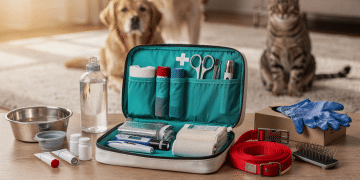
Cuts, scrapes, and minor abrasions are common occurrences for active pets. Having the right supplies to clean and cover these wounds is paramount to preventing infection and promoting healing. Your pet first aid kit should include:
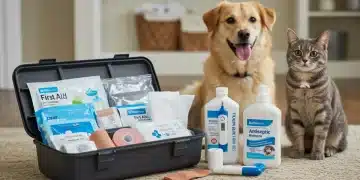
- Antiseptic Wipes or Solution: Products like povidone-iodine (diluted) or chlorhexidine solution are excellent for cleaning wounds without stinging. Avoid alcohol or hydrogen peroxide, as they can damage delicate tissues and delay healing. These are crucial for any initial wound management in your pet first aid kit.
- Sterile Saline Solution: Ideal for flushing out dirt, debris, or irritants from eyes or wounds. Make sure it’s a sterile, ophthalmic-grade solution if intended for eyes.
- Non-Stick Gauze Pads: These are essential for covering wounds without sticking to them, which can be painful and re-injure the area when removed. Keep various sizes in your pet first aid kit.
- Self-Adhesive Bandage Wrap (Vet Wrap): This stretchy, breathable material sticks to itself but not to fur, making it perfect for securing gauze pads and providing light compression. It’s a cornerstone of any effective pet first aid kit.
- Medical Adhesive Tape: For securing bandages that don’t self-adhere, especially on areas with less fur.
- Blunt-Tipped Scissors: Safe for cutting bandages and tape without accidentally injuring your pet.
How to Use:
For minor wounds, gently clean the area with antiseptic wipes or solution. Flush with saline if necessary. Apply a non-stick gauze pad and secure it with self-adhesive wrap or medical tape. Ensure the bandage is snug but not too tight, which could cut off circulation. Check for swelling or discomfort. Always contact your veterinarian for deeper cuts, excessive bleeding, or wounds that don’t seem to be healing properly.
2. Pain Relief and Anti-Inflammatory Medications (Vet-Approved)
Just like humans, pets can experience pain and inflammation from injuries or certain conditions. However, giving human medications can be extremely dangerous. This is where your veterinarian’s guidance is critical for your pet first aid kit.
- Vet-Prescribed Pain Reliever/Anti-inflammatory: Discuss with your vet which pain medication, if any, is appropriate to keep on hand for your specific pet and their potential needs. Never administer human pain relievers like ibuprofen or acetaminophen, as they are toxic to pets. Always have the correct dosage and administration instructions readily available.
Important Considerations:
This section is perhaps the most critical for veterinary consultation within your pet first aid kit. Your vet can prescribe appropriate pain relief suitable for your pet’s species, size, and existing health conditions. They can also advise on anti-inflammatory medications that can help reduce swelling and discomfort from sprains or minor injuries. Always follow your vet’s instructions precisely regarding dosage and frequency. Misuse of these medications can lead to severe side effects or even be fatal.
Having a vet-approved pain reliever in your pet first aid kit means you can provide immediate comfort to your pet in an emergency, especially if you’re hours away from a veterinary clinic. This proactive step can significantly improve your pet’s well-being during a stressful situation.
3. Tools for Safe Handling and Examination
When a pet is injured or scared, they may react unpredictably. Having tools to safely handle and examine them can protect both you and your pet. These items are indispensable additions to your pet first aid kit:
- Muzzle: Even the gentlest pet can bite when in pain or fear. A muzzle (basket or cloth, appropriate for your pet’s size) can prevent bites while you administer first aid or transport them. Practice fitting it beforehand so your pet is somewhat accustomed to it. This is a non-negotiable item for any serious pet first aid kit.
- Latex-Free Gloves: Protect yourself from potential infections and keep wounds clean.
- Pet Thermometer (Rectal or Ear): A digital thermometer specifically designed for pets can help you monitor their temperature, which is a vital sign. Normal temperatures vary by species, so know your pet’s baseline.
- Tick Remover Tool: Specialized tools make removing ticks safer and more effective, minimizing the risk of leaving behind mouthparts or spreading disease.
- Tweezers: Fine-tipped tweezers are useful for removing splinters, thorns, or other small foreign objects.
Safety First:
Using a muzzle can be stressful for pets, so introduce it calmly and gently. Never leave a muzzled pet unsupervised, especially if they are in distress. When using a thermometer, ensure you have assistance if your pet is uncooperative. Knowing how to safely handle your pet during an emergency is just as important as the supplies themselves within your pet first aid kit.
4. Emergency Contact Information and Records
In a crisis, clear communication and access to vital information are paramount. This often-overlooked section of your pet first aid kit can save precious time:
- Veterinarian’s Contact Information: Include your primary vet’s phone number, address, and hours.
- Emergency Vet Clinic Contact Information: Have the contact details for the nearest 24-hour emergency veterinary hospital.
- Poison Control Hotline: Keep the ASPCA Animal Poison Control Center (1-888-426-4435) or Pet Poison Helpline (1-855-764-7661) numbers readily accessible. Note that consultation fees may apply.
- Pet’s Medical Records: A condensed version including vaccination history, known allergies, current medications, and any chronic conditions. This can be a physical copy or a digital copy accessible via a QR code in your pet first aid kit.
- Photo of Your Pet: In case your pet gets lost during an emergency evacuation.
Organization is Key:
Keep this information in a waterproof bag or laminated within your pet first aid kit. In a stressful situation, you don’t want to be scrambling for phone numbers or health details. This organizational step ensures that your pet first aid kit is truly comprehensive.
5. Supportive Care and Comfort Items
Beyond immediate medical intervention, providing comfort and supportive care can significantly aid your pet’s recovery and reduce stress during an emergency. These items enhance the holistic approach of your pet first aid kit:
- Emergency Blanket: A lightweight, reflective blanket can help maintain your pet’s body temperature, especially if they are in shock or injured.
- Small Towels or Washcloths: Useful for cleaning, applying pressure, or providing a soft surface.
- Pet-Safe Saline Eye Wash: For flushing irritants from eyes. Ensure it’s specifically formulated for pets or a sterile human saline solution without added medications.
- Oral Syringe or Dropper: For administering liquid medications or water to a dehydrated or uncooperative pet. This is a simple but effective tool for your pet first aid kit.
- Small Flashlight with Extra Batteries: For examining wounds in low light conditions or during power outages.
Creating a Calming Environment:
During an emergency, creating as calm an environment as possible is crucial. These comfort items, though seemingly minor, contribute significantly to reducing your pet’s anxiety and making them more receptive to care. A warm blanket and a gentle approach can make a world of difference when utilizing your pet first aid kit.
6. Gastrointestinal Upset Relief (Vet-Approved)
Digestive issues like vomiting or diarrhea are common pet ailments. While severe or persistent symptoms always warrant a vet visit, having some basic, vet-approved relief on hand can be beneficial. Always consult your vet before adding these to your pet first aid kit.
- Probiotic Supplement: A pet-specific probiotic can help restore gut flora after a mild upset or stress.
- Plain Canned Pumpkin (not pie filling): A small amount can help with both diarrhea and constipation due to its fiber content.
- Electrolyte Solution for Pets: To help prevent dehydration in cases of vomiting or diarrhea.
When to Worry:
While these items in your pet first aid kit can offer temporary relief, it’s vital to recognize when a gastrointestinal issue is serious. Persistent vomiting, bloody diarrhea, lethargy, or loss of appetite require immediate veterinary attention. These could be signs of a more severe underlying condition, and your pet first aid kit is only for initial, minor symptom management.
7. Pet Carrier or Evacuation Bag
While not strictly a ‘first aid item’ in the traditional sense, a sturdy and easily accessible pet carrier or an evacuation bag is an absolutely critical component of overall pet emergency preparedness, especially in 2026 where natural disasters and unexpected events can occur with little warning. It complements your pet first aid kit by ensuring safe transport.
- Appropriate Sized Carrier: For smaller pets, a hard-sided or soft-sided carrier that is comfortable and secure.
- Evacuation Bag: For larger pets, or in situations requiring quick movement, a dedicated bag containing essentials for 3-5 days (food, water, bowls, leash, waste bags, a favorite toy/blanket, and a copy of your pet’s medical records). This bag should be separate from your main pet first aid kit but readily accessible alongside it.
Practice and Prepare:
Acclimate your pet to their carrier or evacuation bag well in advance. Make it a positive experience with treats and praise. In an emergency, a pet that is comfortable entering their carrier will be much easier to transport, reducing stress for everyone involved. Ensure your carrier is clearly labeled with your pet’s name and your contact information. This foresight makes your overall emergency response, including the use of your pet first aid kit, far more effective.
Maintaining Your 2026 Pet First Aid Kit
A pet first aid kit is only effective if it’s well-maintained and up-to-date. Here’s a checklist for ongoing maintenance:
- Regular Checks: At least twice a year, review the contents of your kit. Check expiration dates on medications and sterile supplies. Replace anything that is expired or has been used.
- Restock Used Items: If you’ve used any item, replace it immediately. Don’t wait until the next emergency.
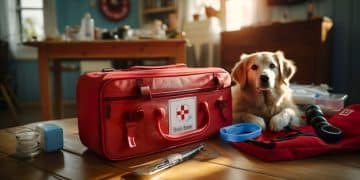
- Keep it Accessible: Store your pet first aid kit in a consistent, easy-to-reach location that everyone in the household knows about. Consider having a smaller, portable version for travel or car trips.
- Educate Yourself: Take a pet first aid class offered by organizations like the American Red Cross or local humane societies. Knowing how to perform CPR or control bleeding can be invaluable.
- Review with Your Vet: During annual check-ups, discuss your pet first aid kit with your veterinarian. They can offer personalized recommendations based on your pet’s specific health needs and any new advancements in pet emergency care for 2026.
When to Seek Professional Veterinary Care
It cannot be stressed enough: a pet first aid kit is for initial, temporary care. It is not a substitute for professional veterinary attention. Always contact your veterinarian or an emergency vet clinic immediately if your pet:
- Experiences severe bleeding that you cannot control.
- Has difficulty breathing or is choking.
- Shows signs of poisoning (vomiting, seizures, disorientation).
- Has a suspected broken bone or severe lameness.
- Is unconscious or unresponsive.
- Is experiencing prolonged vomiting or diarrhea, especially with blood.
- Has a deep puncture wound or bite wound.
- Is showing signs of shock (pale gums, rapid heart rate, weakness).
- Has been hit by a car or suffered a significant trauma.
- Any situation where you are unsure or concerned about your pet’s condition.
When in doubt, always err on the side of caution and call your vet. Describe your pet’s symptoms and the first aid you’ve administered. They can guide you on the next steps and advise whether immediate transport to the clinic is necessary.
Conclusion
Building and maintaining a comprehensive pet first aid kit is a fundamental aspect of responsible pet ownership in 2026. By assembling these seven essential categories of items, you are not just preparing for the worst-case scenario; you are investing in your pet’s safety, comfort, and ultimately, their longevity. Every U.S. home with a beloved animal deserves the peace of mind that comes from knowing they are ready to act swiftly and effectively during an emergency.
Remember, preparedness is not about predicting every possible mishap, but about equipping yourself with the tools and knowledge to respond confidently and competently when your pet needs you most. Take the time today to assemble or update your pet first aid kit, and give your cherished companion the gift of readiness. Your pet depends on you, and being prepared is the highest form of love.