As pet parents, our furry, feathered, or scaled companions are more than just animals; they are cherished members of our families. Their safety and well-being are paramount, and ensuring they live in a secure environment is a fundamental responsibility. While our homes often feel like safe havens, they can harbor numerous hidden dangers for our curious and often mischievous pets. This comprehensive guide is designed to help you transform your living space into a truly pet-safe home by April 2026, focusing on identifying and eliminating 10 common household dangers.
The journey to a pet-safe home isn’t just about reacting to emergencies; it’s about proactive prevention. It involves a keen eye, a bit of planning, and a commitment to understanding your pet’s natural instincts. From the tempting allure of toxic plants to the silent threat of unsecured medications, we will delve into each potential hazard, providing actionable advice and practical solutions to safeguard your beloved animals. By the end of this article, you’ll have a clear roadmap to create an environment where your pets can thrive, explore, and simply be themselves without constant supervision or the risk of accidental harm. Let’s embark on this essential mission to make every corner of your house a pet-safe zone.
Understanding the Pet-Safe Home Imperative: Why Proactive Safety Matters
Creating a pet-safe home is not merely a suggestion; it’s an imperative for responsible pet ownership. Our pets, regardless of their species or breed, possess an innate curiosity that often leads them into situations we, as humans, might deem dangerous. They explore with their mouths, paws, and noses, tasting, chewing, and sniffing everything in their path. This natural behavior, while endearing, can also expose them to significant risks if their environment isn’t properly secured.
The consequences of an unsafe home can range from mild digestive upset to life-threatening emergencies. Ingesting toxic substances, getting tangled in electrical cords, or falling from heights are just a few scenarios that can lead to costly veterinary bills, emotional distress, and, in the worst cases, irreparable harm or loss. By taking proactive steps to identify and eliminate potential hazards, you are not only protecting your pet’s physical health but also fostering a sense of peace of mind for yourself.
Moreover, the concept of a pet-safe home extends beyond immediate physical dangers. It encompasses creating an environment that supports their mental well-being, reduces stress, and allows them to express natural behaviors safely. This holistic approach to safety is what truly defines a responsible and loving pet parent. As we approach April 2026, let’s commit to making our homes bastions of safety and comfort for our animal companions.
Danger 1: Toxic Plants – The Green Threat in Your Pet-Safe Home
Many common houseplants and garden varieties, while beautiful to us, can be highly toxic to pets if ingested. From lilies that are deadly to cats to sago palms that can cause severe liver failure in dogs, the list of hazardous flora is extensive. Even seemingly innocuous plants like aloe vera or philodendrons can cause digestive upset or irritation.
How to Eliminate This Danger:
- Research Before You Buy: Before bringing any new plant into your home or garden, always verify its toxicity to pets. Resources like the ASPCA’s toxic and non-toxic plant list are invaluable.
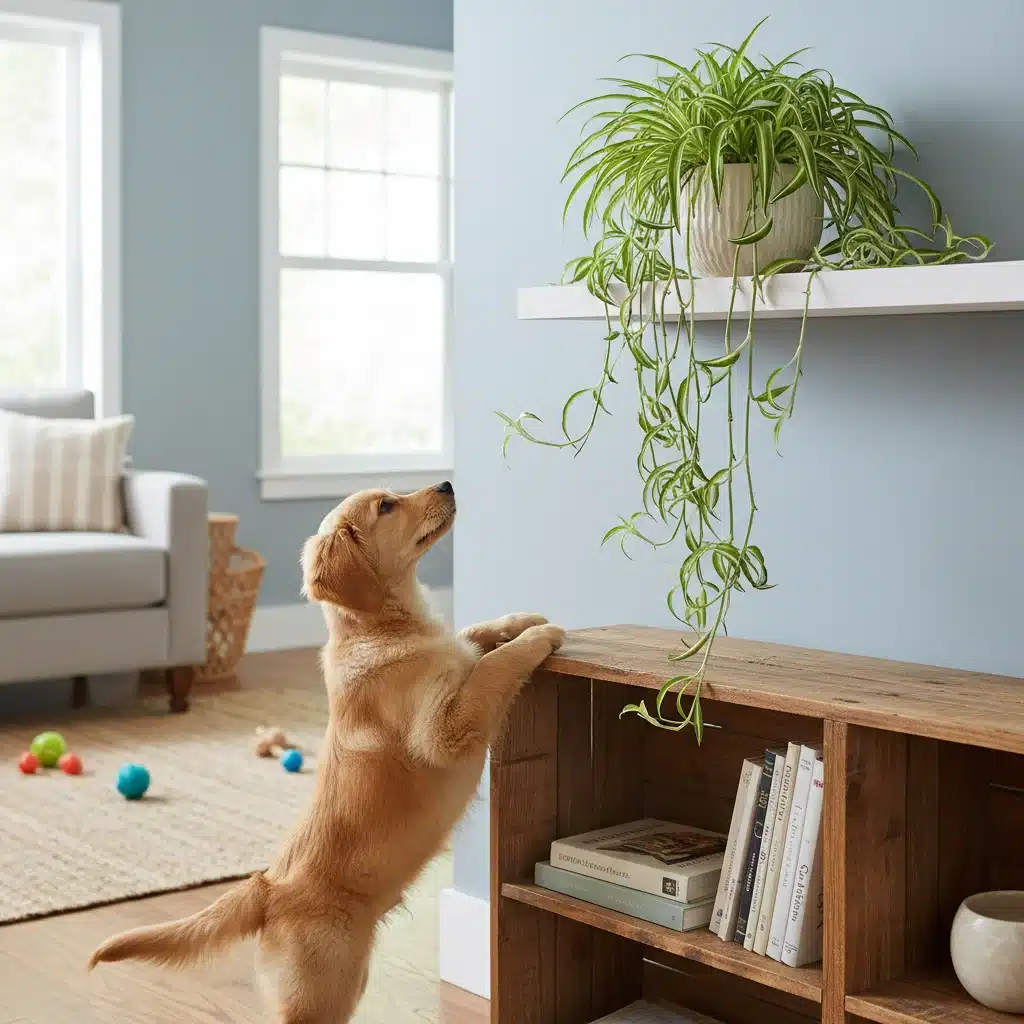
- Remove or Relocate: Identify all existing toxic plants in your home and garden. Either remove them entirely or place them in areas completely inaccessible to your pets, such as hanging baskets or high shelves they cannot reach.
- Pet-Friendly Alternatives: Opt for pet-safe plants like spider plants, Boston ferns, or African violets. These can add greenery without the risk.
- Educate Yourself: Learn the symptoms of plant poisoning for your specific pet species, as early detection can be critical for treatment.
Danger 2: Household Chemicals and Cleaning Products
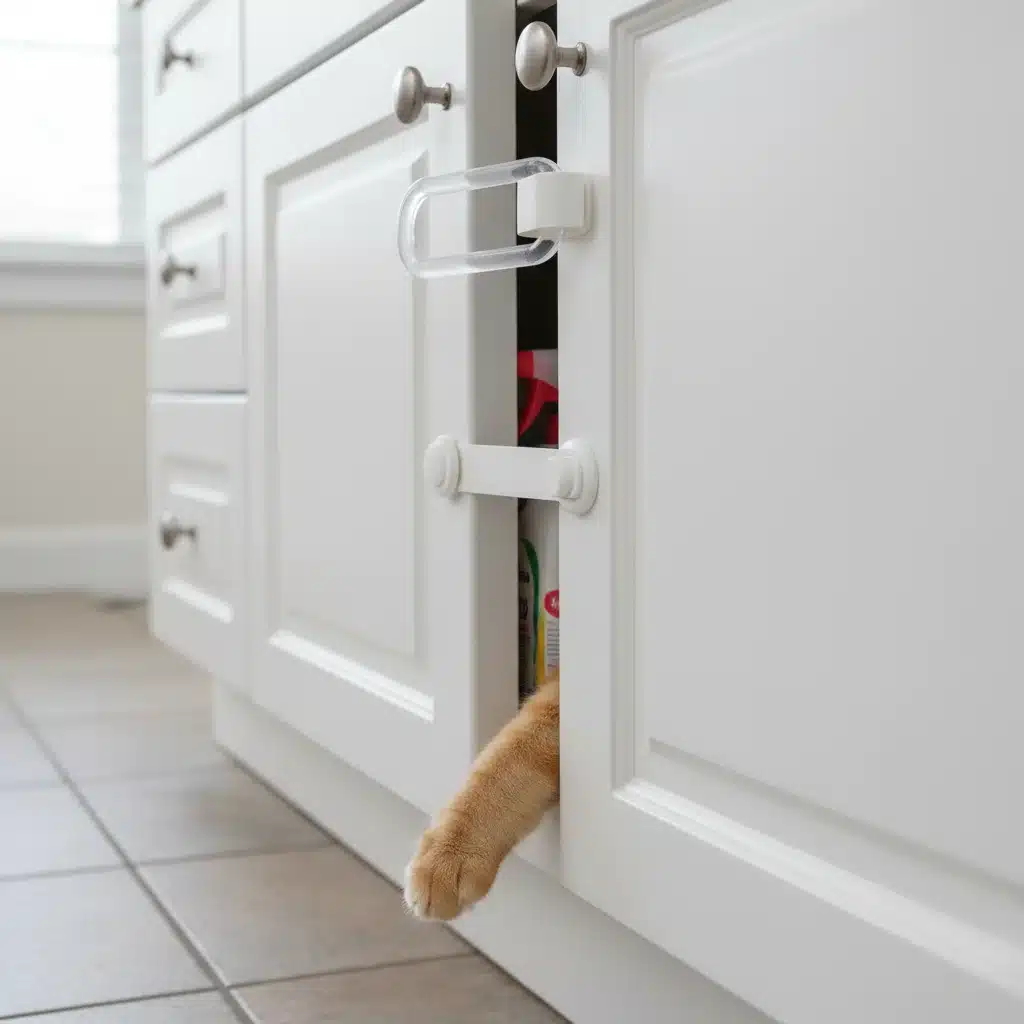
Bleach, detergents, drain cleaners, pesticides, and even some natural cleaning solutions can cause severe chemical burns, internal organ damage, or poisoning if ingested or absorbed through the skin. These items are often stored in easily accessible cabinets, posing a significant risk in any home, let alone a pet-safe home.
How to Eliminate This Danger:
- Secure Storage: Store all household chemicals, cleaning products, and automotive fluids (antifreeze is especially dangerous) in high, locked cabinets or on shelves that are completely out of reach. Child-proof locks can be very effective.
- Immediate Cleanup: Always clean up spills immediately and thoroughly. Ensure your pet is kept away from the area until it is completely dry and safe.
- Read Labels: Pay attention to product labels for pet-specific warnings. Consider using pet-friendly cleaning products when possible.
- Ventilation: When using strong chemicals, ensure proper ventilation and keep pets away from the area during and immediately after use to prevent inhalation of fumes.
Danger 3: Medications – Human and Pet Prescriptions
Both human and pet medications, if not administered correctly or ingested accidentally, can be lethal. Over-the-counter pain relievers, antidepressants, cold medicines, and even certain pet medications (if overdosed) are frequent causes of pet poisonings. Pets are often attracted to the smell or taste of certain pills.
How to Eliminate This Danger:
- Out of Reach, Out of Mind: Store all medications, including vitamins and supplements, in secure, elevated cabinets or locked medicine chests. Never leave pills on countertops or nightstands.
- Proper Disposal: Dispose of expired or unused medications safely. Consult your local pharmacy or waste management for guidelines on proper disposal, as flushing them can contaminate water supplies.
- Careful Administration: Be vigilant when administering pet medications. Ensure your pet has swallowed the dose and doesn’t spit it out later. Keep medication bottles tightly closed.
- Emergency Preparedness: Have the number for your veterinarian and a pet poison control center (e.g., ASPCA Animal Poison Control Center) readily available.
Danger 4: Human Foods – The Tempting but Toxic Treats
Many foods that are perfectly safe and even healthy for humans can be highly toxic to pets. Chocolate, grapes, raisins, onions, garlic, xylitol (a common artificial sweetener), avocado, and alcohol are just a few examples that can cause severe health issues, including kidney failure, anemia, and liver damage.
How to Eliminate This Danger:
- No Table Scraps: Avoid feeding your pets table scraps unless you are absolutely certain they are pet-safe. It’s best to stick to their formulated pet food.
- Secure Food Storage: Keep human food, especially toxic items, stored in sealed containers and inaccessible pantries or refrigerators.
- Countertop Clearance: Never leave food unattended on countertops or tables where curious pets can reach it.
- Educate Family and Guests: Ensure everyone in your household and any visitors understand which foods are dangerous for your pets and reinforce the ‘no human food’ rule.
Danger 5: Electrical Cords and Batteries
Chewing on electrical cords can lead to severe burns, electrical shock, or even electrocution. Batteries, especially small button batteries, can cause chemical burns if punctured or ingested, leading to serious internal damage.
How to Eliminate This Danger:
- Secure Cords: Bundle and secure electrical cords with ties, or run them through cord protectors or conduits. Consider using wireless alternatives where possible.
- Unplug Unused Appliances: Unplug appliances when not in use to reduce the risk of accidental chewing on live wires.
- Battery Storage: Store all batteries out of reach in a secure container. Dispose of used batteries properly according to local regulations.
- Supervision: Supervise young or particularly curious pets closely, especially in areas with many electronics.
Danger 6: Small Objects and Choking Hazards
Items like coins, buttons, small toys, hair ties, rubber bands, jewelry, and even some pet toys can be easily swallowed, leading to choking or intestinal blockages. This is a common oversight in many homes striving to be a pet-safe home.
How to Eliminate This Danger:
- Regular Tidying: Keep floors and accessible surfaces clear of small, swallowable items.
- Appropriate Toys: Provide your pet with toys that are appropriately sized and durable for their breed and chewing habits. Regularly inspect toys for damage and discard them if they become a choking hazard.
- Secure Trash Cans: Use trash cans with secure lids to prevent pets from rummaging through discarded items that could be dangerous.
- Supervised Play: Always supervise your pet during playtime, especially with new toys or if they have a history of ingesting non-food items.
Danger 7: Open Windows, Doors, and Balconies
Pets, especially cats and small dogs, can easily fall from open windows or balconies, or escape through unsecured doors. This can lead to serious injury, becoming lost, or encountering outdoor hazards.
How to Eliminate This Danger:
- Secure Screens: Ensure all window screens are sturdy and securely fitted. Consider installing pet-proof screens.
- Window Guards: For windows on upper floors, consider installing window guards to prevent falls.
- Door Awareness: Be mindful of open doors, especially when entering or exiting. Consider installing self-closing mechanisms or pet gates to restrict access.
- Balcony Safety: If you have a balcony, ensure the railings are secure and that there are no gaps your pet can slip through. Consider enclosing it with pet-safe netting or barriers.
Danger 8: Unsecured Garbage Cans
Garbage cans are treasure troves for curious pets, offering a smorgasbord of tempting smells and potentially dangerous items. Rotten food, sharp objects, bones, and toxic packaging can all lead to serious health problems if ingested.
How to Eliminate This Danger:
- Lidded Bins: Use garbage cans with tight-fitting, secure lids that your pet cannot easily open or knock over.
- Pet-Proof Cans: Consider investing in pet-proof garbage cans that have locking mechanisms or are weighted to prevent tipping.
- Out of Reach: Store garbage cans in a pantry, garage, or utility room where your pet cannot access them.
- Immediate Disposal: Promptly dispose of particularly hazardous items (e.g., chicken bones, chemical-soaked rags) in an outdoor, secure bin.
Danger 9: Pest Control Products and Traps
Rodenticides, insecticides, slug bait, and insect traps are designed to be lethal to pests, but they pose an equally significant threat to pets. Many baits are formulated to be attractive, making accidental ingestion a common and often fatal problem.
How to Eliminate This Danger:
- Pet-Safe Alternatives: Explore non-toxic or pet-safe pest control methods first, such as natural deterrents or physical barriers.
- Professional Help: If professional pest control is necessary, inform the company that you have pets and request pet-safe options or methods that minimize exposure.
- Secure Placement: If using traps or baits, place them in areas completely inaccessible to pets, such as behind secured appliances or inside locked bait stations.
- Constant Vigilance: Regularly check areas where pest control products are used to ensure they haven’t been dislodged or accessed by your pet.
Danger 10: Hot Surfaces and Open Flames
Stoves, fireplaces, space heaters, candles, and grills all present burn risks to pets. A curious paw or tail can easily come into contact with a hot surface, leading to painful injuries. Open flames also pose a fire hazard if knocked over.
How to Eliminate This Danger:
- Supervision Around Heat: Never leave pets unsupervised around lit candles, fireplaces, or active stoves.
- Barrier Protection: Install pet gates or fireguards around fireplaces, wood-burning stoves, and space heaters.
- Secure Candles: Place candles in sturdy holders on high, stable surfaces where they cannot be easily knocked over. Consider flameless LED candles as a safer alternative.
- Unplug When Not in Use: Unplug space heaters and other heat-generating appliances when not in use.
- Cooling Down: Ensure stovetops and grills have completely cooled down before allowing pets near them.
Beyond the Top 10: Continuous Vigilance for a Pet-Safe Home
While this list covers 10 critical dangers, creating a truly pet-safe home is an ongoing process that requires continuous vigilance and adaptation. Pets, especially young ones, are masters of finding new ways to get into trouble. Here are some additional considerations:
- Water Hazards: Keep toilet lids down, cover swimming pools, and supervise pets around bathtubs or buckets of water.
- Strangulation Risks: Be mindful of blinds and curtain cords, plastic bags, and even certain toys that could pose a strangulation risk.
- Heavy Objects: Secure unstable furniture, bookshelves, and decorative items that could fall and injure a pet.
- Entry/Exit Points: Regularly check fences, gates, and pet doors for damage or weaknesses that could allow an escape.
- Emergency Plan: Have a pet-specific emergency kit ready, including first-aid supplies, emergency contact numbers, and a carrier for evacuation.
Remember that each pet is unique. A rambunctious puppy will have different safety needs than an elderly cat or a small bird. Tailor your pet-safe home efforts to your specific animal’s breed, age, temperament, and habits. Observe their behavior and anticipate potential risks before they become problems.
Your Pet-Safe Home Checklist by April 2026
To help you stay on track, here’s a quick checklist to ensure you’ve addressed the main dangers by our target date of April 2026:
- All toxic plants removed or inaccessible?
- Household chemicals and cleaning products securely stored?
- All medications (human and pet) stored out of reach?
- Human foods, especially toxic ones, securely stored?
- Electrical cords protected and batteries secured?
- Small objects and choking hazards picked up?
- Windows, doors, and balconies secured?
- Garbage cans pet-proofed?
- Pest control products used safely or replaced with pet-safe alternatives?
- Hot surfaces and open flames properly managed and protected?
By diligently working through this list and maintaining an awareness of your pet’s environment, you are creating more than just a house; you are building a sanctuary. A truly pet-safe home is one where your companions can live freely, happily, and without unnecessary risk. Your dedication to their safety is one of the greatest expressions of love you can offer. Let’s make every home a safe haven for our beloved pets by April 2026 and beyond.