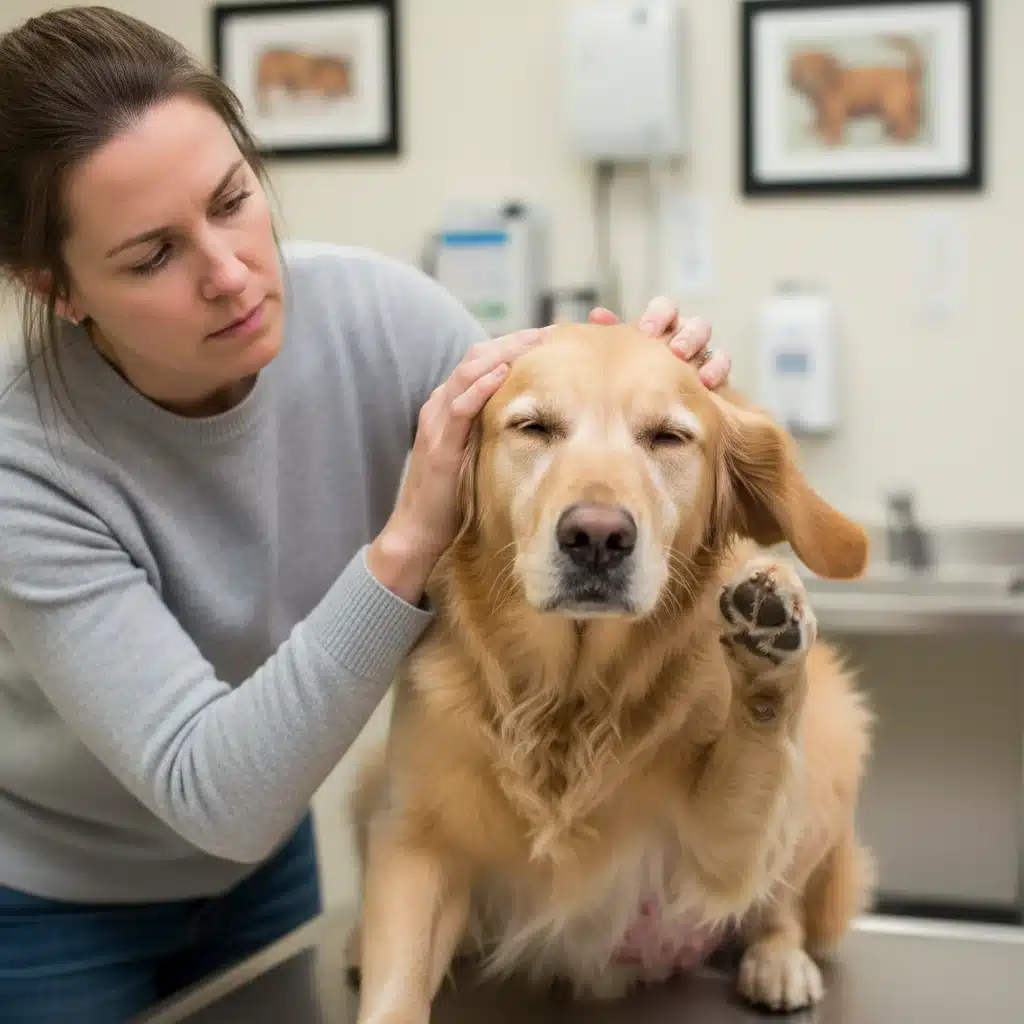
Emergency Preparedness for Pet Owners: A 10-Point Checklist for Natural Disasters in 2026
As pet owners, our furry, feathered, or scaled companions are more than just animals; they are cherished members of our families. Their safety and well-being are paramount, especially when natural disasters threaten. The year 2026, like any other, holds the potential for unpredictable weather events and other catastrophic occurrences. Therefore, proactive pet disaster preparedness is not just a recommendation; it’s a critical responsibility.
Natural disasters, whether they are hurricanes, floods, wildfires, earthquakes, or blizzards, can strike with little to no warning. In the chaos that often ensues, pets can easily be overlooked, left behind, or separated from their owners. This comprehensive guide provides a 10-point checklist specifically designed to help you, as a responsible pet owner, prepare for such emergencies. By following these steps, you can significantly increase the chances of keeping your beloved pets safe, secure, and reunited with you during and after a disaster.
The lessons learned from past disasters emphasize the vital role of preparation. Many heartbreaking stories emerge of pets lost or injured because their owners were not adequately prepared. Conversely, countless tales of successful reunions and safe passages are attributed to meticulous planning and foresight. This article aims to empower you with the knowledge and tools to be among the latter, ensuring your pet’s safety is a top priority in your overall family emergency plan for 2026 and beyond.
Understanding the Risks: Why Pet Disaster Preparedness Matters
Before diving into the checklist, it’s crucial to understand why specific pet disaster preparedness measures are so important. Unlike humans, pets cannot fend for themselves in an emergency. They rely entirely on their owners for food, water, shelter, and protection. During a disaster, familiar surroundings can become dangerous, and routine can be completely disrupted. This can lead to stress, anxiety, and even panic in animals, making them more vulnerable.
Furthermore, evacuation orders often come with restrictions on pets in public shelters. While progress has been made in recent years to accommodate pets in emergency shelters, it’s not always guaranteed. Having a plan that accounts for your pets’ specific needs, whether it’s finding pet-friendly accommodations or preparing for a self-sufficient evacuation, is essential. Ignoring these potential challenges can lead to difficult choices and heartbreaking outcomes.
Consider the emotional impact as well. The bond between humans and their pets is incredibly strong. The thought of losing a pet during a disaster is a profound fear for many. By taking concrete steps now, you can mitigate this fear and act with confidence when an emergency strikes. Our goal is to provide you with a robust framework for pet disaster preparedness, making sure your entire family, including its four-legged members, is ready for whatever 2026 may bring.
The 10-Point Pet Disaster Preparedness Checklist for 2026
1. Create a Pet Emergency Kit
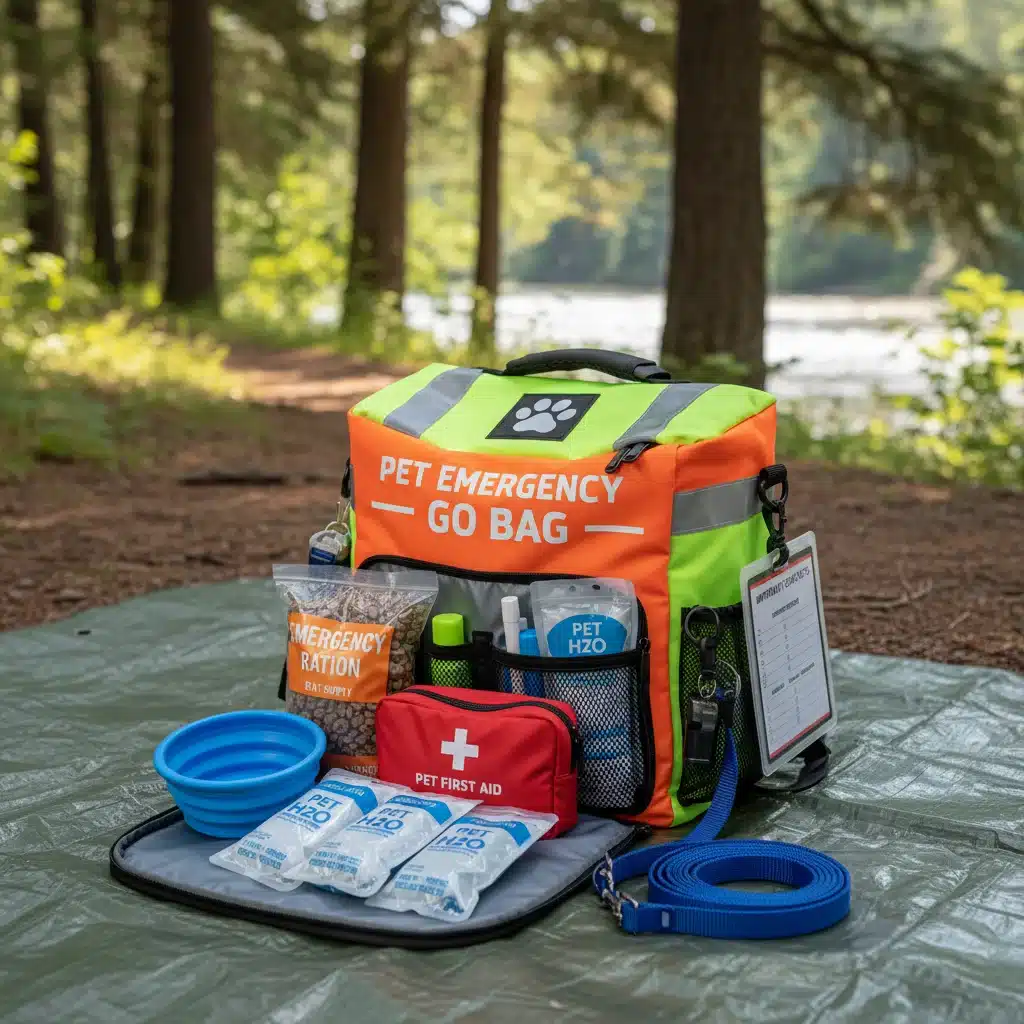
This is arguably the most critical step in pet disaster preparedness. Just as you have an emergency kit for your human family, your pets need one too. This kit should be easily accessible and portable, ready to grab at a moment’s notice. It should contain at least 3-7 days’ worth of essential supplies. Think about what your pet needs daily and multiply it by the number of days you might be displaced.
- Food and Water: Store dry food in airtight, waterproof containers. Include bottled water specifically for your pet. Consider collapsible bowls for easy feeding and hydration.
- Medications and Medical Records: If your pet is on medication, include at least a week’s supply, along with a copy of their prescriptions and medical history, including vaccination records.
- First-Aid Kit: A basic pet first-aid kit should include bandages, antiseptic wipes, sterile saline solution, tweezers, and any specific items recommended by your veterinarian.
- Leash, Collar, and Harness: Always have an extra set. Ensure collars have up-to-date identification tags.
- Comfort Items: A favorite toy, blanket, or bed can provide a sense of security for your pet in a stressful environment.
- Waste Bags/Litter and Pan: For sanitary purposes, especially if you’re in a shelter or temporary housing.
- Recent Photo of Your Pet: In case you get separated, a clear, recent photo can aid in identification and reunification.
- Carrier or Crate: A sturdy, appropriately sized carrier for each pet is vital for safe transport and containment in unfamiliar surroundings. Label it clearly with your pet’s name and your contact information.
Regularly check and update your pet emergency kit, especially medications and food, to ensure they haven’t expired and are still sufficient for your pet’s current needs. This proactive approach is a cornerstone of effective pet disaster preparedness.
2. Ensure Proper Pet Identification
Getting separated from your pet during a disaster is a terrifying prospect. Proper identification dramatically increases the chances of a reunion. This step is non-negotiable for robust pet disaster preparedness.
- Microchip Your Pet: This is the most reliable form of permanent identification. Ensure your contact information registered with the microchip company is current.
- ID Tags: Your pet should always wear a collar with an up-to-date ID tag. This tag should include your current phone number and address. Consider adding an emergency contact number for a friend or family member outside your immediate area.
- Rabies Tag: In many areas, it’s legally required, and it also serves as an additional form of identification.
Check your pet’s microchip annually during their vet visit to ensure it’s still readable and the contact information is accurate. A microchip without current contact details is essentially useless.
3. Develop an Evacuation Plan
Knowing where you and your pets will go if an evacuation is necessary is crucial. Don’t wait until an evacuation order is issued to figure this out. This is a critical component of pet disaster preparedness.
- Identify Pet-Friendly Locations: Research hotels/motels outside your immediate area that accept pets. Websites like Pets Welcome or BringFido can be invaluable resources.
- Friends and Family: Ask friends or family members who live out of town if they would be willing to shelter you and your pets during an emergency.
- Emergency Shelters: Be aware that not all human shelters accept pets (other than service animals). Identify those that do in your region. The American Red Cross often lists pet-friendly shelters or co-located shelters.
- Practice Evacuation Routes: Familiarize yourself with multiple routes out of your neighborhood and town.
Having a pre-determined destination can alleviate significant stress during an already chaotic time. Remember, during an evacuation, time is of the essence, and a well-rehearsed plan for your pets is as important as your own.
4. Establish a Pet Buddy System
What if you’re not home when a disaster strikes? A pet buddy system is a smart addition to your pet disaster preparedness plan.
- Designate a Trusted Person: Ask a trusted neighbor, friend, or family member who lives nearby to be your pet’s emergency caretaker if you’re unable to get home.
- Provide Access and Instructions: Ensure your pet buddy has a spare key to your home and knows your pets’ routines, feeding schedules, medications, and where their emergency kit is located.
- Reciprocate: Offer to be their pet buddy in return, creating a mutual support system.
This network of support can be a lifesaver for your pets when you’re not immediately available.
5. Display a Pet Rescue Alert Sticker
In case you’re evacuated and forced to leave your pets behind (a last resort, always), a pet rescue alert sticker can inform emergency responders that animals are inside your home. This simple yet effective tool is a crucial part of pet disaster preparedness.
- Placement: Place a sticker prominently on a front window or door.
- Information: The sticker should indicate the number and types of pets inside your home. Include your veterinarian’s contact information.
- Update: Keep the information on the sticker current. If you adopt a new pet or one passes away, update the sticker accordingly.
While responders will prioritize human life, these stickers can help ensure your pets aren’t overlooked during search and rescue operations.
6. Keep Important Documents Accessible
Beyond medical records, there are other documents you should have readily available as part of your pet disaster preparedness efforts.
- Proof of Ownership: This can be a bill of sale, adoption papers, or registration certificates.
- Current Photos: Keep several clear, recent photos of you with your pets to prove ownership if you become separated.
- Contact List: Include phone numbers for your vet, local animal shelters, pet-friendly hotels, and your emergency contacts.
Store these documents in a waterproof bag within your pet emergency kit or with your family’s essential papers.
7. Plan for Different Types of Disasters
Different disasters require slightly different responses. Your pet disaster preparedness plan should be adaptable.
- Floods: Identify high ground and upper floors. Have carriers ready for swift movement.
- Wildfires: Focus on early evacuation. Animals are highly susceptible to smoke inhalation.
- Earthquakes: “Drop, Cover, and Hold On” applies to pets too. Secure heavy furniture. Have leashes ready for immediate outdoor safety check.
- Hurricanes/Severe Storms: Secure your home, bring outdoor pets inside well in advance, and prepare for potential power outages and lengthy displacement.
Understanding the specific risks in your geographic area will allow you to tailor your preparedness efforts more effectively.
8. Practice Your Plan
A plan is only as good as its execution. Regular practice is a vital, yet often overlooked, aspect of pet disaster preparedness.
- Practice Evacuation: Take your pets for short drives in their carriers to get them accustomed to travel.
- Emergency Drills: Periodically run through your emergency plan, including gathering your pet’s kit and moving them to a designated safe area within your home or practicing a mock evacuation.
- Carrier Training: Help your pets become comfortable with their carriers. Leave them open with treats or toys inside so they associate them positively.
The more comfortable your pets are with these unusual situations, the less stressed they will be when a real emergency occurs.
9. Consider Special Needs for Different Pets
Not all pets are created equal, and your pet disaster preparedness plan should reflect this.
- Small Animals (Birds, Rodents, Reptiles): These pets often require specific temperature control, specialized food, and secure enclosures. Ensure their carriers are escape-proof and their environmental needs can be met during an evacuation.
- Large Animals (Horses, Livestock): Planning for large animals is complex and may involve pre-arranged evacuation to specific facilities, identification (tags, brands), and a detailed transport plan.
- Pets with Health Issues: Ensure you have extra supplies of medications, specialized food, and clear instructions for their care.
Consult with your veterinarian for advice on preparing for pets with unique requirements. They can offer tailored guidance for your specific situation.
10. Stay Informed and Connected
Knowledge is power, especially during an emergency. Staying informed is a continuous part of pet disaster preparedness.
- Monitor Weather Alerts: Pay attention to local weather forecasts and emergency alerts.
- Local Authorities: Know how your local emergency management agency communicates information and evacuation orders.
- Emergency Contacts: Keep a battery-powered or hand-crank radio. Ensure your phone is charged, and have a portable power bank.
- Community Resources: Familiarize yourself with local animal shelters, humane societies, and veterinary clinics that may offer assistance during a disaster.
Being proactive in gathering information allows you to make timely decisions that can save lives, including those of your beloved pets.
The Importance of Microchipping: A Deeper Dive
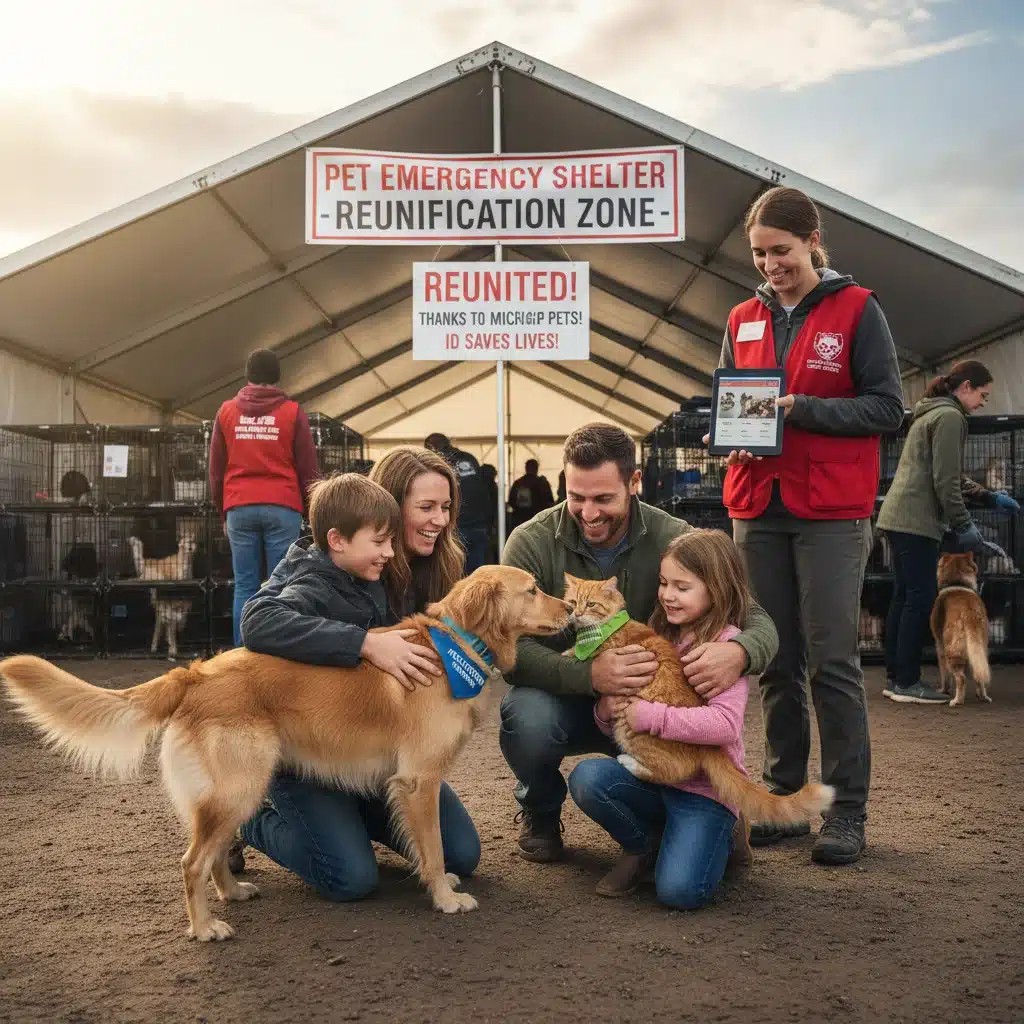
While mentioned in point #2, microchipping deserves a more in-depth discussion due to its unparalleled importance in pet disaster preparedness. During the chaos of a natural disaster, collars can break, ID tags can fall off, and pets can become disoriented and wander far from home. A microchip is a tiny, rice-sized transponder implanted under your pet’s skin, usually between the shoulder blades. It contains a unique identification number that can be read by a scanner.
When a lost pet is found and taken to a veterinary clinic, animal shelter, or even some police stations, they are routinely scanned for a microchip. If one is found, the identification number is cross-referenced with a national database, allowing the facility to retrieve the owner’s contact information. This technology has facilitated countless reunions between pets and their distraught owners after devastating events.
However, a microchip is only effective if the registered contact information is up-to-date. Many pet owners fail to update their details after moving, changing phone numbers, or even adopting a new pet. Make it a habit to check and update your microchip registration annually, perhaps during your pet’s annual check-up. This simple act can be the difference between a joyful reunion and a permanent separation. Investing in a microchip is a small cost for immense peace of mind, making it a cornerstone of any robust pet disaster preparedness plan.
Beyond the Checklist: Long-Term Pet Disaster Preparedness Habits
While the 10-point checklist provides a solid foundation, pet disaster preparedness is an ongoing commitment. It’s not a one-time task but a series of habits that integrate into your regular pet care routine. Here are some additional considerations for long-term readiness:
- Regular Veterinary Check-ups: Healthy pets are more resilient. Regular vet visits ensure your pet is in optimal health and up-to-date on vaccinations, which can be crucial if they need to be boarded or housed with other animals in an emergency.
- Behavioral Training: A well-behaved pet is easier to manage in stressful situations. Basic obedience commands like ‘stay,’ ‘come,’ and ‘sit’ can be invaluable. Carrier training, as mentioned earlier, is also a form of behavioral preparedness.
- Financial Planning: Consider setting aside a small emergency fund specifically for your pets. Disasters can incur unexpected costs, from emergency vet care to temporary boarding fees.
- Networking with Other Pet Owners: Connect with other pet owners in your community. They can be a valuable support system, sharing resources, information, and even mutual aid during an emergency.
- Advocate for Pet-Friendly Policies: Support local and national initiatives that promote pet-inclusive disaster planning, such as encouraging more pet-friendly emergency shelters. Your advocacy can help improve overall pet disaster preparedness for the entire community.
- Review and Update Annually: Just as you review your personal emergency plan, dedicate time each year to review and update your pet’s plan. This ensures all information is current, supplies are fresh, and your strategy remains relevant to your pet’s changing needs and any new local risks.
By embedding these practices into your life, you transform pet disaster preparedness from a daunting task into a natural extension of responsible pet ownership. This holistic approach ensures that your pets are not just an afterthought but an integral part of your family’s safety strategy.
The Emotional Toll: Managing Stress for You and Your Pets
Natural disasters are inherently stressful, not just for humans but for pets as well. Animals are highly attuned to changes in their environment and their owners’ emotions. Understanding and managing this stress is a vital, though often overlooked, aspect of pet disaster preparedness.
For Your Pets:
- Maintain Routine as Much as Possible: Even in a chaotic environment, try to stick to your pet’s regular feeding and walking schedules. Predictability can reduce anxiety.
- Provide Comfort: Familiar items like their bed, a favorite toy, or a blanket from home can offer immense comfort. Your presence and calm demeanor are also crucial.
- Safe Space: If possible, create a small, comfortable, and quiet space for them in an emergency shelter or temporary accommodation where they can retreat and feel secure. Carriers can serve this purpose well.
- Monitor for Stress Signs: Be aware of signs of stress in your pet, such as excessive panting, pacing, hiding, changes in appetite, or unusual aggression. Consult a vet if behavioral changes are severe or prolonged.
- Exercise and Mental Stimulation: When safe to do so, provide opportunities for exercise and mental engagement to help burn off nervous energy.
For Pet Owners:
- Self-Care: Remember that you cannot care for your pet effectively if you are overwhelmed. Prioritize your own well-being, even if it’s just taking a few deep breaths.
- Seek Support: Don’t hesitate to lean on your support network of family, friends, or fellow pet owners. Sharing your concerns can help alleviate stress.
- Be Prepared (Mentally): Knowing you’ve done everything possible for pet disaster preparedness can provide a significant degree of psychological comfort when facing an emergency.
By acknowledging and addressing the emotional aspects of disaster, you strengthen your capacity to cope and provide the best possible care for your pets during challenging times.
Conclusion: A Commitment to Pet Safety in 2026 and Beyond
The responsibility of pet ownership extends to ensuring their safety and well-being in every circumstance, including natural disasters. By diligently following this 10-point checklist for pet disaster preparedness, you are not just creating a plan; you are making a profound commitment to your beloved companions. The year 2026, like any other, serves as a reminder that preparedness is an ongoing journey, not a destination.
From assembling a comprehensive emergency kit and ensuring proper identification to developing an evacuation strategy and practicing your plan, each step contributes to a robust safety net for your pets. Remember that microchipping, often a forgotten detail, stands as a beacon of hope for reunification, underscoring its critical role. Furthermore, integrating long-term habits and understanding the emotional toll of disasters on both humans and animals will fortify your readiness.
Don’t wait for a disaster to strike. Start today. Review this checklist, gather your supplies, and have those crucial conversations with your family and trusted contacts. Your pets depend on you entirely. With thorough pet disaster preparedness, you can face the uncertainties of 2026 and beyond with confidence, knowing that you’ve done everything possible to protect the furry, feathered, or scaled members of your family. Their safety is in your hands, and with these steps, you are well-equipped to uphold that sacred trust.