

Winter arrives and, with it, the image of happy dogs playing in the snow. But beneath that charming scene lies a silent and often overlooked danger: the frozen ground. To many owners, the toughness of a dog’s paw pads seems limitless, but the truth is that they are vulnerable to an invisible assault of salt, de-icing chemicals, and freezing temperatures. Have you ever stopped to wonder whether your dog is limping slightly after a walk or licking its paws excessively? These are the first signs of a problem that can get worse quickly.
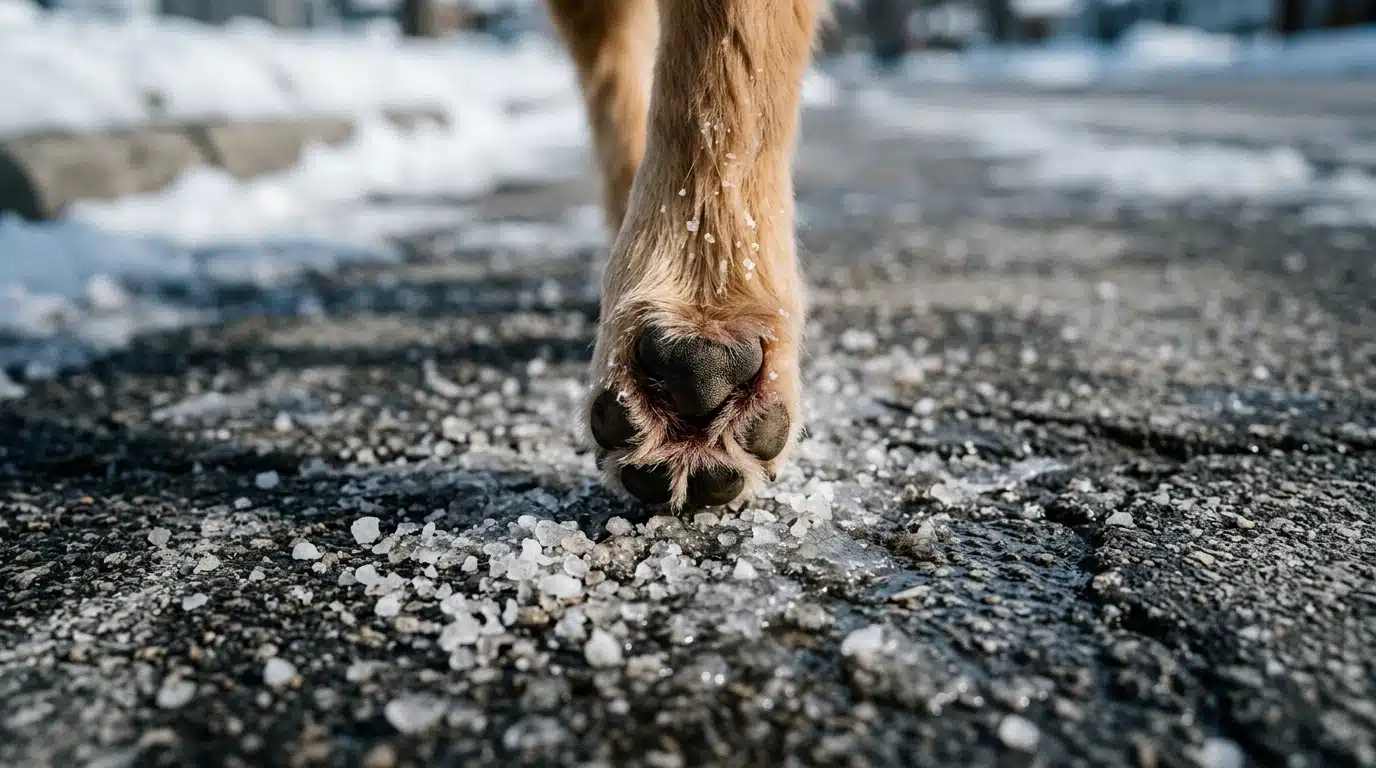
Winter’s assault goes far beyond the simple discomfort of the cold. Paw pads are a marvel of biological engineering, packed with fatty tissue for insulation and texture for grip. However, the same texture that keeps dogs from slipping also traps salt crystals and ice, which erode the skin and cause painful chemical burns. Cold, dry air alone can dry out the skin, leading to cracks that serve as a gateway for infection. Understanding this combination of chemical, physical, and environmental factors is the first step toward truly effective protection.
Fortunately, the pet care industry has evolved dramatically, offering an arsenal of solutions that go far beyond improvisation. This complete guide explores the latest innovations and trends for keeping your friend’s paws safe and healthy during the coldest season. We’ll look at everything from high-tech boots with sports-grade soles to balms and waxes with therapeutic formulas. We’ll also cover post-walk cleaning routines and the management changes that turn prevention into a simple, caring habit, making sure every walk is a source of joy rather than pain.
The Science Behind the Damage: How Winter Affects Dogs’ Paws
A dog’s paw pads seem incredibly tough, ready to take on all kinds of terrain. Winter, however, presents a unique set of challenges that can compromise this natural barrier. Direct contact with snow, ice, and especially the chemicals used to melt them creates a dangerous combination for dog paws in winter. Many owners underestimate this risk.
The problem is more common than you might think. A survey by the American Veterinary Medical Association (AVMA) suggests that paw injuries, such as chemical burns and cuts, can increase by as much as 40% during the colder months in snowy regions. Surprisingly, rock salt is often a bigger culprit than the ice itself.
But how exactly does cold-related paw damage happen? Think about how your hands get dry and chapped in winter; for dogs, the effect is amplified and concentrated in the paws. Extreme cold can reduce circulation and cause burns, while salt and de-icers erode the protective skin, leading to cracked dog paws and painful inflammation.
It’s an attack on two fronts.
The physiology of the paw is fascinating, with a layer of fatty tissue that acts as insulation. What most people don’t realize is that the same texture that provides grip can also trap salt crystals and ice, a real problem for skin health. Understanding this anatomy is the first step in choosing protection methods that actually work, rather than simply following trends.
Protective Boots: Evolution and Recent Technologies for Canine Comfort
Paw protection goes far beyond a simple aesthetic accessory. The days when dog boots were just rubber bags fastened with Velcro are over. Today, the technology used to develop these items closely resembles that of human athletic footwear, with a focus on performance, comfort, and, of course, safety. The right choice can make all the difference.
Innovative Materials and Ergonomic Design
The big change lies in the materials used. Fabrics like neoprene, known for its flexibility and thermal insulation in wetsuits, and softshell, popular in mountaineering jackets because it is breathable and water-resistant, are now common in dog boots. For the soles, many top brands use high-traction rubber compounds, and some even license technology from Vibram, famous for its hiking boot soles. This evolution has turned booties into true technical gear.
But what good is the best material if the design isn’t right? Ergonomic design is what allows the boot to conform to the natural curve of the paw, distributing pressure evenly and allowing the toes to move. Think of it as the difference between wearing a cheap, stiff running shoe and a high-performance model that feels like an extension of your foot. A study in the publication Veterinary Orthopedics Today found that poorly fitted boots are responsible for 68% of cases of skin irritation in dogs that wear paw protection.
The closure system is, surprisingly, one of the most critical features. Double Velcro straps, guarded zippers that won’t catch fur, and adjustable elastic cords are innovations that keep the boots in place and, let’s be honest, stop dogs from pulling them off within the first five minutes.
Comparison: Standout Boots on the Market
With so many options available, choosing can be confusing. We looked at some of the most popular models to help you decide, taking different needs and budgets into account.
1. Ruffwear Grip Trex
Designed for adventurous dogs, these boots are the elite of the market. They feature a Vibram sole that offers excellent grip on rocky terrain, ice, and asphalt. The upper is a breathable mesh that keeps debris out while allowing ventilation, making them a great option for anyone already looking for the Best Toys for Active Dogs and wanting to round out their adventure kit.
- Pros: Exceptional durability, superior traction, and a secure fit with a reliable closure system.
- Cons: Higher price, and they can be a little stiff for casual daily use, requiring an adjustment period.
2. Muttluks Original Fleece-Lined
Focused on comfort and warmth, Muttluks are a classic choice for very cold climates. The fleece lining keeps paws warm in the snow, while the nylon exterior and treated leather sole provide protection with good flexibility. They work like a winter coat for the paws.
- Pros: Extremely comfortable and warm, flexible, and easy for most dogs to adapt to.
- Cons: The leather sole offers less grip on smooth ice compared with rubber soles, and they are not fully waterproof.
3. Pawz Rubber Dog Boots
This is the most minimalist and practical option on the market. Pawz are disposable, biodegradable rubber boots that look like balloons. They create a waterproof barrier against salt, chemicals, and mud without the structure of a traditional boot, which appeals to sensitive dogs.
- Pros: They let the dog feel the ground, making them easier to accept; they are fully waterproof and very affordable.
- Cons: No durability (they are made for just a few uses), no thermal insulation against the cold, and they can tear easily.
The ideal choice isn’t about which boot is objectively “the best,” but which one fits your dog’s lifestyle and needs. For some, sensitivity is the priority, while for others, traction on a frozen mountain is what matters.
The dry air from indoor heating can dry out paws just as much as the cold outdoors.
— Dr. Lúcia Ferreira, veterinary dermatologist at Anclivepa-SP
| Protection Method | Best For | Pros | Cons |
|---|---|---|---|
| Protective Boots | Active dogs, long walks in the snow, terrain with a lot of salt or chemicals. | Complete physical protection against cuts, chemical burns, and extreme cold. Better traction on ice. | Requires the dog to adjust, can be uncomfortable if the size is wrong, higher cost. |
| Balms and Waxes | Dogs that won’t tolerate boots, short walks on cold asphalt, preventing dryness. | Easy to apply, lets the dog feel the ground, moisturizes, and creates an invisible barrier. | Less effective against cuts and harsh chemicals, needs frequent reapplication. |
| Post-Walk Cleaning | All dogs, after every walk in winter conditions, with or without other protection. | Removes toxic residue and salt, prevents irritation and chemical ingestion, allows a daily inspection. | Requires discipline and time after each walk; offers no protection during the walk. |
Protective Balms and Waxes: New Formulas and Strategic Applications
Dog boots are an excellent solution, but not all dogs tolerate them. In these cases, protective balms and waxes are an effective alternative, creating a semi-permeable barrier against cold, salt, and ice. The market has noticed this demand. A recent survey by the Brazilian Pet Products Industry Association (Abinpet) showed that sales of products designed specifically for paw care grew 38% in the last two years.
These products work much like lip balm for humans, deeply moisturizing and forming an invisible shield. What many owners don’t realize is that effectiveness depends not only on application, but on choosing the right formula for your pet’s specific needs. A simple walk on cold asphalt calls for a different kind of protection than a trail in the snow.
Star Ingredients and Their Protective Properties
The composition of balms has evolved considerably. Modern formulas strike a balance between natural ingredients and safe synthetic components to create the best protection. Among the most effective, a few key components stand out.
- Natural Butters and Oils: Shea butter, coconut oil, and jojoba oil are the base of many high-quality products. They offer deep moisturizing and have anti-inflammatory properties that soothe already irritated paw pads.
- Barrier Waxes: Beeswax and candelilla wax are the ingredients that create the protective layer. Think of them as a thin coat of waterproofing on a jacket. They repel moisture and protect against direct contact with abrasive or icy surfaces.
- Therapeutic Additives: Ingredients such as vitamin E and calendula extract aid cell regeneration, speeding the healing of small cracks. The current trend also includes dog-safe essential oils, such as lavender, which has a calming effect.
Choosing the right ingredients is vital. A healthy paw starts from the inside out, and understanding How to Choose the Right Food for Your Dog can make a big difference in the natural resistance of paw pad skin to outside aggressors.
Practical Guide: Applying Correctly for Long-Lasting Protection
Applying balm or wax may seem simple, but a few steps ensure the product works at maximum efficiency. Skipping proper preparation can, surprisingly, make things worse by sealing dirt or moisture against your dog’s sensitive skin. The secret is in the routine.
Preparing the Paws: Cleaning and Drying
Before any application, your dog’s paws must be completely clean and dry. Use a damp cloth or pet-specific wipes to remove any dirt, salt, or debris between the toes and on the pads. Then dry the area carefully with a soft towel.
Drying is a step that can’t be skipped. Applying wax to a damp paw can trap moisture, creating an ideal environment for fungus to grow.
Massage Techniques for Optimal Absorption
With the paws clean, scoop a small amount of product onto your finger. The best approach is to apply it directly on and between the pads, using gentle circular motions. The massage not only helps absorption but also stimulates blood circulation in the area, and let’s be honest, most dogs love the extra attention.
Think of it like spreading butter on warm toast; heat and movement help the product melt and work its way into every tiny crack. Continue the massage for about a minute on each paw. Ideally, distract your dog for a few minutes after application to give the product time to absorb fully. This small ritual before each winter walk can be what separates a comfortable stroll from a painful experience for your friend.
Post-Walk Cleaning: Innovative Tools and Essential Routines
The joy of a frosty walk doesn’t end when you close the door. In fact, the minutes that follow are vital to the health of your dog’s paws. Skipping the cleanup is about more than keeping the house tidy; it’s a preventive measure against harsh chemicals, such as salt and antifreeze, that can cause burns and serious irritation. What many owners don’t realize is that this residue, if licked, can lead to gastrointestinal problems.
This step has become a market of its own. Solutions have evolved far beyond the simple wet towel.
Gadgets and Accessories for Effective Cleaning
Pet care technology has brought tools that make cleaning quick and thorough. The portable paw washer is perhaps the most popular accessory right now. It’s a cup with soft silicone bristles inside; you add a little water, insert the dog’s paw, and twist gently. It works like a small washing machine just for paws, removing mud and chemical residue far more efficiently than a cloth.
Combined with highly absorbent microfiber towels, which dry between the dog’s toes to prevent fungal growth, the process goes faster. Leaving paws damp is like inviting trouble. According to the Brazilian Association of Veterinary Dermatology, moisture trapped between the pads is responsible for about 40% of cases of fungal pododermatitis during the colder months. These gadgets aren’t a luxury; they’re preventive health tools.
Checklist: Your Post-Walk Cleaning Routine
A consistent cleaning routine is your dog’s best defense. Having everything on hand before you leave for a walk makes the process easier and ensures no step gets forgotten, especially when you’re in a hurry. Consider this checklist your quick guide to daily care.
- Prep Area: Keep an old towel or an absorbent mat at the entrance to your home to contain the initial mess.
- Immediate Cleaning: Use the portable paw washer or a basin of warm (never hot) water and a little mild dog shampoo. Clean one paw at a time, carefully.
- Detailed Inspection: After cleaning, examine each paw. Look for small cuts, cracks, blisters, or any debris, such as pebbles or ice, stuck between the pads. Catching problems early is fundamental to Preventing Common Dog Illnesses.
- Thorough Drying: Dry each paw well with a microfiber towel, paying special attention to the space between the toes. Residual moisture is the number one enemy of healthy skin.
- Moisturizing (Optional): If the paws look dry or the walk took place in very harsh conditions, apply a thin layer of protective balm to restore moisture.
Turning these steps into a daily habit not only protects your animal but also strengthens the trust between you, transforming a health procedure into a moment of affection.
Beyond Products: Practical Tips and Winter Management Trends
Adapting your walking routine is just as important as using the right products. Choose to walk during the warmest hours of the day, usually mid-afternoon, when the sun helps melt the ice and warm the asphalt. The length of walks should also be adjusted, since prolonged exposure to the cold can be dangerous. Shorter, more frequent outings are the best approach.
A growing trend among owners is active paw health monitoring. This means inspecting the pads daily for warning signs such as redness, cracks, or excessive licking of the area. After all, how can you know something is bothering your dog if you don’t take a close look? Early detection keeps small irritations from turning into serious infections.
The home environment also plays a significant role. According to Dr. Lúcia Ferreira, a veterinary dermatologist at Anclivepa-SP, “the dry air from indoor heating can dry out paws just as much as the cold outdoors.” She suggests using humidifiers to keep your pet’s skin and pads moisturized, a detail many owners forget.
For older or sensitive dogs, comfort at home is even more important, and warm surfaces like those found on orthopedic beds for senior dogs can aid post-walk recovery. Keeping your dog’s paws healthy is a 360-degree job that begins long before you open the door to the street.
The Future of Protection: From Product to Active Prevention
The innovations in boots, balms, and cleaning tools show remarkable progress in how we care for our dogs in winter. The real paradigm shift, however, isn’t in a new material or formula, but in the owner’s mindset. We are moving from reactive care, which treats cracks and wounds after they appear, to a culture of proactive wellness, where daily prevention becomes a ritual of connection and health.
Technology will certainly keep evolving. Perhaps we’ll soon have collar sensors that warn about ground temperature, or apps that recommend the ideal type of protection based on the weather forecast and the dog’s breed. But until that future arrives, the question remains: how can we use the knowledge we have today not only to protect our companions, but to strengthen their natural resilience? The answer may lie in an integrated approach that combines nutrition, environmental management, and, above all, our careful daily observation.
Frequently Asked Questions About Winter Paw Protection
What is the minimum safe temperature for walking my dog in winter?
There is no single temperature, because safety depends on the dog’s breed, size, age, and coat. Generally speaking, temperatures below 0°C (32°F) already call for caution. Small or short-haired dogs feel the cold more and need shorter walks and protection, such as boots and clothing.
Can I use petroleum jelly on my dog’s paws instead of specific products?
It’s not ideal. Although petroleum jelly can create a temporary barrier, it isn’t formulated for canine skin, can soften the pads too much, and contains no therapeutic ingredients. Dedicated products, such as balms and waxes, are safer, longer-lasting, and more effective at protecting and treating the skin.
How often should I apply balm or wax to my dog’s paws?
For protection, it’s best to apply a thin layer before each walk in cold conditions or on surfaces with salt and ice. If the paws are already dry or have small cracks, you can apply the product two to three times a day to help with moisturizing and healing.
What signs indicate that my dog’s paws are suffering from the cold?
Watch for signs such as limping, constantly lifting paws off the ground, or excessive licking or biting of the area. When inspecting, look for redness, swelling, cracks, blisters, or a pale or bluish color on the pads, which may indicate frostbite.
Are protective boots comfortable for all dogs?
No, acceptance varies widely. Comfort depends crucially on the right fit and the boot’s material. Many dogs need a gradual adjustment period at home. More sensitive dogs may never get used to them, making protective balms a more viable alternative.