Winter Pet Care 2026: Protecting Paws and Fur from Extreme Cold with 4 Key Strategies
As the crisp autumn air transitions into the biting chill of winter 2026, pet owners worldwide begin to consider the unique challenges this season presents for their beloved companions. The dropping temperatures, icy pavements, and increased indoor time can all impact our pets’ health and happiness. Ensuring proper winter pet care is not just about keeping them warm; it’s a holistic approach to safeguarding their well-being against the harsh elements. From protecting delicate paws to maintaining a healthy coat and adjusting their diet, every aspect of their routine needs a thoughtful review. This comprehensive guide will equip you with four crucial strategies to navigate the colder months, ensuring your furry friends remain healthy, comfortable, and joyful throughout winter 2026.
The colder months bring with them a unique set of concerns for pet owners. Just as we bundle up, our pets also require extra attention to stay safe and healthy. Ignoring these needs can lead to serious health issues, ranging from frostbite and hypothermia to dry skin and respiratory problems. Therefore, understanding and implementing effective winter pet care strategies is paramount. We’ll delve into practical tips and expert advice, covering everything from external protection to internal well-being, designed to make winter 2026 a season of comfort and joy for your pets.
1. Paw Protection: Shielding Delicate Paws from Icy Threats
One of the most vulnerable areas for pets during winter is their paws. Exposed to freezing temperatures, snow, ice, and harsh de-icing chemicals, paws can suffer from dryness, cracking, cuts, and even chemical burns. Effective paw protection is a cornerstone of responsible winter pet care. This section will explore various methods to keep your pet’s paws healthy and intact during the coldest months.
Understanding the Dangers to Paws
Before we dive into solutions, it’s vital to understand the threats. Snow and ice can cause frostbite, while jagged ice shards can lead to painful cuts. More insidious are the de-icing agents like rock salt and antifreeze, commonly used on sidewalks and roads. These chemicals are not only irritating to paw pads but can also be toxic if ingested when pets lick their paws. The constant exposure to cold and moisture can also lead to dry, cracked pads, making them more susceptible to injury and infection. Therefore, a proactive approach to paw protection is essential for comprehensive winter pet care.
Paw Balms and Waxes: Your First Line of Defense
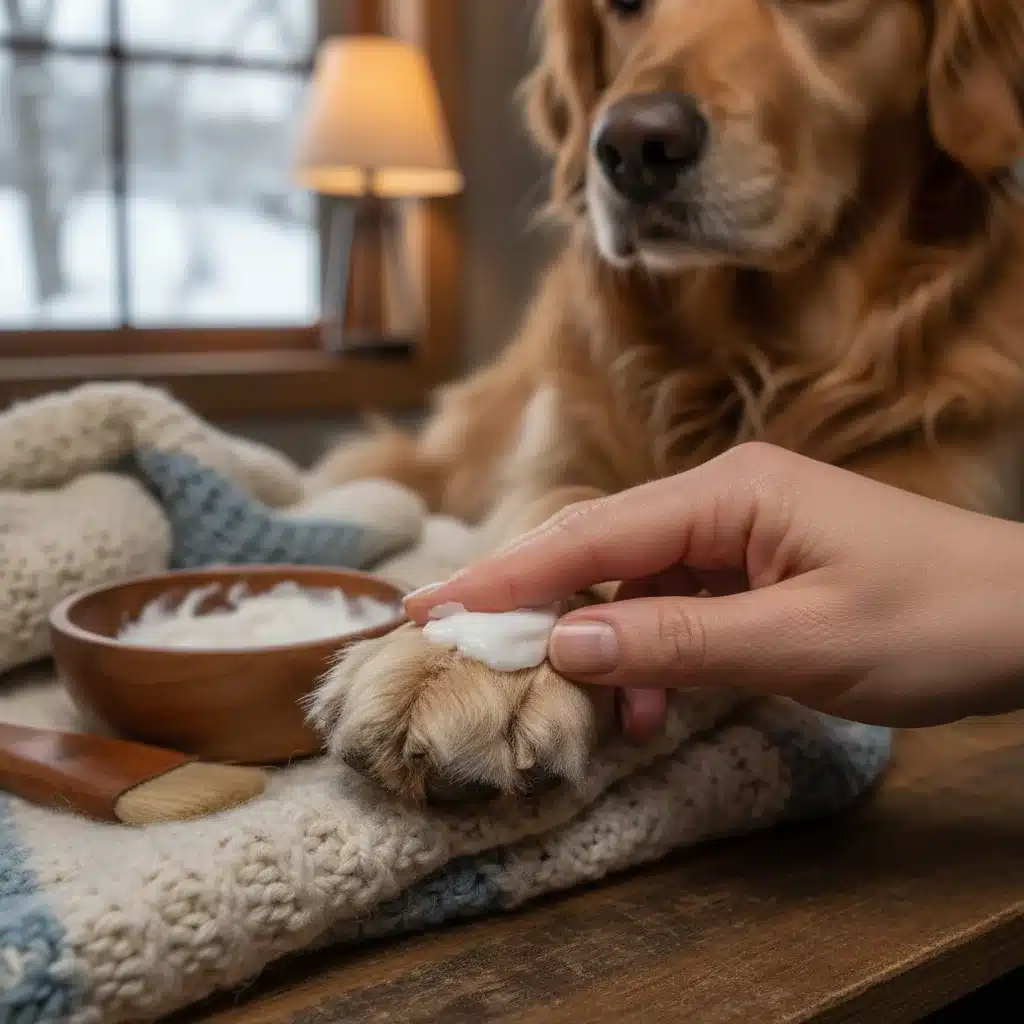
A simple yet highly effective strategy is to apply a protective paw balm or wax before your pet goes outside. Products specifically designed for pets create a barrier between their pads and the harsh elements. These balms often contain natural ingredients like beeswax, shea butter, and vitamin E, which moisturize, soothe, and protect. Apply a thin layer to clean, dry paws, paying attention to the pads and in between the toes. This barrier helps prevent dryness and cracking and offers a degree of protection against salt and chemicals. Regular application throughout the winter season is key to maintaining paw health.
Pet Booties: The Ultimate Shield
For maximum protection, especially for longer walks or in areas with heavy snow and salt, pet booties are an excellent investment. While some pets may resist them initially, with patience and positive reinforcement, most can adapt. Booties provide a physical barrier against ice, snow, sharp objects, and all types of de-icing chemicals. When choosing booties, look for those that are durable, waterproof, and have good traction. Ensure they fit snugly but not too tightly, allowing for comfortable movement. It’s crucial to measure your pet’s paws correctly to get the right size. Booties are an indispensable tool in advanced winter pet care.
Post-Walk Paw Care: The Essential Routine
Even with balms or booties, a post-walk paw care routine is critical. Upon returning indoors, always wipe your pet’s paws thoroughly with a warm, damp cloth. This removes any residual salt, chemicals, or ice buildup. Pay particular attention to the areas between the paw pads where ice balls can form and chemicals can accumulate. If your pet has long fur between their pads, consider trimming it to prevent ice and snow from clinging. Regularly inspect their paws for any signs of redness, cracking, or injury. Early detection allows for prompt treatment and prevents minor issues from escalating. This diligent routine is a fundamental part of effective winter pet care.
2. Fur and Coat Maintenance: Battling Dryness and Enhancing Insulation
A pet’s coat serves as their natural insulation, but winter conditions can compromise its effectiveness, leading to dry, flaky skin and a dull coat. Proper fur and coat maintenance are vital for keeping your pet warm and healthy. This second strategy for winter pet care focuses on preserving the integrity of their protective layer.
Grooming for Warmth: To Trim or Not to Trim?
For most breeds, especially those with double coats, it’s generally advisable to avoid excessive trimming during winter. Their natural coat provides crucial insulation. However, regular brushing is more important than ever. Brushing removes loose fur, prevents matting, and stimulates blood circulation, which promotes a healthier, thicker coat. Mats can flatten the fur, reducing its insulating properties and trapping moisture, which can lead to skin irritation. For breeds with long hair, trimming the fur around their paws and belly can prevent ice balls from forming and reduce exposure to chemicals.
Combating Dry Skin: Hydration from Inside and Out
The dry air indoors, often exacerbated by heating systems, can strip moisture from your pet’s skin and coat, leading to itchiness, flakiness, and discomfort. Hydration is key. Consider adding a humidifier to your home to increase moisture in the air. Supplementing your pet’s diet with omega-3 and omega-6 fatty acids (found in fish oil or specialized supplements) can significantly improve skin and coat health from within. These essential fatty acids help maintain the skin’s natural barrier and reduce inflammation. Consult your veterinarian for appropriate dosages. Regular, but not excessive, bathing with a moisturizing, pet-specific shampoo can also help, but avoid over-bathing as it can strip natural oils. This comprehensive approach to skin and coat health is a critical component of successful winter pet care.
Recognizing Signs of Skin Issues
Be vigilant for signs of dry skin or other dermatological problems. Excessive scratching, redness, flaky skin, or hair loss can indicate an issue. If you notice any of these symptoms, consult your veterinarian. They can help identify the cause and recommend appropriate treatments, which might include medicated shampoos, dietary changes, or other interventions. Addressing these issues promptly is part of responsible winter pet care.
3. Nutritional Adjustments: Fueling Their Bodies for Cold Weather
Just like humans, pets may require dietary adjustments to cope with the demands of colder weather. Energy expenditure can change, and their bodies need the right fuel to maintain core temperature and overall health. This section delves into how nutrition plays a pivotal role in effective winter pet care.
Caloric Needs: More or Less?
The question of whether to increase your pet’s food intake during winter depends largely on their activity level. Highly active outdoor dogs who spend significant time in the cold may burn more calories to stay warm, thus requiring a slight increase in food. However, many indoor pets tend to be less active during winter, potentially leading to weight gain if their caloric intake remains the same or increases unnecessarily. It’s crucial to monitor your pet’s weight and body condition regularly. If they are gaining weight, their food intake may need to be slightly reduced, or their exercise routine adjusted. If they are maintaining their weight despite increased outdoor activity, a small increase might be appropriate. Always consult your veterinarian before making significant dietary changes. Balanced nutrition is a cornerstone of optimal winter pet care.
Hydration is Still Key
While pets might not seem as thirsty in cold weather as they are in summer, hydration remains absolutely crucial. Ensure fresh, unfrozen water is always available, especially for outdoor pets. Consider using heated water bowls for outdoor animals to prevent water from freezing. Dehydration can lead to serious health problems, including kidney issues and urinary tract infections. Encourage indoor pets to drink by placing water bowls in multiple locations or offering wet food, which has a higher moisture content. Proper hydration is an often-overlooked aspect of effective winter pet care.
Supplements for Immune Support
Winter can also bring a seasonal dip in immune function, making pets more susceptible to illness. Supporting their immune system through a balanced diet and potentially some supplements can be beneficial. As mentioned earlier, omega fatty acids are great for skin and coat, but they also offer anti-inflammatory benefits that support overall health. Probiotics can aid digestive health, which is closely linked to immune function. Always discuss any supplement additions with your veterinarian to ensure they are appropriate for your pet’s specific needs and health status. A robust immune system is vital for comprehensive winter pet care.
4. Indoor Safety and Comfort: Creating a Winter Haven
While outdoor activities are important, much of a pet’s winter will be spent indoors. Creating a safe, warm, and stimulating indoor environment is crucial for their physical and mental well-being. This final strategy for effective winter pet care focuses on making your home a perfect winter sanctuary.
Warm and Cozy Sleeping Areas
Ensure your pet has a warm, draft-free place to sleep. Elevated beds can help keep them off cold floors, and extra blankets or a self-warming bed can provide additional warmth. For smaller pets or those with thin coats, a cozy cave bed or a bed with high sides can offer a sense of security and better heat retention. Avoid placing beds directly next to drafts from windows or doors, or too close to heat sources like radiators, which can cause overheating or burns. A comfortable resting spot is essential for good winter pet care.

Hazard Awareness: Antifreeze and Other Toxins
Winter brings increased risks of exposure to certain toxins. Antifreeze, with its sweet taste, is highly attractive to pets but deadly if ingested. Store all automotive chemicals, including antifreeze, in secure, pet-proof containers and clean up any spills immediately. Other household chemicals used for de-icing or cleaning during winter should also be kept out of reach. Remember to check under your car for stray cats seeking warmth, especially on cold mornings, as they can be injured by fan belts. Awareness of these hidden dangers is a critical part of comprehensive winter pet care.
Mental Stimulation and Exercise Indoors
Shorter days and inclement weather often mean less outdoor exercise. This reduction in physical activity can lead to boredom, destructive behaviors, and even weight gain. Combat this by providing ample indoor mental stimulation and exercise. Interactive toys, puzzle feeders, and training sessions can keep their minds sharp and bodies active. Indoor games like fetch in a hallway, hide-and-seek, or even setting up an indoor agility course can burn energy. For cats, vertical spaces, scratching posts, and engaging toys are vital. Even short, supervised outdoor excursions are beneficial for mental health, so don’t skip them entirely if weather permits. Maintaining mental and physical health indoors is a key aspect of holistic winter pet care.
Monitoring for Health Changes
Cold weather can exacerbate existing health conditions or bring on new ones. Keep a close eye on your pet for any changes in behavior, appetite, or mobility. Signs of hypothermia include shivering, lethargy, weakness, and cold extremities. Frostbite can manifest as pale, waxy, or bluish skin, especially on ears, tail, and paws. If you suspect either, seek immediate veterinary attention. Older pets or those with conditions like arthritis may experience increased stiffness and pain in the cold. Discuss pain management strategies with your vet if your senior pet struggles during winter. Regular check-ups are always recommended, and being extra vigilant during winter is a crucial element of proactive winter pet care.
Conclusion: A Warm and Happy Winter for Every Pet
Winter 2026 doesn’t have to be a season of concern for pet owners. By implementing these four key strategies for winter pet care – vigilant paw protection, diligent fur and coat maintenance, thoughtful nutritional adjustments, and the creation of a safe and stimulating indoor environment – you can ensure your beloved companions not only survive but thrive during the colder months. Remember that each pet is an individual, and their needs may vary based on breed, age, health, and activity level. Always observe your pet closely, consult your veterinarian with any concerns, and adapt these guidelines to best suit their unique requirements. With a little extra effort and attention, you can make winter a cozy, comfortable, and joyous time for your furry family members, protecting them from extreme cold and fostering their overall well-being. Embrace the season with confidence, knowing you’ve provided the best possible care for your cherished pets.