Optimal Pet Dental Health: 10-Minute Daily Routine for 90% Issue Prevention
Optimal Pet Dental Health: A 10-Minute Daily Routine to Prevent 90% of Common Issues by 2026
As pet parents, we strive to provide the best possible care for our furry companions. We focus on nutrition, exercise, and regular vet check-ups, but often, one crucial aspect gets overlooked: pet dental health. Neglecting your pet’s teeth can lead to a myriad of serious problems, not just in their mouth, but throughout their entire body. The good news? A simple, consistent 10-minute daily routine can prevent up to 90% of common dental issues, leading to a healthier, happier life for your pet and fewer costly vet visits for you. By 2026, imagine a world where preventable pet dental disease is a rarity – it starts with us, today.
Many pet owners are unaware of the widespread prevalence of dental disease in animals. Studies show that by age three, most dogs and cats show signs of periodontal disease. This isn’t just bad breath; it’s a serious medical condition that can cause pain, tooth loss, and even systemic infections affecting vital organs like the heart, kidneys, and liver. The commitment to understanding and implementing good pet dental health practices is paramount for their longevity and quality of life.
The Alarming Statistics: Why Pet Dental Health Matters So Much
Before diving into the solution, it’s essential to grasp the magnitude of the problem. Dental disease is the most common clinical condition affecting adult dogs and cats. Here are some sobering statistics:
- 80% of dogs and 70% of cats show signs of oral disease by age three.
- Periodontal disease is a progressive and irreversible condition that can lead to chronic pain, difficulty eating, and behavioral changes.
- Bacteria from infected gums can enter the bloodstream, traveling to major organs and causing severe health complications.
- Professional dental cleanings under anesthesia can be expensive, ranging from hundreds to thousands of dollars, depending on the severity and necessary extractions.
These figures highlight a critical need for proactive pet dental health care. Waiting until symptoms are severe often means your pet is already experiencing significant discomfort and the problem is much harder, and more expensive, to fix. Our goal with this 10-minute daily routine is to shift the paradigm from reactive treatment to preventative care, ensuring your pet’s oral hygiene is a top priority.
Understanding the Enemy: Plaque, Tartar, and Periodontal Disease
To effectively combat dental issues, we first need to understand what we’re fighting. The primary culprits are plaque and tartar.
Plaque: The Invisible Threat
Plaque is a colorless film of bacteria, food particles, and saliva that constantly forms on your pet’s teeth. It’s soft and can be easily removed with daily brushing. If not removed, plaque begins to harden within 24-48 hours, transforming into tartar.
Tartar: The Hardened Menace
Tartar (or calculus) is the hardened form of plaque. It’s a rough, porous substance that adheres strongly to the tooth surface, typically appearing as yellow or brown deposits. Unlike plaque, tartar cannot be removed by brushing alone; it requires professional dental scaling by a veterinarian. Tartar also provides a rough surface for more plaque to accumulate, accelerating the cycle of decay.
Periodontal Disease: The Cascade of Problems
The accumulation of plaque and tartar leads to gingivitis, an inflammation of the gums. This is often the first stage of periodontal disease, characterized by red, swollen, and bleeding gums. If gingivitis is left untreated, it progresses to periodontitis, which involves the destruction of the tissues supporting the teeth, including the bone. This can lead to:
- Pain and discomfort
- Bad breath (halitosis)
- Receding gums
- Loose teeth
- Tooth loss
- Abscesses and infections
- Systemic health problems (heart, kidney, liver disease)
The good news is that gingivitis is reversible with proper care. Periodontitis, however, is not. This is why early intervention and a consistent pet dental health routine are so crucial.
The 10-Minute Daily Pet Dental Health Routine: Your Blueprint for Success
This routine is designed to be comprehensive yet manageable, fitting into even the busiest schedules. Consistency is key, so aim for daily application. If daily is impossible, strive for at least 3-4 times a week. Even a little effort goes a long way in improving your pet dental health.
Step 1: Gather Your Tools (1-2 minutes)
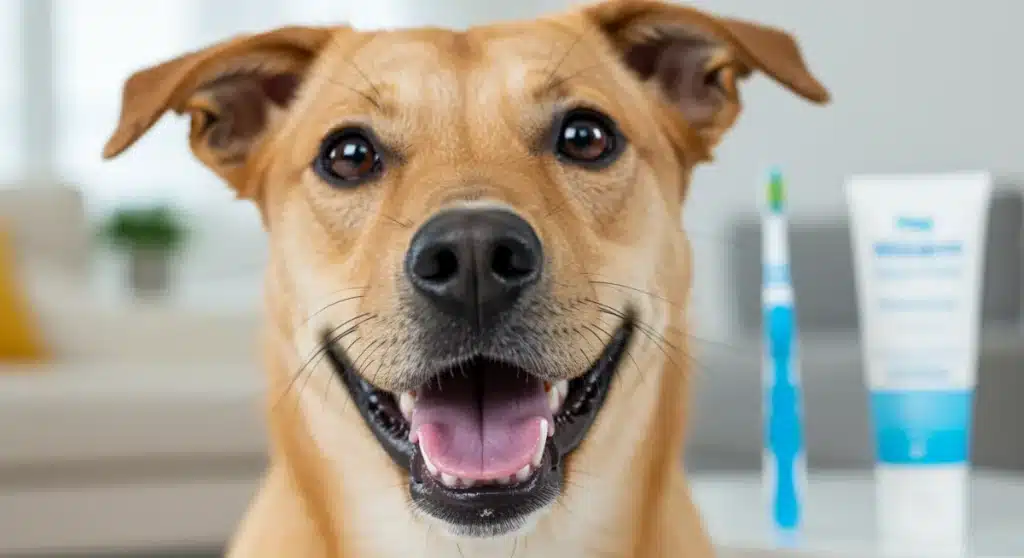
Having the right equipment makes the process smoother and more effective. You’ll need:
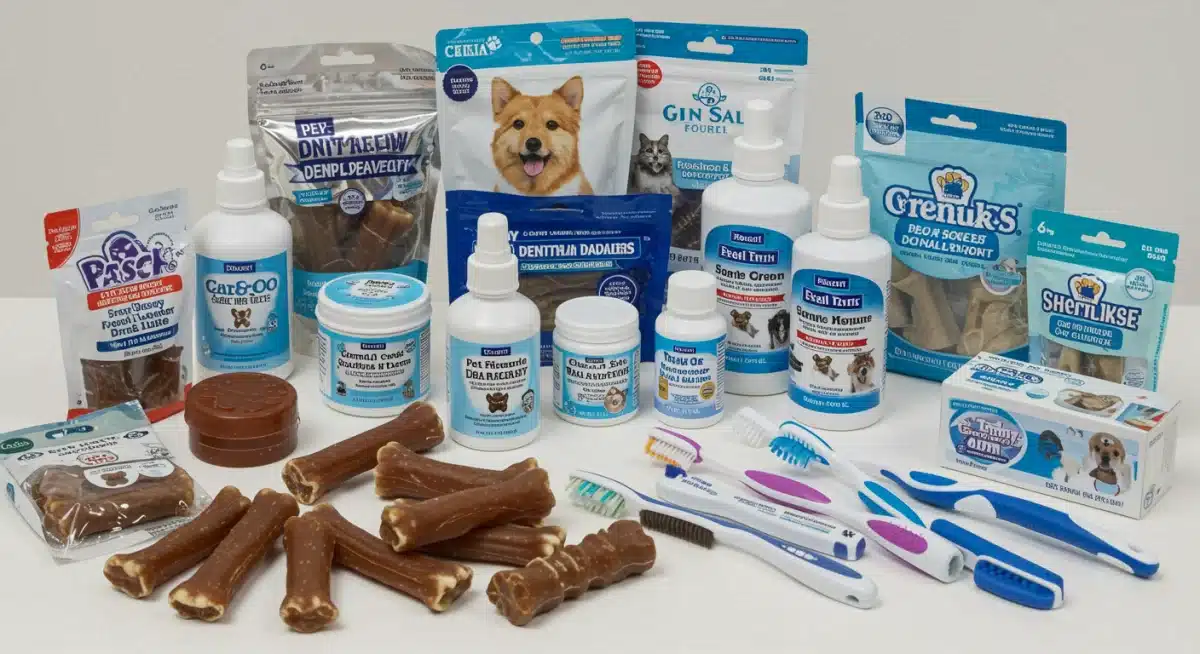
- Pet-Specific Toothbrush: Do NOT use human toothbrushes, as they can be too harsh. Options include:
- Finger brushes: Great for beginners and pets who are hesitant.
- Long-handled toothbrushes: Designed with angled heads to reach back teeth.
- Electric toothbrushes for pets: Can be very effective but require more training.
- Pet-Specific Toothpaste: This is CRITICAL. Human toothpaste contains fluoride and xylitol, which are toxic to pets. Pet toothpaste comes in flavors like poultry, beef, or peanut butter, making it more palatable for your furry friend.
- Dental Wipes (Optional): For quick clean-ups or for pets who absolutely refuse brushing. They offer less abrasive cleaning than a brush but are better than nothing.
- Dental Chews (Optional, but highly recommended): Look for VOHC (Veterinary Oral Health Council) approved products. These chews are scientifically proven to reduce plaque and tartar buildup.
- Water Additives (Optional): These can help reduce bacterial growth in your pet’s drinking water.
Keep all these items in an easily accessible place to streamline your daily routine.
Step 2: Introduction and Positive Reinforcement (2-3 minutes, initial training phase)
For pets new to dental care, this step is vital and might take longer initially. Patience and positive reinforcement are your best friends. The goal is to make this a positive experience, not a stressful one.
- Start Slow: Let your pet lick a small amount of pet toothpaste off your finger. Praise them and give them a treat. Repeat this for a few days.
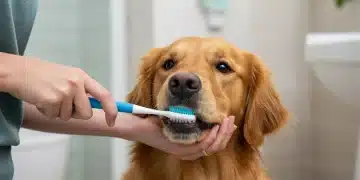
- Introduce the Brush/Finger Brush: Once they’re comfortable with the toothpaste, put a small amount on the finger brush or regular brush. Gently rub it along their gums and teeth for a few seconds. Focus on the outside surfaces first, as these are most prone to plaque.
- Short Sessions: Keep early sessions very short (10-20 seconds). Gradually increase the duration as your pet becomes more comfortable.
- Praise and Reward: Always end each session with praise, a favorite treat, or playtime. This positive association is key to long-term success in maintaining pet dental health.
Step 3: The Brushing Technique (5-7 minutes)
Once your pet is accustomed to the process, you can move to the full brushing technique. This is the cornerstone of effective pet dental health.
- Positioning: Find a comfortable position for both you and your pet. For smaller pets, you might hold them in your lap. For larger dogs, kneeling beside them or having them stand can work.
- Lift the Lip: Gently lift your pet’s upper lip to expose the teeth and gums.
- Angle the Brush: Hold the toothbrush at a 45-degree angle to the gum line.
- Gentle Circles: Using gentle circular motions, brush the outer surfaces of the teeth and gums. Focus on one section at a time, working your way around the mouth. Pay extra attention to the back molars, as these tend to accumulate the most plaque.
- Inner Surfaces (Optional but Recommended): Once your pet is very comfortable, you can try to brush the inner surfaces. However, most dental disease occurs on the outer surfaces, so prioritizing those is sufficient if your pet resists.
- Duration: Aim for at least 30 seconds per side, ideally two minutes total for the entire mouth. For a 10-minute routine, this leaves plenty of time for preparation and positive reinforcement.
- Consistency: Make it a daily habit, perhaps at the same time each day, so your pet learns to expect it.
Step 4: Supplemental Dental Care (1-2 minutes)
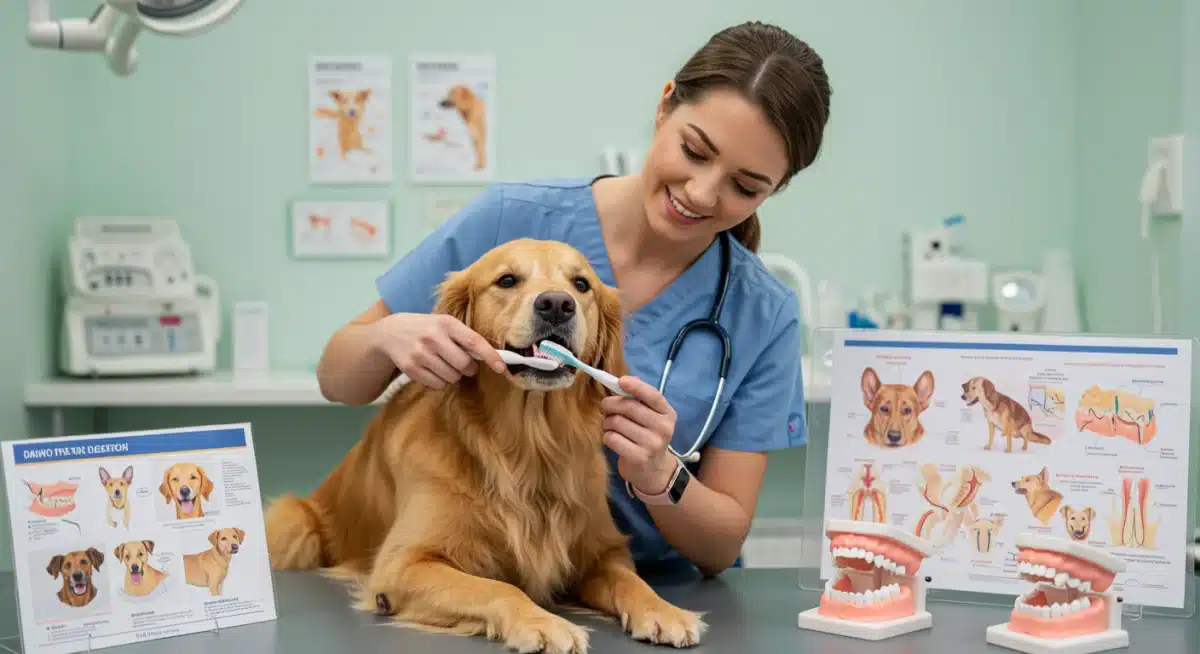
After brushing, you can incorporate additional pet dental health measures:
- Dental Chews: Offer a VOHC-approved dental chew as a reward. This not only reinforces positive behavior but also provides mechanical abrasion to help clean teeth.
- Water Additives: If using, add the recommended amount to your pet’s fresh drinking water. These typically contain ingredients that help reduce bacteria in the mouth.
- Oral Rinses/Gels: Some pets benefit from oral rinses or gels applied directly to the gums. Consult your vet for recommendations.
By combining brushing with these supplementary methods, you create a robust defense against plaque and tartar buildup, significantly boosting your pet dental health efforts.
Troubleshooting and Tips for Success with Pet Dental Health
Not every pet will take to brushing immediately. Here are some common challenges and how to overcome them:
- Resistance: If your pet resists, go back to basics. Focus on short, positive interactions with toothpaste. Try different flavors. Some pets prefer a finger brush over a traditional one.
- Fear/Anxiety: Never force the process. This can create a negative association. Work in a calm environment. Use calming pheromone sprays if necessary.
- Gingivitis/Bleeding Gums: If your pet’s gums bleed easily, they likely have gingivitis. Continue gentle brushing, as this will help reduce the inflammation. However, if bleeding is excessive or persistent, consult your vet.
- Bad Breath: While brushing helps, persistent bad breath can indicate underlying dental disease or other health issues. A vet check-up is recommended.
- Make it a Game: Integrate dental care into playtime. Some pets respond well to routines that feel less like a chore and more like engagement.
- Patience is Key: It might take weeks or even months for your pet to fully accept the routine. Don’t give up! Every little bit helps.
Beyond the Daily Routine: Professional Pet Dental Health Care
While a daily home care routine is incredibly effective, it doesn’t entirely replace professional veterinary dental cleanings. Think of it like this: you brush your teeth every day, but you still visit the dentist for check-ups and professional cleanings.
Why Professional Cleanings are Necessary:
- Subgingival Cleaning: Only a vet can clean below the gum line, where plaque and tartar cause the most damage. This requires general anesthesia to ensure your pet’s safety and comfort.
- Dental X-rays: X-rays reveal problems lurking beneath the gum line, such as bone loss, abscesses, and unerupted teeth, which are invisible during a conscious exam.
- Extractions: If teeth are severely diseased, they may need to be extracted to alleviate pain and prevent infection spread.
- Comprehensive Exam: During a professional cleaning, the vet can thoroughly examine each tooth and the entire oral cavity for signs of disease, tumors, or other abnormalities.
Your daily 10-minute pet dental health routine significantly extends the time between professional cleanings and reduces the severity of issues that might arise, potentially saving you money and your pet discomfort in the long run. Discuss with your veterinarian how often your pet needs a professional dental cleaning, as this can vary based on breed, age, and individual predisposition to dental disease.
The Long-Term Benefits of Excellent Pet Dental Health
Investing 10 minutes a day in your pet’s dental health yields incredible returns, impacting their overall well-being and your bond with them:
- Improved Overall Health: By preventing systemic infections caused by oral bacteria, you protect your pet’s heart, kidneys, and liver, contributing to a longer, healthier life.
- Pain-Free Living: Dental disease is painful. Regular care prevents chronic discomfort, allowing your pet to eat, play, and interact without pain.
- Better Breath: Say goodbye to ‘doggy breath’ or ‘kitty breath’! Good oral hygiene significantly reduces halitosis, making cuddle time more pleasant.
- Retained Teeth: Consistent brushing and professional care help your pet keep their natural teeth for longer, ensuring they can chew food properly.
- Reduced Vet Bills: Preventative care is almost always less expensive than treating advanced disease. By preventing 90% of common issues, you’ll likely save a significant amount on future veterinary bills.
- Stronger Bond: The daily routine becomes a bonding experience. It shows your pet you care about their comfort and health, strengthening your relationship.
Common Misconceptions About Pet Dental Health
Let’s address some common myths that can hinder effective pet dental health care:
Myth 1: Dry Food Cleans Teeth
While some specialized dental diets are designed to help reduce plaque, most standard dry kibble offers minimal dental benefit. It shatters too easily, providing insufficient abrasive action to clean the tooth surface effectively. Think of it like eating crackers to clean your teeth – it doesn’t work.
Myth 2: My Pet Doesn’t Need Dental Care Because They Don’t Eat Bones/Chew Toys
Chewing on appropriate items can help, but it’s rarely enough to prevent plaque and tartar buildup, especially on all tooth surfaces. Brushing is the gold standard.
Myth 3: Bad Breath is Normal for Pets
Absolutely not! Bad breath (halitosis) is almost always a sign of an underlying oral problem, most commonly dental disease. It’s a red flag that warrants attention.
Myth 4: Anesthesia is Too Risky for Dental Cleanings
While anesthesia always carries some risk, modern veterinary anesthesia protocols are extremely safe. Pre-anesthetic blood work, IV fluids, and continuous monitoring significantly minimize these risks. The risks of untreated dental disease, including chronic pain and systemic illness, far outweigh the risks of a properly administered anesthetic procedure.
Myth 5: My Pet is Too Old for Dental Care
Age is not a disease. Older pets can benefit immensely from dental care, often experiencing a renewed quality of life once painful dental issues are resolved. Your vet will assess your senior pet’s health to ensure they are a good candidate for any necessary procedures.
Making a Commitment to Your Pet’s Future
By committing to a 10-minute daily pet dental health routine, you’re not just brushing teeth; you’re investing in your pet’s long-term health, happiness, and comfort. You’re actively preventing pain and disease, and potentially adding years to their life. The goal of preventing 90% of common pet dental issues by 2026 is ambitious but entirely achievable with consistent effort from dedicated pet parents like you.
Start today. Gather your tools, introduce the routine slowly, and be consistent. Consult your veterinarian for personalized advice and to schedule regular dental check-ups. Together, we can ensure our beloved companions enjoy bright smiles and even brighter futures.
Remember, a healthy mouth is a gateway to a healthy body. Your pet depends on you for this vital care. Let’s make pet dental health a priority, one brush stroke at a time.