Advanced Pet Dental Care 2026: Preventing Periodontal Disease with Home Practices

Advanced Pet Dental Care 2026: Preventing Periodontal Disease with Home Practices
Ensuring Optimal Pet Dental Health for a Happier, Healthier Life
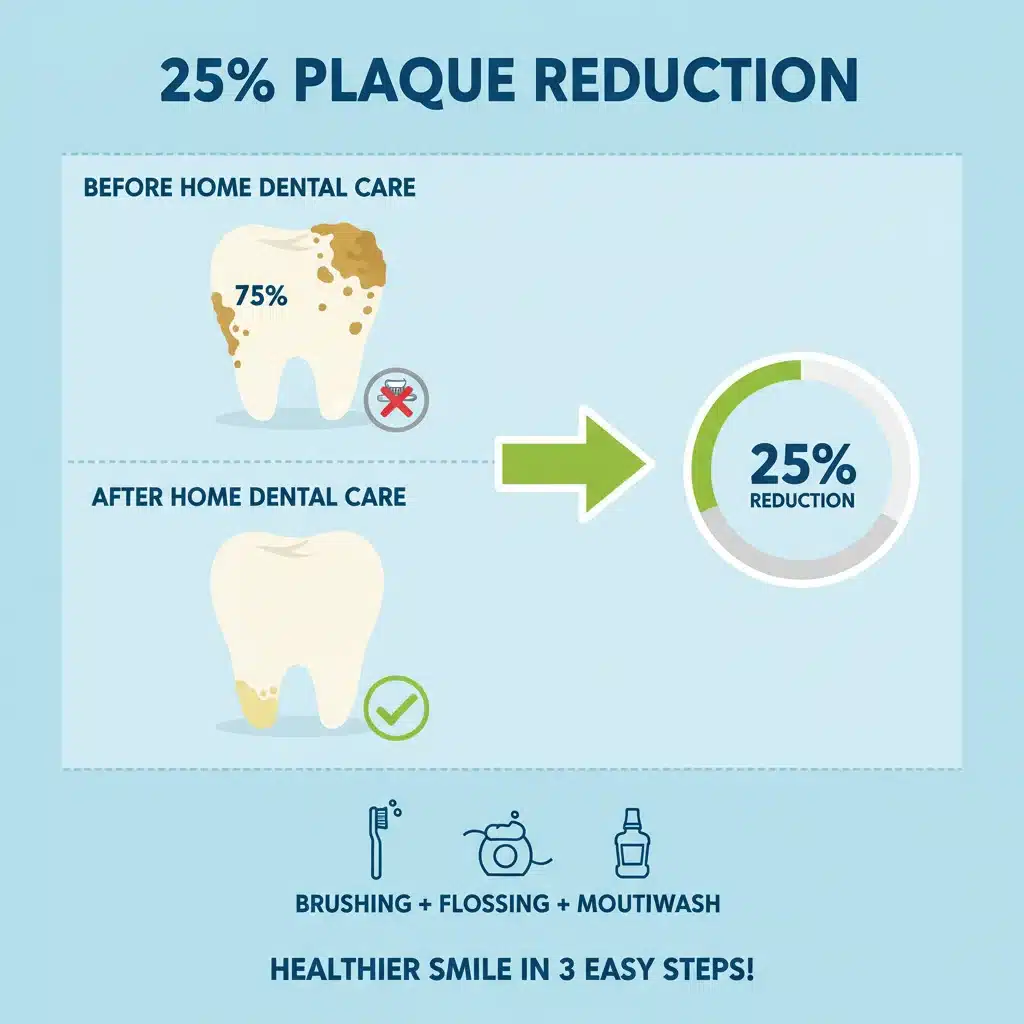
Welcome to 2026, where advancements in pet care continue to redefine how we ensure the well-being of our beloved animal companions. Among the myriad aspects of pet health, pet dental health stands out as a critical, yet often overlooked, component. Periodontal disease, a common and progressive condition, affects a staggering percentage of adult dogs and cats, leading not only to oral pain and tooth loss but also to systemic health issues impacting vital organs like the heart, kidneys, and liver. As pet owners, our commitment to their longevity and quality of life necessitates a proactive approach to their oral hygiene. This comprehensive guide will delve into the latest insights and provide actionable strategies to significantly improve your pet’s dental health, focusing on two highly effective home care practices proven to reduce plaque by an impressive 25%.
The landscape of pet care is ever-evolving, and dental care is no exception. While professional veterinary cleanings remain indispensable, the daily habits we cultivate at home play a pivotal role in preventing the onset and progression of periodontal disease. Ignoring your pet’s dental health is akin to neglecting your own; the consequences can be severe and costly. By understanding the underlying mechanisms of plaque formation and the development of periodontal disease, we can better equip ourselves with the knowledge and tools to combat this silent threat. Our focus for 2026 is not just about reacting to problems but about establishing a preventative regimen that ensures optimal pet dental health from the outset.
This article aims to empower pet owners with practical, evidence-based methods that integrate seamlessly into daily routines. We will explore the science behind plaque reduction and why these specific home care practices are so effective. Beyond the immediate benefits of a cleaner mouth, improved pet dental health translates to better overall health, increased comfort, and a longer, happier life for your furry friend. Join us as we uncover the secrets to maintaining sparkling smiles and robust health for your pets in the year 2026 and beyond.
Understanding Periodontal Disease: The Silent Threat to Pet Dental Health
Before we dive into preventative measures, it’s crucial to grasp the enemy we’re fighting: periodontal disease. This condition isn’t just about bad breath; it’s a progressive inflammation and infection of the tissues surrounding the teeth. It begins subtly with plaque, a sticky film of bacteria, food particles, and saliva that constantly forms on your pet’s teeth. If not removed, plaque hardens into tartar (calculus), which is much more difficult to remove and provides an ideal surface for more plaque to accumulate. The accumulation of plaque and tartar above and below the gumline irritates the gums, leading to gingivitis – an early, reversible stage of periodontal disease characterized by red, swollen, and bleeding gums.
If gingivitis is left untreated, the inflammation progresses, causing the gums to detach from the teeth, forming pockets. These pockets become breeding grounds for bacteria, leading to infection and further destruction of the supporting structures of the teeth, including the bone. This advanced stage is irreversible and can result in significant pain, tooth mobility, and ultimately, tooth loss. Moreover, the bacteria from these oral infections can enter the bloodstream, traveling to distant organs and potentially causing serious health problems such as heart valve infections, kidney disease, and liver issues. This systemic impact underscores why maintaining excellent pet dental health is not just about their mouth, but their entire body.
The unfortunate reality is that many pet owners only recognize the problem when it’s already advanced. Signs of periodontal disease can include persistent bad breath, difficulty eating, pawing at the mouth, bleeding gums, loose teeth, and changes in behavior (e.g., reluctance to play with toys). However, pets are incredibly adept at hiding pain, so often by the time these symptoms are noticed, the disease has progressed significantly. This highlights the importance of regular veterinary check-ups, which include a thorough oral examination, and consistent home care. Early detection and intervention are key to managing and preventing the severe consequences of this widespread condition. Understanding the stages and implications of periodontal disease is the first step towards prioritizing your pet’s dental needs and implementing effective preventative strategies.
The Importance of Proactive Pet Dental Health in 2026
In 2026, the focus on preventative medicine in veterinary care has never been stronger, and pet dental health is at the forefront of this movement. The shift from reactive treatment to proactive prevention is driven by a deeper understanding of the long-term benefits for pets and their owners. Proactive dental care not only saves your pet from pain and discomfort but also saves you from potentially expensive and invasive veterinary procedures down the line. A healthy mouth contributes significantly to a pet’s overall quality of life, allowing them to eat comfortably, play without pain, and enjoy a vibrant existence.
Consider the cumulative effect of daily plaque accumulation. Without intervention, this sticky film quickly transforms into hard tartar, creating a rough surface that attracts even more bacteria. This vicious cycle rapidly accelerates the progression of periodontal disease. By implementing proactive home care practices, we interrupt this cycle, significantly reducing bacterial load and preventing the calcification of plaque into tartar. This preventative approach is far more effective and less stressful for your pet than addressing advanced dental disease, which often requires general anesthesia for thorough cleaning, extractions, and potentially complex surgical procedures.
Furthermore, the link between oral health and systemic health is now more widely recognized and emphasized by veterinary professionals. Chronic inflammation and infection in the mouth can place a constant strain on your pet’s immune system, making them more susceptible to other illnesses. The bacteria from severe periodontal disease can enter the bloodstream and spread to vital organs, potentially causing irreversible damage. Therefore, prioritizing pet dental health is an investment in your pet’s entire body, safeguarding their heart, kidneys, and liver from potential complications. As we move further into 2026, embracing proactive dental care is not just a recommendation; it’s a fundamental responsibility for every pet owner committed to their companion’s long-term well-being.
Proven Practice 1: Daily Brushing for Superior Plaque Reduction
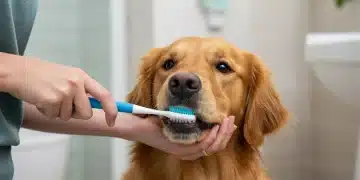
Among all home care practices, daily tooth brushing remains the gold standard for maintaining optimal pet dental health. Research consistently shows that mechanical removal of plaque through brushing is the most effective way to prevent its accumulation and the subsequent formation of tartar and development of periodontal disease. Studies, including those referenced in veterinary dental journals, have demonstrated that consistent daily brushing can reduce plaque by up to 25% or even more, significantly impacting your pet’s oral hygiene.
Why Daily Brushing is So Effective
The efficacy of brushing lies in its ability to physically disrupt the bacterial film (plaque) before it has a chance to mineralize into tartar. Plaque is soft and easily removed within the first 24-48 hours of its formation. Once it hardens into tartar, it requires professional scaling by a veterinarian. Daily brushing effectively removes plaque from the tooth surfaces and along the gumline, where periodontal disease typically begins. It also stimulates gum circulation and helps to remove food debris that could otherwise contribute to bacterial growth.
Getting Started with Brushing
- Choose the Right Tools: Invest in a pet-specific toothbrush (designed to fit your pet’s mouth and teeth) and pet toothpaste. NEVER use human toothpaste, as it contains ingredients like fluoride and xylitol that are toxic to pets. Pet toothpastes come in appealing flavors like poultry or beef, making the experience more pleasant for your pet.
- Start Slowly and Positively: Introduce brushing gradually. Begin by letting your pet lick a small amount of pet toothpaste off your finger. Once they are comfortable, gently rub a finger over their gums and teeth.
- Progress to the Brush: Once your pet accepts your finger in their mouth, introduce the toothbrush with a tiny amount of toothpaste. Focus on brushing the outsides of the teeth, especially the canine teeth and the large molars in the back, as these tend to accumulate the most plaque.
- Short and Sweet Sessions: Aim for short, positive brushing sessions (30 seconds to 2 minutes), especially initially. Reward your pet with praise and a small treat afterward to create a positive association.
- Consistency is Key: The most important aspect is consistency. Daily brushing is ideal. If daily isn’t feasible, aim for at least every other day to significantly impact plaque reduction and maintain good pet dental health.
Even if your pet is resistant at first, patience and positive reinforcement can turn brushing into a routine they tolerate, or even enjoy. Remember, even a little brushing is better than none. Incorporating this simple yet powerful practice into your daily routine is a cornerstone of advanced pet dental care in 2026.

Proven Practice 2: Veterinary Oral Health Council (VOHC) Approved Dental Chews and Diets
While daily brushing is paramount, supplementing with Veterinary Oral Health Council (VOHC) approved dental chews and specialized diets offers another scientifically backed method to significantly improve pet dental health, contributing to that crucial 25% plaque reduction. The VOHC is an independent organization that awards its seal of acceptance to products that meet pre-set standards of plaque and tartar retardation in dogs and cats. This seal is your assurance that a product has been clinically proven to be effective.
How VOHC-Approved Products Work
VOHC-approved dental chews and diets work through various mechanisms to reduce plaque and tartar:
- Mechanical Abrasion: Many dental chews and kibbles are designed with a specific shape, texture, and size that helps to scrub the tooth surface as the pet chews or eats. This mechanical action physically removes plaque before it can harden.
- Chemical Agents: Some products contain active ingredients that help to reduce bacterial growth or prevent plaque from adhering to the tooth surface. These might include polyphosphates, zinc, or other compounds known for their anti-plaque properties.
- Increased Chewing Time: Dental diets often have larger kibble sizes or unique textures that encourage longer chewing times. This extended chewing not only provides more mechanical cleaning but also stimulates saliva production, which helps to rinse the mouth and neutralize acids.
Integrating VOHC Products into Your Pet’s Routine
- Select VOHC-Approved Products: Always look for the VOHC seal on product packaging. This ensures the product has undergone rigorous testing and has been proven effective. Categories include dental diets, water additives, dental chews, and oral rinses.
- Choose Appropriately for Your Pet: Consider your pet’s size, chewing habits, and any dietary restrictions when selecting a product. For instance, some chews are softer for older pets or those with sensitive teeth, while others are more robust for strong chewers.
- Follow Manufacturer Guidelines: Adhere to the recommended feeding or administration instructions. Over-feeding dental chews can lead to weight gain, and incorrect use of water additives may reduce their efficacy.
- Complement, Don’t Replace: VOHC-approved products are excellent supplements to daily brushing, but they are not a substitute for it. The most comprehensive pet dental health plan combines both mechanical brushing and effective dental diets/chews.
By incorporating VOHC-approved dental chews or a specialized dental diet, you add a powerful layer of protection against plaque and tartar accumulation. This dual approach, combining daily brushing with proven dental products, creates a formidable defense against periodontal disease, significantly contributing to the overall health and longevity of your pet.
The Synergistic Effect: Combining Practices for Maximum Pet Dental Health
While daily brushing and VOHC-approved products are individually effective, their true power in maintaining exceptional pet dental health lies in their synergistic application. Combining these two proven home care practices creates a comprehensive defense mechanism against plaque and tartar accumulation, amplifying the benefits and leading to even greater reductions in the risk of periodontal disease. Think of it as a multi-pronged attack on oral bacteria, where each method complements and reinforces the other.
Daily brushing provides the most direct and thorough mechanical removal of plaque from the tooth surfaces and gumline. It’s hands-on and precise, ensuring that the most vulnerable areas are addressed. However, pets may not always be cooperative for every angle, and some areas can be challenging to reach even with the best technique. This is where VOHC-approved dental chews and diets step in. These products work continuously throughout the day, providing additional mechanical abrasion with every bite or chew, reaching areas that might be missed during brushing. Furthermore, the active ingredients in some VOHC products can help inhibit bacterial growth or plaque adhesion, offering a chemical layer of defense.
The combined effect is greater than the sum of its parts. Regular brushing keeps the primary surfaces clean, while dental chews and diets work to maintain overall oral hygiene, reduce bacterial load, and provide continuous plaque control. This integrated approach ensures that your pet’s mouth is consistently being cleaned and protected, leading to a significantly healthier oral environment. This holistic strategy not only helps in achieving the proven 25% plaque reduction but also optimizes the chances of preventing more severe dental issues. As pet owners in 2026, embracing this synergistic approach is key to providing the highest standard of pet dental health for our furry companions.
Beyond Home Care: The Role of Professional Veterinary Dental Cleanings
While home care practices are undeniably crucial for maintaining pet dental health, they are not a complete substitute for professional veterinary dental cleanings. Just as humans require regular dental check-ups and cleanings, so do our pets. Professional cleanings, performed under general anesthesia, allow the veterinarian to conduct a thorough examination of the entire oral cavity, including areas that are difficult to assess in an awake pet. This includes probing for periodontal pockets, taking dental X-rays to evaluate the health of the tooth roots and bone structure below the gumline, and identifying any hidden issues like abscesses or impacted teeth.
During a professional cleaning, the veterinarian or veterinary technician uses specialized ultrasonic scalers and hand instruments to meticulously remove all plaque and tartar from above and, critically, below the gumline. This subgingival cleaning is impossible to achieve with home brushing and is essential for preventing the progression of periodontal disease. After scaling, the teeth are polished to smooth out any microscopic etches in the enamel, making it harder for plaque to adhere. Any necessary extractions or other dental procedures are also performed at this time, addressing issues that home care cannot resolve.
The frequency of professional cleanings depends on your pet’s individual needs, breed predisposition, and the effectiveness of your home care routine. Some pets may require annual cleanings, while others with excellent home care might only need them every few years. Your veterinarian will be able to recommend a personalized schedule based on their assessment. Integrating professional cleanings with diligent home care creates the most robust defense against periodontal disease, ensuring comprehensive pet dental health and contributing significantly to your pet’s overall well-being and longevity. In 2026, the collaboration between pet owners and veterinary professionals forms the cornerstone of advanced pet dental care.
Addressing Common Challenges and Misconceptions in Pet Dental Health
Despite the growing awareness, several challenges and misconceptions often hinder effective pet dental health maintenance. One common challenge is pet resistance to brushing. Many owners give up quickly if their pet shows reluctance. However, with patience, positive reinforcement, and gradual introduction, most pets can learn to tolerate or even enjoy brushing. Starting when they are young puppies or kittens is ideal, but older pets can also be trained. Persistence and making the experience positive with treats and praise are key.
Another misconception is that hard kibble alone cleans teeth. While some specialized dental diets provide mechanical abrasion, regular dry kibble does not effectively clean teeth. It shatters upon impact, offering minimal scrubbing action. Similarly, many seemingly ‘dental’ treats sold in stores lack the VOHC seal, meaning they haven’t been scientifically proven to reduce plaque or tartar. Always look for the VOHC seal to ensure efficacy.
Some owners also believe that bad breath is normal for pets. While a slight ‘doggy’ or ‘catty’ breath might be common, truly foul breath (halitosis) is a strong indicator of underlying dental disease or other health issues. It should never be ignored and warrants a veterinary examination. Delaying dental care due to cost concerns is another challenge. However, the cost of preventative care and early intervention is almost always significantly less than treating advanced periodontal disease, which can involve multiple extractions, pain management, and potential complications from systemic infections.
Finally, a common myth is that small breeds are more prone to dental disease simply because of their size. While it’s true that small breeds often have crowded teeth and a higher incidence of dental issues, the underlying cause is often genetic predisposition combined with lack of adequate home care. All breeds, regardless of size, require consistent dental attention. Awareness and proactive education are vital in overcoming these hurdles and ensuring that every pet benefits from optimal pet dental health practices in 2026.
The Future of Pet Dental Health: Innovations and Continued Research in 2026
As we navigate through 2026, the field of pet dental health continues to evolve with exciting innovations and ongoing research. These advancements promise even more effective ways to prevent and treat periodontal disease, making it easier for pet owners to maintain their companions’ oral hygiene. One area of significant development is in advanced diagnostic tools. New imaging techniques, such as cone-beam computed tomography (CBCT), are becoming more accessible, providing highly detailed 3D views of the oral cavity and surrounding structures. This allows veterinarians to detect subtle bone loss, root resorption, and other pathologies that might be missed with traditional dental X-rays, leading to earlier and more precise interventions.
Therapeutic advancements are also on the horizon. Research into novel antimicrobial agents and targeted therapies for oral bacteria aims to offer more specific and potent treatments for infections. Regenerative medicine, including the use of stem cells and growth factors, is being explored for its potential to repair damaged periodontal tissues and regenerate lost bone, offering hope for pets with advanced periodontal disease. Furthermore, the development of improved dental sealants and barrier materials could provide longer-lasting protection against plaque adhesion, especially after professional cleanings.<
In the realm of home care, expect to see smarter dental products. This includes chews with enhanced formulations for sustained release of active ingredients, and even ‘smart’ toothbrushes with sensors that guide owners to more effective brushing techniques. Continued research into the oral microbiome is also shedding light on the complex ecosystem within a pet’s mouth, potentially leading to probiotic supplements or diets designed to promote a healthier balance of oral bacteria. These innovations, combined with a steadfast commitment to current best practices, paint a promising picture for the future of pet dental health, ensuring our pets can enjoy healthier, pain-free lives for many years to come.
Conclusion: A Brighter Future for Pet Dental Health in 2026
As we conclude our exploration of advanced pet dental health for 2026, it’s clear that the path to a healthier, happier pet is paved with proactive and consistent oral care. Periodontal disease, while prevalent, is largely preventable and manageable with the right strategies. By understanding its progression and implementing proven home care practices, we can significantly reduce its impact on our beloved companions.
The two home care practices highlighted – daily tooth brushing and the strategic use of VOHC-approved dental chews and diets – are not just recommendations; they are scientifically backed methods proven to reduce plaque by 25% or more. When combined, their synergistic effect provides a robust defense against the bacterial onslaught that leads to periodontal disease. These practices, integrated into a routine of positive reinforcement and patience, become powerful tools in your pet’s overall health arsenal.
However, it’s crucial to remember that home care is part of a comprehensive approach. Regular professional veterinary dental cleanings remain an indispensable component, allowing for thorough examinations, subgingival scaling, and addressing issues beyond the scope of home care. The collaboration between dedicated pet owners and knowledgeable veterinary professionals is the cornerstone of optimal pet dental health.
In 2026 and beyond, let us commit to prioritizing our pets’ oral hygiene. By embracing these advanced strategies, debunking common myths, and staying informed about emerging innovations, we can ensure our furry family members enjoy comfortable mouths, fresh breath, and, most importantly, a healthier, longer, and more joyful life free from the pain and systemic complications of dental disease. Your pet’s sparkling smile is a reflection of your commitment to their well-being. Invest in their pet dental health today for a brighter tomorrow.