Decoding Your Pet’s Blood Work: 4 Key Health Markers to Watch Annually in 2026
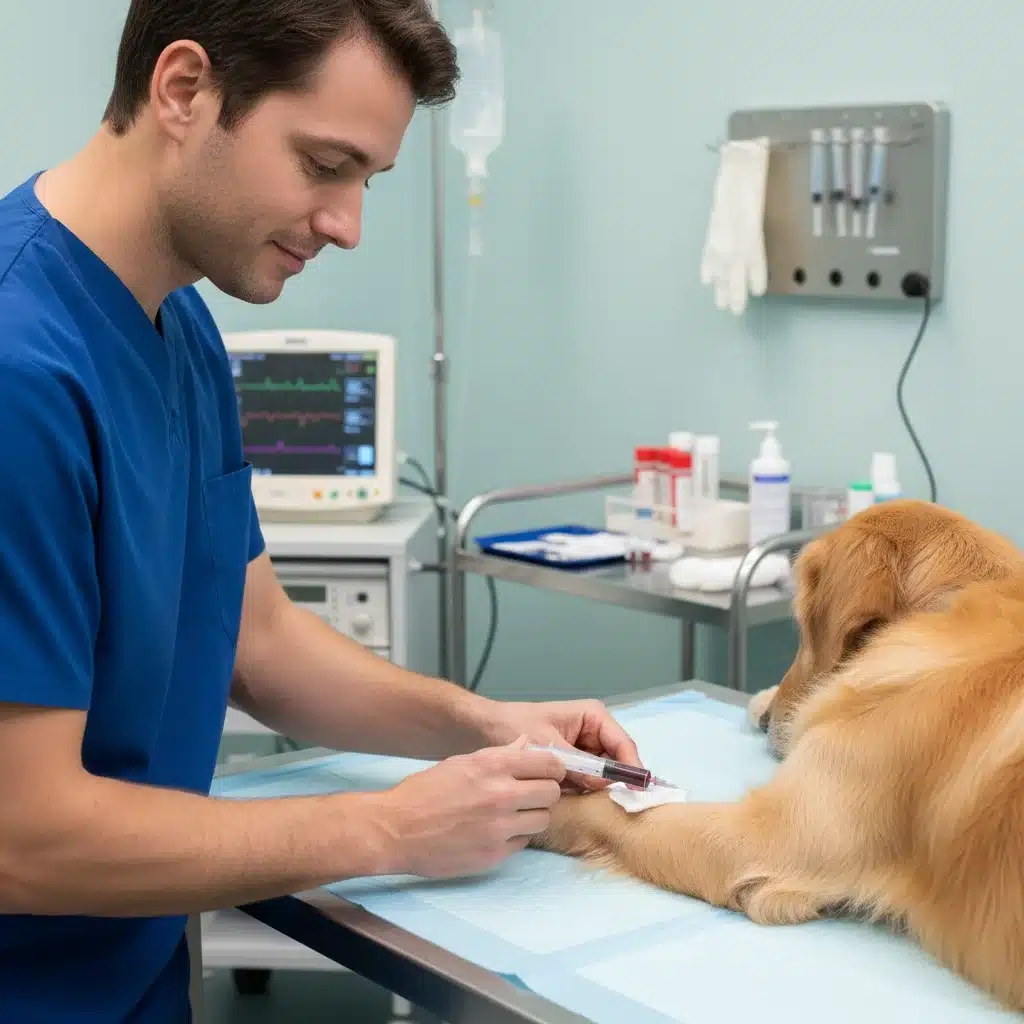
As loving pet owners, we strive to provide the best possible care for our furry, feathered, or scaled companions. This commitment extends beyond daily walks and nutritious meals; it encompasses proactive healthcare, with annual veterinary check-ups forming the cornerstone of preventive medicine. One of the most vital components of these check-ups, often overlooked or misunderstood, is the annual pet blood work. For 2026 and beyond, understanding your pet’s blood work is paramount to ensuring their long-term health and catching potential issues before they become serious.
Many pet parents view blood tests as something only necessary when their pet is sick. However, annual pet blood work serves as a crucial diagnostic tool, providing an invaluable snapshot of your pet’s internal health. It allows your veterinarian to detect subtle changes that might not be apparent during a physical examination, establish baseline values for your pet, and monitor the progression of existing conditions. Think of it as a detailed internal report card for your beloved companion.
This comprehensive guide will delve into the world of pet blood work, focusing on four key health markers every pet owner should be aware of. We’ll break down what these tests measure, what normal ranges generally indicate, and what abnormal results might signify. Our goal is to empower you with the knowledge to actively participate in your pet’s healthcare decisions, making you a more informed and effective advocate for their well-being.
The Importance of Annual Pet Blood Work: A 2026 Perspective
In today’s advanced veterinary landscape, preventive care is more sophisticated than ever. Annual pet blood work is no longer just a recommendation; it’s an essential practice for maintaining optimal pet health. As our pets age, they become more susceptible to various health conditions, many of which can be managed or even cured if detected early. Blood tests provide an early warning system, often identifying problems long before clinical signs appear.
Consider the analogy of a car’s dashboard. Just as warning lights alert you to potential engine problems, your pet’s blood work can flag internal issues. Without this diagnostic tool, conditions like kidney disease, liver dysfunction, diabetes, or even certain cancers could progress silently, causing significant damage before any outward symptoms manifest. By the time symptoms become obvious, the condition may be more advanced and potentially harder to treat.
Moreover, establishing baseline blood values when your pet is young and healthy is incredibly beneficial. These baseline results serve as a personal reference point for your pet throughout their life. If subsequent blood tests show deviations from these baselines, even if they are still within the ‘normal’ population range, it can alert your veterinarian to a subtle change specific to your pet. This individualized approach to healthcare is a cornerstone of modern veterinary medicine and helps tailor treatment plans more effectively.
For senior pets, annual or even bi-annual pet blood work becomes even more critical. Older animals are more prone to age-related diseases, and regular monitoring can help manage chronic conditions, adjust medications, and improve their quality of life significantly. In 2026, with increasing lifespans for pets and a greater understanding of geriatric veterinary care, routine blood screenings are indispensable for senior pet wellness.
Key Health Marker 1: The Complete Blood Count (CBC)
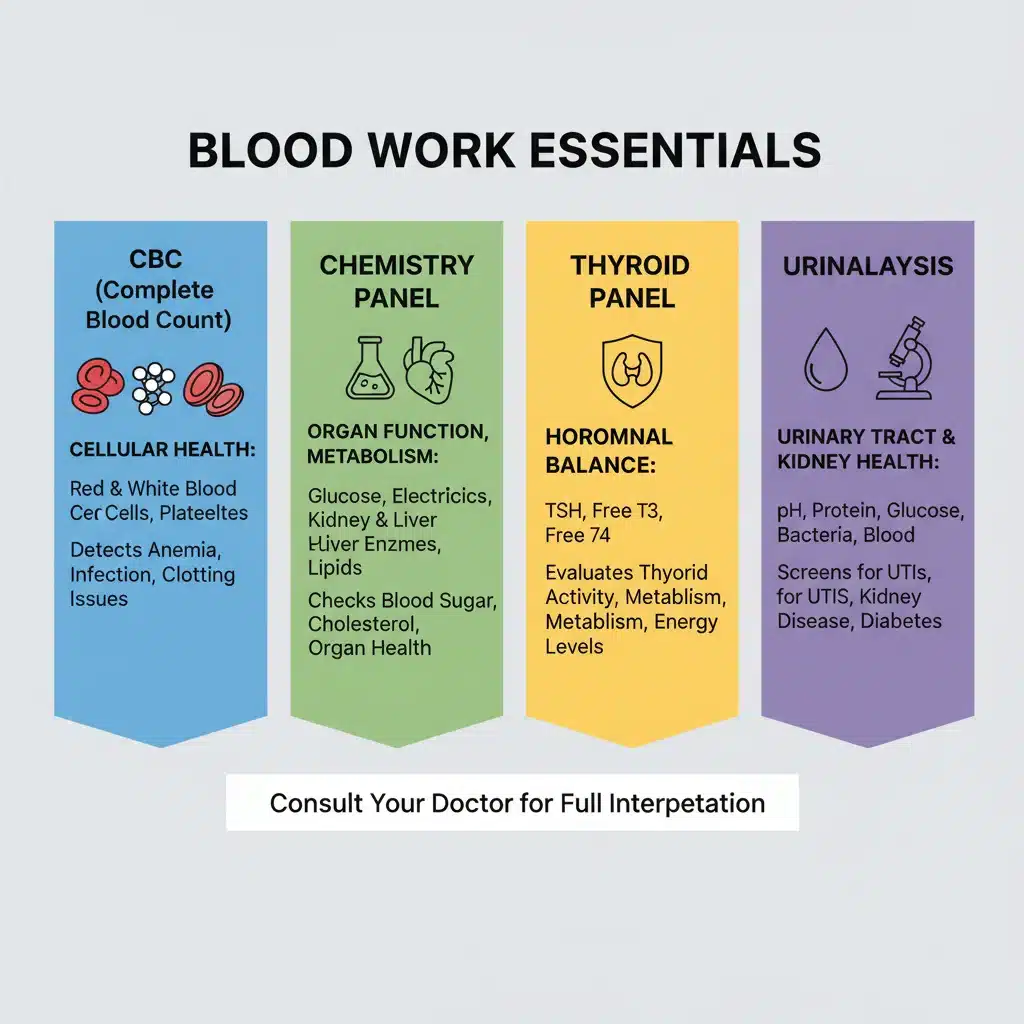
The Complete Blood Count, or CBC, is perhaps one of the most fundamental and informative tests included in routine pet blood work. It provides a detailed look at the cellular components of your pet’s blood, offering insights into their overall health, immune system function, and oxygen-carrying capacity. A CBC typically measures red blood cells, white blood cells, and platelets.
Red Blood Cells (RBCs) and Hemoglobin
Red blood cells are responsible for carrying oxygen from the lungs to the rest of the body and transporting carbon dioxide back to the lungs. Hemoglobin, a protein within RBCs, is what actually binds to the oxygen. The CBC measures several parameters related to RBCs, including:
- Red Blood Cell Count (RBC): The total number of red blood cells.
- Hemoglobin (HGB): The amount of oxygen-carrying protein in the blood.
- Hematocrit (HCT) or Packed Cell Volume (PCV): The percentage of blood volume occupied by red blood cells.
What normal ranges mean: Healthy levels indicate adequate oxygen transport throughout the body.
What abnormal results might signify:
- Low RBC, HGB, or HCT (Anemia): Can indicate blood loss (e.g., from parasites, injury, internal bleeding), nutritional deficiencies (iron), chronic disease (kidney failure), bone marrow issues, or destruction of red blood cells (autoimmune disease). Symptoms might include lethargy, pale gums, and weakness.
- High RBC, HGB, or HCT (Polycythemia): Less common, but can indicate dehydration (most often), or a rare bone marrow disorder.
White Blood Cells (WBCs)
White blood cells are the body’s defenders, playing a crucial role in the immune system. The CBC not only measures the total white blood cell count but also differentiates between the different types of WBCs, each with a specific function:
- Neutrophils: Primarily fight bacterial infections and inflammation.
- Lymphocytes: Involved in immune responses, including fighting viral infections and producing antibodies.
- Monocytes: Clean up cellular debris and are involved in chronic inflammation.
- Eosinophils: Respond to allergic reactions and parasitic infections.
- Basophils: The least common type, also involved in allergic reactions.
What normal ranges mean: A balanced white blood cell count indicates a healthy immune system.
What abnormal results might signify:
- High WBC count (Leukocytosis): Often indicates infection (bacterial, viral, fungal), inflammation, stress, or certain types of cancer (leukemia). Specific increases in certain WBC types can pinpoint the cause (e.g., high neutrophils for bacterial infection, high eosinophils for allergies or parasites).
- Low WBC count (Leukopenia): Can indicate severe infection (where the body’s immune system is overwhelmed), bone marrow suppression (due to certain medications or diseases), or some viral infections.
Platelets
Platelets are tiny cell fragments essential for blood clotting. They help stop bleeding by forming a plug at the site of injury.
What normal ranges mean: Adequate platelet numbers ensure proper blood clotting.
What abnormal results might signify:
- Low Platelet Count (Thrombocytopenia): Can lead to excessive bleeding or bruising. Causes include autoimmune diseases, certain infections, some medications, bone marrow problems, or severe blood loss.
- High Platelet Count (Thrombocytosis): Less common, but can be seen with chronic inflammation, certain cancers, or after severe blood loss.
Key Health Marker 2: The Chemistry Panel (Blood Chemistry)
The Chemistry Panel, also known as a blood chemistry profile or biochemical profile, is a comprehensive test that assesses the function of various organs and systems in your pet’s body. It measures levels of enzymes, proteins, electrolytes, and metabolites, providing critical information about kidney, liver, pancreatic, and metabolic health. This is a powerful tool in pet blood work for early disease detection.
Kidney Function Markers
The kidneys play a vital role in filtering waste products from the blood. Key markers include:
- Blood Urea Nitrogen (BUN): A waste product from protein metabolism, filtered by the kidneys.
- Creatinine (CREA): A waste product from muscle metabolism, also filtered by the kidneys.
- Symmetric Dimethylarginine (SDMA): A newer, highly sensitive marker that can detect kidney disease much earlier than BUN and CREA, sometimes before 75% of kidney function is lost.
What normal ranges mean: Healthy BUN, CREA, and SDMA levels indicate proper kidney function.
What abnormal results might signify:
- Elevated BUN, CREA, and/or SDMA: Strongly suggests kidney dysfunction or disease. This can be due to acute kidney injury, chronic kidney disease, dehydration, or urinary obstruction. Early detection through annual pet blood work is crucial for managing kidney disease and improving prognosis.
Liver Function Markers
The liver is a complex organ involved in detoxification, metabolism, and protein synthesis. Key markers include:
- Alanine Aminotransferase (ALT): An enzyme primarily found in liver cells. Elevated levels indicate liver cell damage.
- Alkaline Phosphatase (ALP): An enzyme found in various tissues, including the liver and bones. Elevated levels can indicate liver disease, Cushing’s disease, or bone growth.
- Bilirubin: A byproduct of red blood cell breakdown, processed by the liver. Elevated levels can indicate liver disease or excessive red blood cell destruction.
- Albumin: A protein produced by the liver, essential for maintaining fluid balance and transporting substances. Low levels can indicate liver disease, kidney disease, or malnutrition.
What normal ranges mean: Balanced levels suggest a healthy, functioning liver.
What abnormal results might signify:
- Elevated ALT, ALP, or Bilirubin, or low Albumin: Can point to liver inflammation, damage, disease (e.g., hepatitis, fatty liver), exposure to toxins, or certain medications. Further diagnostics are usually recommended to pinpoint the exact cause.
Blood Glucose (Sugar)
Glucose is the body’s primary source of energy. Its levels are regulated by hormones like insulin.
What normal ranges mean: Stable glucose levels indicate proper metabolic function.
What abnormal results might signify:
- High Glucose (Hyperglycemia): Can be a sign of diabetes mellitus, stress, or pancreatic issues.
- Low Glucose (Hypoglycemia): Less common but can indicate severe liver disease, certain tumors, or an insulin overdose in diabetic pets.
Electrolytes
Electrolytes (e.g., sodium, potassium, chloride) are minerals essential for nerve and muscle function, hydration, and maintaining acid-base balance.
What normal ranges mean: Balanced electrolyte levels are crucial for overall bodily function.
What abnormal results might signify:
- Imbalances: Can indicate dehydration, kidney disease, Addison’s disease, vomiting, diarrhea, or other metabolic disturbances.
Key Health Marker 3: Thyroid Hormone Levels
Thyroid hormones, produced by the thyroid gland, regulate metabolism throughout the body. Imbalances in these hormones can have widespread effects on a pet’s health. Testing thyroid levels is a critical part of comprehensive pet blood work, especially for certain breeds and age groups.
Thyroid Function in Dogs
Dogs commonly suffer from hypothyroidism, a condition where the thyroid gland produces insufficient thyroid hormones.
- Total T4 (Thyroxine): The most common screening test for hypothyroidism in dogs.
- Free T4 (FT4) and TSH (Thyroid-Stimulating Hormone): Often used in conjunction with T4 for a more definitive diagnosis, especially if T4 results are borderline or other conditions are suspected.
What normal ranges mean: Appropriate T4 levels indicate normal thyroid function.
What abnormal results might signify:
- Low T4 (Hypothyroidism): Common in middle-aged to older dogs. Symptoms include weight gain, lethargy, hair loss (especially on the flanks and tail), cold intolerance, and dull coat. Hypothyroidism is manageable with daily medication.
Thyroid Function in Cats
Cats, particularly senior cats, are more prone to hyperthyroidism, a condition where the thyroid gland produces an excessive amount of thyroid hormones.
- Total T4 (Thyroxine): The primary screening test for hyperthyroidism in cats.
What normal ranges mean: Healthy T4 levels ensure a balanced metabolism.
What abnormal results might signify:
- High T4 (Hyperthyroidism): Very common in older cats. Symptoms include weight loss despite a ravenous appetite, increased thirst and urination, hyperactivity, vomiting, diarrhea, and a poor coat. Untreated hyperthyroidism can lead to serious heart and kidney problems. It is treatable with medication, diet, or radioactive iodine therapy.
Given the prevalence of thyroid disorders in both dogs and cats, especially as they age, including thyroid panels in annual pet blood work is highly recommended for early detection and intervention.
Key Health Marker 4: Urinalysis (Urine Test)
While not strictly a ‘blood’ test, a urinalysis is often performed alongside pet blood work as a fundamental part of a complete diagnostic profile. It provides vital information about kidney function, urinary tract health, and can even reveal systemic diseases like diabetes. A urinalysis typically involves three main parts: physical examination, chemical analysis, and microscopic examination.
Physical Examination of Urine
This assesses the urine’s appearance:
- Color: Normal urine is typically yellow. Abnormal colors (e.g., dark yellow, orange, red, brown) can indicate dehydration, liver issues, or blood in the urine.
- Clarity/Turbidity: Normal urine is clear. Cloudy urine can indicate the presence of cells, crystals, bacteria, or mucus.
- Specific Gravity (USG): Measures the concentration of the urine. It indicates the kidneys’ ability to concentrate or dilute urine.
What normal ranges mean: A healthy color, clarity, and appropriate specific gravity (neither too dilute nor too concentrated) suggest proper kidney function and hydration.
What abnormal results might signify:
- Low USG (Dilute Urine): Can indicate kidney disease, diabetes insipidus, Cushing’s disease, or over-hydration.
- High USG (Concentrated Urine): Can indicate dehydration.
Chemical Analysis (Dipstick Test)
A dipstick is used to test for various chemical components in the urine:
- pH: Measures acidity or alkalinity. Abnormal pH can indicate urinary tract infection (UTI) or stone formation.
- Protein: Small amounts can be normal, but high levels can indicate kidney disease, inflammation, or infection.
- Glucose: Should not be present in urine. Its presence almost always indicates diabetes mellitus.
- Ketones: Should not be present. Can indicate uncontrolled diabetes or starvation.
- Blood: Its presence indicates bleeding in the urinary tract, which can be due to infection, stones, trauma, or tumors.
- Bilirubin: Small amounts can be normal in dogs, but any amount in cats is concerning for liver disease or red blood cell destruction.
What normal ranges mean: Absence of glucose, ketones, and significant protein or blood, along with a balanced pH, points to a healthy urinary system.
What abnormal results might signify:
- Presence of Glucose: Strong indicator of diabetes.
- High Protein: Suggests kidney damage or inflammation.
- Blood in Urine: Points to infection, stones, or other urinary tract issues.
- Abnormal pH: Can contribute to certain types of bladder stones.
Microscopic Examination of Sediment
A small sample of urine is spun down, and the sediment is examined under a microscope:
- Cells: Presence of red blood cells, white blood cells, or epithelial cells can indicate inflammation, infection, or trauma.
- Crystals: Different types of crystals can indicate a predisposition to bladder stones (uroliths) or kidney stones.
- Bacteria: Presence of bacteria, especially with white blood cells, confirms a urinary tract infection.
- Casts: Cylindrical structures formed in the kidney tubules, indicating kidney damage.
What normal ranges mean: Minimal cells, no crystals, no bacteria, and no casts are indicative of a healthy urinary tract.
What abnormal results might signify:
- Presence of Bacteria and WBCs: Confirms a UTI.
- Numerous Crystals: Suggests risk of stone formation; dietary changes or medication may be needed.
- Casts: Indicate kidney tubular damage, often associated with kidney disease.
Combining urinalysis with pet blood work provides a holistic view of your pet’s internal health, particularly concerning the kidneys and urinary system.
Understanding Your Pet’s Results: The Veterinarian’s Role
While this guide provides a foundational understanding of key pet blood work markers, it’s crucial to remember that interpreting these results requires the expertise of a qualified veterinarian. They consider several factors:
- Your Pet’s Individual History: Age, breed, current medications, existing health conditions, and previous blood work results all influence the interpretation.
- Clinical Signs: Blood work results are always evaluated in conjunction with your pet’s physical examination findings and any symptoms you’ve observed.
- Normal Ranges vs. Individual Baselines: What’s ‘normal’ for the general population might be slightly off for your specific pet. Deviations from their personal baseline can be significant.
- Trends Over Time: Your veterinarian will often compare current results with past ones to identify trends. A slight increase in a kidney value over several years might be more concerning than a single, moderately elevated reading.
Don’t hesitate to ask your veterinarian questions about your pet’s blood work. A good vet will be happy to explain the results in detail, discuss any concerns, and outline the next steps, whether that involves further diagnostics, dietary changes, medication, or simply continued monitoring.
Preparing Your Pet for Annual Blood Work in 2026
To ensure the most accurate results for your pet’s annual pet blood work, there are a few things you can do:
- Fasting: Your veterinarian may recommend that your pet fasts for 8-12 hours before the blood draw, especially for chemistry panels. This helps prevent artificially elevated glucose or triglyceride levels that can occur after eating. Always confirm fasting instructions with your vet.
- Hydration: Ensure your pet has access to water right up until the appointment (unless specifically advised otherwise). Good hydration can help make blood draws easier and improve the accuracy of some tests.
- Bring Records: If you’re new to a clinic or your pet has seen specialists, bring any relevant medical records, especially previous blood work results.
- Stay Calm: Your pet can pick up on your anxiety. Try to remain calm and reassuring during the visit. Many clinics use positive reinforcement and gentle handling to make the experience less stressful for your pet.

Beyond the Basics: Other Important Blood Tests
While the CBC, Chemistry Panel, Thyroid, and Urinalysis are foundational, your veterinarian might recommend other specific blood tests based on your pet’s age, breed, lifestyle, and health status:
- Heartworm Test: Essential for dogs in endemic areas, and increasingly important for cats.
- Tick-Borne Disease Panel: Screens for common tick-borne illnesses like Lyme disease, Anaplasmosis, and Ehrlichiosis.
- Feline Leukemia Virus (FeLV) and Feline Immunodeficiency Virus (FIV) Tests: Crucial for cats, especially those with outdoor access or unknown history.
- Pancreatic Tests: Such as canine pancreatic lipase immunoreactivity (cPLI) or feline pancreatic lipase immunoreactivity (fPLI), if pancreatitis is suspected.
- Cortisol Levels: To diagnose or monitor conditions like Cushing’s or Addison’s disease.
- Drug Monitoring: For pets on long-term medications (e.g., phenobarbital for seizures) to ensure therapeutic levels and monitor for side effects.
Discuss with your veterinarian which additional tests might be appropriate for your pet’s specific needs in 2026.
The Future of Pet Blood Work and Preventive Care
The field of veterinary diagnostics is constantly evolving. In 2026, we can expect continued advancements in our ability to detect diseases earlier and more precisely through blood work. Technologies like:
- Advanced Biomarkers: Research continues to identify new biomarkers that can indicate specific diseases even before traditional markers change.
- Genetic Testing: While not strictly blood work, genetic tests often use blood samples to identify predispositions to certain conditions, allowing for highly individualized preventive plans.
- Point-of-Care Diagnostics: Faster, more accurate in-clinic blood analysis tools are becoming more common, providing immediate results that aid in rapid diagnosis and treatment.
- Artificial Intelligence (AI) in Diagnostics: AI is beginning to assist veterinarians in interpreting complex blood work patterns, potentially identifying subtle trends that human eyes might miss.
These innovations highlight the ever-increasing importance of regular veterinary check-ups and comprehensive pet blood work as fundamental to providing the best possible care for our companions.
Conclusion: Proactive Health Through Pet Blood Work
Annual pet blood work is far more than just a routine procedure; it’s a powerful and proactive investment in your pet’s health and longevity. By understanding the four key health markers – the Complete Blood Count, Chemistry Panel, Thyroid Hormone Levels, and Urinalysis – you gain valuable insight into your pet’s internal well-being.
These tests act as an early warning system, enabling your veterinarian to detect diseases in their nascent stages, often before any outward symptoms appear. This early detection allows for timely intervention, more effective treatment options, and ultimately, a better quality of life for your beloved companion.
As we navigate 2026 and beyond, embrace the power of preventive care. Schedule that annual check-up, discuss the results of your pet’s blood work with your veterinarian, and become an active participant in their health journey. Your informed involvement can make all the difference in ensuring your pet lives a long, healthy, and happy life by your side.