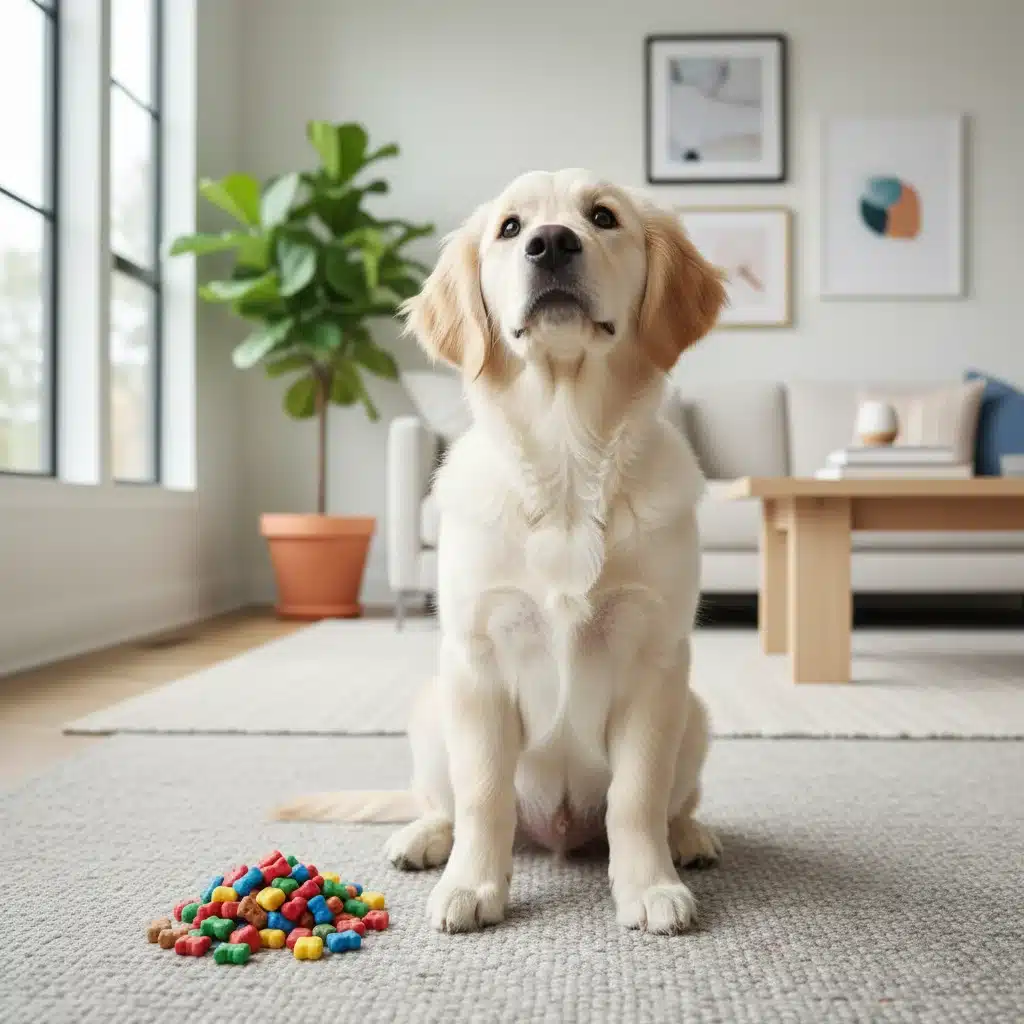
Clicker Training vs. Lure Training: Which Method is Faster for Your Dog?
As devoted dog owners, we constantly seek the most effective and humane methods to communicate with our furry companions. Training is not just about teaching commands; it’s about building a bond of trust, understanding, and mutual respect. In the vast landscape of dog training methodologies, two techniques frequently emerge as popular choices: clicker training vs. lure training. Both are based on positive reinforcement, but they differ significantly in their approach, implementation, and ultimately, the speed and depth of learning they facilitate. Understanding these nuances is crucial for any owner looking to optimize their dog’s training journey in 2026 and beyond.
The quest for faster results is a common motivator, but speed should never compromise the quality of learning or the well-being of your dog. This comprehensive guide will delve deep into the mechanics of both clicker training and lure training, examining their core principles, advantages, disadvantages, and suitability for various training goals. We’ll explore which method might offer quicker initial results, and which fosters a more profound, long-lasting understanding in your dog. By the end of this exploration, you’ll be equipped with the knowledge to make an informed decision on whether clicker lure training is right for your canine companion.
Understanding the Fundamentals: What is Clicker Training?
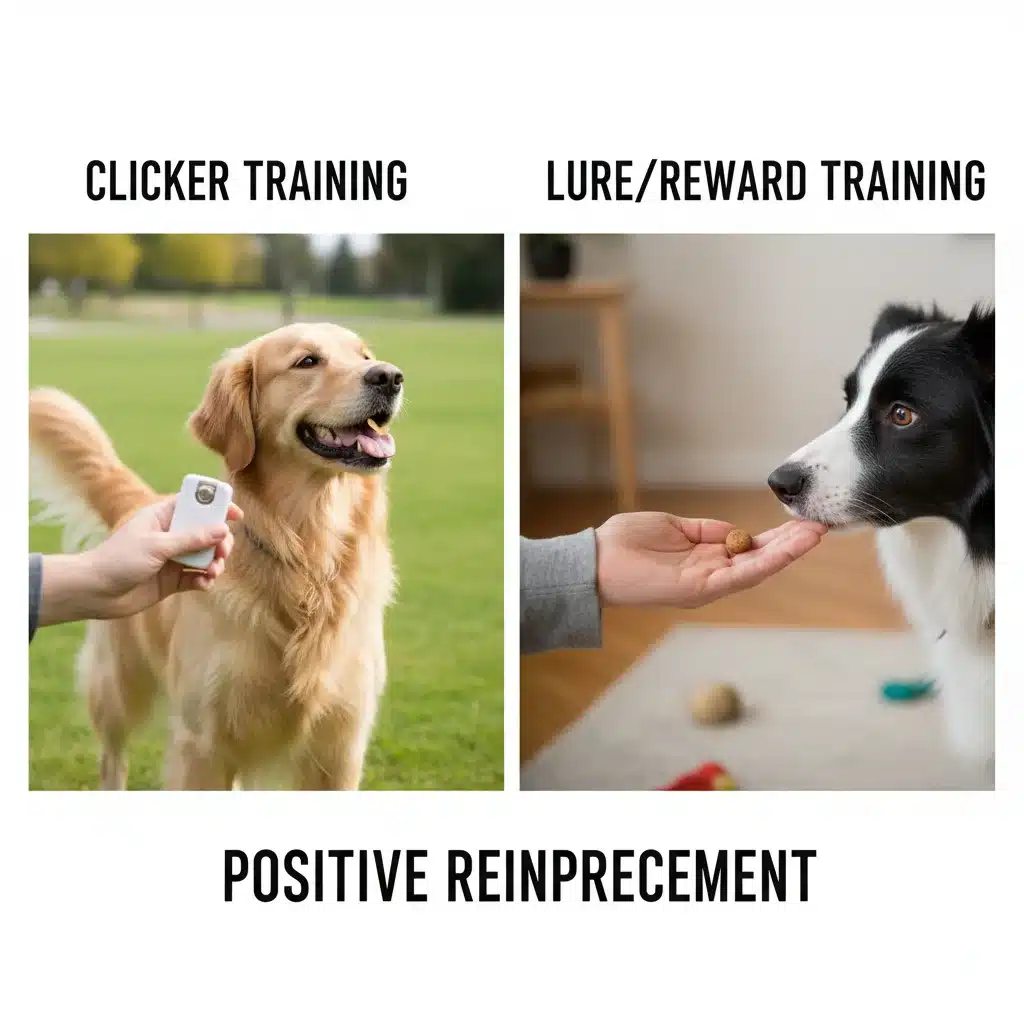
Clicker training is a form of positive reinforcement that utilizes a small mechanical device, the clicker, to mark desired behaviors precisely. Originating from the principles of operant conditioning, particularly the work of B.F. Skinner, clicker training gained significant traction in animal training thanks to pioneers like Karen Pryor. The core idea is to create a clear, consistent, and immediate marker signal that tells the dog, ‘That’s exactly what I want you to do, and a reward is coming!’
The Science Behind the Click
The clicker acts as a ‘bridge’ or ‘event marker.’ Dogs don’t inherently understand human language, but they are masters at association. When you pair the unique, distinct sound of the clicker with a high-value reward (like a small treat or praise), the clicker quickly becomes a secondary reinforcer. This means the sound itself becomes reinforcing because it predicts something good will happen. This precise timing is what makes clicker training so powerful.
- Precision: The clicker allows you to mark the exact moment your dog performs the desired action, even if it’s a split-second movement. This eliminates ambiguity and helps the dog understand precisely what they are being rewarded for.
- Clarity: Unlike verbal praise, which can vary in tone and inflection, the clicker sound is always consistent. This provides an unambiguous signal to the dog.
- Engagement: Dogs often become highly engaged and enthusiastic during clicker training sessions because they are actively trying to ‘earn’ the click and subsequent reward. It encourages them to think and offer behaviors.
How Clicker Training Works in Practice
The process typically begins with ‘charging the clicker,’ where you repeatedly click and immediately give a treat, without requiring any specific behavior from the dog. This creates the positive association. Once charged, you can use the clicker to:
- Shape behaviors: Break down complex behaviors into smaller, achievable steps. For example, to teach ‘down,’ you might click and reward for looking at the floor, then for lowering the head, then for lying down partially, and finally for a full ‘down.’
- Capture behaviors: Click and reward behaviors your dog offers spontaneously. If your dog lies down on its own, click and reward to reinforce that action.
- Lure and fade: While clicker training isn’t primarily lure-based, lures can be used initially to prompt a behavior, but the goal is to quickly fade the lure and rely on the clicker to mark the dog’s independent action.
The ultimate goal is for the dog to perform the behavior on cue without the clicker, as the clicker is merely a teaching tool. Once the behavior is learned and reliable, the clicker is phased out, and the dog is rewarded intermittently with treats, praise, or other motivators.
Understanding the Fundamentals: What is Lure Training?
Lure training, also a positive reinforcement method, involves using a treat or toy to physically guide your dog into performing a desired action. It’s often considered a more intuitive and immediate way to initiate new behaviors, especially for puppies or dogs new to training. The lure acts as a visual and olfactory magnet, directing the dog’s body into the correct position.
The Mechanics of Lure Training
The process is relatively straightforward:
- Hold the lure: Hold a high-value treat close to your dog’s nose.
- Guide the dog: Move the treat in a way that encourages your dog to adopt the desired position. For example, to teach ‘sit,’ you’d move the treat from their nose over their head, causing them to lower their rear end to follow the treat.
- Mark and reward: As soon as the dog performs the action (e.g., their bottom touches the ground for ‘sit’), immediately say ‘yes!’ or ‘good!’ and give them the treat.
The key to effective lure training is to move the lure smoothly and clearly, making it easy for the dog to follow. The treat acts as both the motivator and the guide.
Advantages of Lure Training
- Ease of initiation: Lure training is often very quick for dogs to grasp new behaviors initially because it’s a direct physical guide. You’re literally showing them what to do.
- Suitable for beginners: Both for the dog and the handler, lure training can feel less complex to start with, as it doesn’t require the precise timing of a clicker.
- Physical guidance: It’s excellent for teaching body positions like ‘sit,’ ‘down,’ ‘stand,’ or ‘heel’ where you can easily guide the dog’s movement.
However, successful lure training requires a critical next step: fading the lure. If you always rely on the treat to get your dog to perform a behavior, they are not truly learning the command; they are simply following the treat. The goal is to transition from using the treat as a lure to using it as a reward after the dog performs the action based on a verbal or hand cue.

Comparing Clicker Training vs. Lure Training: Which Yields Faster Results?
When considering clicker training vs. lure training, the question of ‘faster results’ is multifaceted. It depends on what you define as ‘results’ and at what stage of the training process you’re evaluating speed.
Initial Learning Speed
For getting a dog to perform a new physical action for the very first time, lure training often appears faster. You can quickly guide a dog into a ‘sit’ or ‘down’ position using a treat, and they’ll likely perform the action within a few repetitions. The immediate reward reinforces the physical movement directly.
Clicker training, while also effective for initial learning, requires the dog to first understand the clicker’s meaning (charging the clicker) and then for the handler to have impeccable timing. While some behaviors can be ‘captured’ quickly, shaping more complex actions might take a few more repetitions initially compared to a direct lure.
Understanding and Reliability
This is where the distinction becomes clearer. While lure training might be faster for initial compliance, clicker training generally leads to a deeper, more robust understanding of the behavior and greater reliability in the long run. Here’s why:
- Precision of the click: The click marks the exact moment of success, which helps the dog understand what they did to earn the reward, rather than just associating the reward with the general act of following a treat. This precision fosters quicker generalization of the behavior.
- Encourages active thought: Clicker training encourages dogs to ‘offer’ behaviors and problem-solve. They learn to think, ‘What can I do to make that click happen?’ This active engagement leads to a more profound understanding and intrinsic motivation.
- Weaning off aids: Fading the lure in lure training can sometimes be a challenge. If not done correctly, dogs can become dependent on the treat being present to perform the command. Clicker training, by its nature, focuses on fading the clicker as a primary teaching tool once the behavior is learned, promoting independence from external prompts more naturally.
Therefore, while lure training might get you a ‘sit’ in minutes, clicker training is likely to get you a ‘sit’ that the dog understands completely, performs reliably without a visible treat, and is more likely to generalize to different environments and distractions, potentially faster in the long-term sense of mastery.
Benefits of Clicker Training
The advantages of clicker training extend beyond just speed and precision:
Enhanced Communication
The clicker provides a clear, consistent, and unambiguous communication tool. Dogs quickly learn that the click means ‘yes, that’s right!’ which reduces frustration and confusion during training. This clear feedback loop strengthens the dog-handler bond.
Problem-Solving Skills
Clicker training encourages dogs to experiment and think. Instead of being physically guided, they learn to offer behaviors and discover what works to earn the click. This develops their cognitive abilities and creates a more engaged, enthusiastic learner.
Building Confidence
Because the dog is actively participating in the learning process and making choices that lead to positive outcomes, clicker training can significantly boost a dog’s confidence, especially for shy or anxious dogs. They learn that their actions can lead to good things.
Versatility
Clicker training is incredibly versatile and can be used to teach an endless array of behaviors, from basic obedience to complex tricks, service dog tasks, and even behavior modification for issues like reactivity or fear. Its precision makes it ideal for shaping behaviors that are difficult to lure, such as holding an object or performing a specific facial expression.
Reduces Reliance on Lures
While lures can be used as an initial step in clicker training, the focus quickly shifts to marking the dog’s independent action. This naturally reduces reliance on physical prompts, leading to a dog that performs commands based on verbal cues or hand signals rather than the presence of a treat.
Benefits of Lure Training
Lure training, despite its potential limitations in long-term understanding, offers distinct benefits, particularly for novice trainers or for specific situations:
Ease of Entry for Beginners
For new dog owners or those new to positive reinforcement, lure training can be an excellent starting point. It’s intuitive to use a treat to guide a dog, and initial successes can be highly motivating for both handler and dog.
Quick for Basic Physical Positions
Teaching fundamental commands like ‘sit,’ ‘down,’ ‘stay’ (in place), and ‘come’ can often be achieved very quickly with a lure. The physical guidance makes it easy for the dog to understand the desired body posture.
Good for Puppies
Young puppies have short attention spans and are often highly motivated by food. Lure training can be an effective way to introduce basic manners and commands before they are ready for the more abstract concept of the clicker.
Physical Prompting
In situations where a dog might be distracted or struggling to understand a verbal cue, a gentle lure can help guide them back to the desired behavior. It provides a clear physical prompt that can be easier for some dogs to follow than waiting for a click.
When to Use Each Method (or Both)
The reality is that clicker lure training isn’t mutually exclusive. Many trainers effectively incorporate elements of both. The best approach often involves using the strengths of each method strategically.
Lure First, Then Clicker
A common and highly effective strategy is to use luring for the initial stages of teaching a new behavior, especially a physical one. Once the dog reliably performs the action with the lure, you can introduce the clicker to mark the precise moment of success. Then, quickly fade the lure, relying on the clicker to reinforce the dog’s independent performance of the behavior.
For example, to teach ‘sit’:
- Lure: Guide your dog into a sit with a treat. As their bottom touches the ground, say ‘sit’ and give the treat. Repeat several times.
- Introduce clicker: Once they are reliably sitting with the lure, guide them into a sit. The instant their bottom touches the ground, *click* and then immediately give the treat.
- Fade lure: Gradually reduce the motion of the lure until you are just using a hand signal or verbal cue. The clicker continues to mark the correct behavior, and the treat follows the click.
This approach harnesses the speed of initial acquisition from luring and combines it with the precision and deeper understanding fostered by clicker training.
Clicker for Shaping Complex Behaviors
For behaviors that are difficult or impossible to lure (e.g., quiet, staying still, targeting an object with their nose, or performing a complex sequence), clicker training shines. Its ability to mark tiny approximations allows you to ‘shape’ a behavior in small steps until the full action is achieved. This is incredibly powerful for teaching nuanced behaviors.
Lure for Remedial Training or Distractions
If a dog is struggling with a previously learned command, or if they are in a highly distracting environment, a brief return to luring can help them recollect the behavior. However, it’s crucial to fade the lure again as quickly as possible to avoid dependency.
Common Pitfalls and How to Avoid Them
Regardless of whether you primarily use clicker lure training, there are common mistakes that can hinder progress. Being aware of these can significantly improve your training efficiency.
Pitfalls in Clicker Training:
- Poor timing: Clicking too early or too late is the most common mistake. The click must mark the exact moment the desired behavior occurs. Practice your timing!
- Clicking without a reward: The clicker loses its meaning if it’s not consistently followed by a high-value reward. Always pair the click with a treat, praise, or a preferred toy.
- Over-reliance on the clicker: Remember, the clicker is a teaching tool, not a permanent part of the command. Once a behavior is learned, transition to intermittent rewards and verbal praise.
- Lack of variety in rewards: While treats are common, also use toys, praise, or anything your dog finds highly reinforcing.
Pitfalls in Lure Training:
- Failure to fade the lure: This is the biggest pitfall. If you always need a treat in your hand for your dog to perform, they haven’t truly learned the command. Gradually reduce the size and visibility of the lure, then replace it with a hand signal, and eventually just the verbal cue.
- Treat dependency: Similar to not fading the lure, if your dog only works for food, they might not perform when no food is present. Vary your rewards and ensure they are working for the command, not just the treat itself.
- Physical manipulation: Avoid physically pushing or pulling your dog into position. The lure should guide them, not force them.
- Using the lure as a bribe: The treat should be a reward for performing the behavior, not something shown beforehand to entice them. While it acts as a guide, the dog should know the treat comes *after* the action.
The Importance of Positive Reinforcement in Both Methods
It’s crucial to reiterate that both clicker training and lure training are positive reinforcement methods. This means they focus on rewarding desired behaviors to increase their likelihood of occurring again, rather than punishing unwanted behaviors. Positive reinforcement builds a strong, trusting relationship between you and your dog, making training a fun and engaging experience for both of you.
Regardless of the tools you choose, consistency, patience, and clear communication are paramount. Every dog is an individual, and what works best for one might not be ideal for another. Observe your dog’s responses, adapt your approach, and always prioritize their well-being and understanding.
Advanced Considerations: Beyond Basic Commands
While basic commands are a great starting point, both clicker lure training methods can be scaled for more advanced training. For complex tasks, such as agility, scent work, or intricate trick training, the precision of clicker training often proves invaluable. The ability to mark micro-behaviors allows trainers to shape very specific actions that would be impossible to achieve through luring alone.
Generalization and Proofing
Once a behavior is learned using either method, the next step is generalization and proofing. Generalization means your dog performs the behavior in different environments, with different people, and in varying contexts. Proofing involves practicing the behavior with increasing levels of distraction. This is where the deeper understanding fostered by clicker training often shines, as dogs who have learned through precise marking tend to generalize more readily because they truly understand the ‘why’ behind the command, not just the ‘how’ of following a treat.
However, lure training, when implemented with a strong fading protocol, can also lead to well-proofed behaviors. The key is to systematically reduce dependence on the lure and gradually introduce distractions, ensuring the dog responds to the verbal or hand cue alone.
Addressing Behavior Problems
Both methods can also be applied to address unwanted behaviors. For instance, if a dog jumps on guests, clicker training can be used to reinforce ‘four paws on the floor’ (an incompatible behavior). Lure training might be used to guide a dog away from an undesirable object, then reward them for disengaging. The choice often depends on the specific behavior and the dog’s learning style.
Conclusion: The Best Approach for Your Dog’s Training Journey
So, when it comes to clicker training vs. lure training, which method yields faster results in 2026? The answer is not a simple one-size-fits-all. Lure training often provides quicker initial compliance for basic physical commands, making it an excellent gateway into positive reinforcement for beginners. It’s intuitive and can yield immediate visual results.
However, for fostering a deeper understanding, encouraging problem-solving, and achieving long-term reliability and versatility, clicker training typically offers a more robust and ultimately faster path to mastery. Its precision allows for clear communication and the shaping of complex behaviors that might be impossible with luring alone.
Ultimately, the most effective approach for many dog owners is a hybrid one: using luring to initiate a behavior and then transitioning to clicker training to refine and solidify it. This combines the immediate guidance of the lure with the precise marking power of the clicker, creating a comprehensive and highly effective training system. Experiment with both, observe your dog’s responses, and tailor your approach to their individual learning style and personality. Remember, the goal is not just speed, but a happy, well-adjusted, and well-understood canine companion.
Happy training!