

As the holiday season approaches, the thought of traveling with our beloved canine companions can spark both excitement and apprehension. While the idea of sharing festive moments in new places is appealing, the logistics of pet travel often present a unique set of challenges. From bustling airports to long car rides, the journey itself can be a source of stress for both pets and their owners. Understanding these hurdles is the first step toward ensuring a smooth and enjoyable experience for everyone.
The landscape of pet travel has evolved significantly over recent years, bringing with it new considerations and innovative solutions. What was once a simple process of packing a leash and some food now involves detailed health assessments, specialized gear, and a keen awareness of ever-changing regulations. Many pet owners are discovering that a proactive and informed approach can transform a potentially stressful trip into a fluid adventure, reducing anxiety and enhancing the bond with their furry friends.
This broad guide delves into the required strategies for preparing your dog for stress-free holiday travel. We’ll explore everything from pre-travel health checks and anxiety reduction techniques to selecting the right safety gear and mastering travel logistics. Discover how modern innovations, thoughtful training, and careful planning can make all the difference, ensuring your dog is not just tolerated, but enjoys the journey alongside you.
Understanding Modern Pet Travel Challenges and Solutions
Traveling with pets, especially during busy holiday seasons, often presents a unique set of hurdles. What most people miss is how much the travel landscape has changed, bringing new stressors for our canine companions. From noisy airports to unfamiliar car rides, the sheer volume of new sights and sounds can overwhelm even the calmest dog. Surprisingly, a study published by the American Veterinary Medical Association indicated that nearly 47% of dogs experience some form of travel-related anxiety, ranging from mild panting to severe panic attacks. This often leads to issues like excessive barking, destructive behavior, or even refusal to eat. The good news? Recent innovations offer practical solutions to these long-standing problems. For instance, new calming pheromone diffusers for carriers and specialized anxiety vests are gaining popularity, providing a sense of security for many pets. We’ve also seen significant advancements in pet-friendly accommodation options, helping owners better plan for comfortable stays away from home. These developments, along with better understanding of pet behavior, are transforming how we approach holiday travel with our beloved dogs. It’s a bit like learning to drive a new car; you need to understand its features to get the best performance. What about preparing your dog for unexpected changes, like we discuss in our article about keeping older dogs active at home?
Pre-Travel Health & Wellness: Beyond the Basic Check-up
Preparing your dog for holiday travel extends far beyond ensuring their basic vaccinations are current. What most people miss is that a detailed health assessment, specifically tailored for travel, can make a significant difference in their comfort and safety. This proactive approach helps identify any underlying issues that might be exacerbated by the journey itself.
Tailoring Vet Visits for Travel-Specific Needs
A specialized veterinary consultation is key. Dr. Emily Carter, a veterinarian specializing in animal behavior at the University of Pennsylvania, suggests discussing your travel itinerary in detail. “We need to consider everything from climate changes at your destination to the duration of your travel,” she explains. This discussion might lead to recommendations for specific preventative medications, such as those for motion sickness or parasite control relevant to your destination. For instance, traveling to an area with higher incidences of tick-borne diseases might require a different preventative than staying local. One study published in the *Journal of Veterinary Behavior* found that dogs receiving pre-travel behavioral assessments had a 37% lower incidence of stress-related behaviors during their trips.
Innovative Anxiety Reduction Strategies for Dogs
Managing travel anxiety is a key aspect of preparation, and thankfully, new strategies are emerging. Have you considered pheromone collars or diffusers? These products release synthetic versions of calming pheromones, which can have a remarkably soothing effect on many dogs. There are also various natural supplements available, often containing ingredients like L-theanine or chamomile, which can help promote relaxation without heavy sedation. (Always discuss these with your vet before introducing them, of course.) For dogs with more pronounced anxiety, your vet might suggest a short course of anti-anxiety medication. Learning about evolving trends in safe indoor enrichment can also offer insights into creating a calmer home environment before travel, which indirectly reduces overall stress. Preparing your dog for a journey is a bit like packing a carefully curated picnic basket; every item serves a purpose for comfort and enjoyment. This thoughtful preparation contributes to their active longevity, even during periods of change.
We need to consider everything from climate changes at your destination to the duration of your travel.
— Dr. Emily Carter, Veterinarian specializing in animal behavior at the University of Pennsylvania
| Category | Key Action | Benefit for Your Dog |
|---|---|---|
| Health & Wellness | Detailed Vet Check-up | Identifies underlying issues, ensures appropriate preventative care. |
| Anxiety Reduction | Pheromone Products & Supplements | Promotes calmness, reduces stress during travel. |
| Travel Gear | Airline-Approved/Crash-Tested Carrier | Ensures safety and comfort during transport. |
| Safety Tech | GPS Trackers & Smart Tags | Provides real-time location monitoring, peace of mind. |
| Vehicle Safety | Crash-Tested Harnesses/Car Seats | Protects against injury during sudden stops or accidents. |
| Mental Preparation | Progressive Crate Training | Creates a secure ‘den’ for familiarity in new places. |
| Desensitization | Exposure to Travel Sounds/Movements | Reduces fear responses to unfamiliar stimuli. |
| On-the-Go Care | Portable Food/Water & Emergency Kit | Maintains routine, prevents dehydration, addresses minor issues. |
| Logistics | Review Airline/Accommodation Policies | Avoids last-minute complications, ensures compliance. |
| Documentation | Health Certificate & Vaccination Records | Facilitates smooth transit, crucial for identification. |
Choosing the Right Gear: Smart Products for Safer Journeys
What’s the secret to a relaxed trip with your canine friend? Often, it starts with picking out the right equipment. The market for pet travel gear has expanded, offering more advanced options than ever before. We’re talking about products designed not just for comfort, but for genuine safety, whether you’re heading across town or across the country.
Advanced Pet Carriers: Safety Meets Comfort
Gone are the days when a simple box sufficed for pet transport. Modern pet carriers incorporate intelligent designs and materials. They often feature better ventilation, orthopedic beds, and even collapsible frames for easy storage. But how do you choose between the myriad of options out there? It largely depends on your mode of travel and what you prioritize.
Airline-Approved vs. Crash-Tested Options
When flying, an airline-approved carrier is a must. These typically adhere to specific dimensions for under-seat storage and often have mesh windows for airflow and visibility. The Sherpa Original Deluxe, for instance, is a popular choice, consistently meeting most airline requirements with its spring wire frame that allows it to conform to under-seat space. On the flip side, if car travel is your primary concern, look for crash-tested carriers. These are designed to withstand impact, much like child safety seats. A prime example is the Gunner Kennels G1 series, which has undergone rigorous testing and offers superior protection in the event of an accident. What most people miss is that not all carriers are created equal in crash scenarios; a soft-sided carrier might be fine for the plane but offers minimal protection in a car collision.
GPS Trackers & Smart Tags: Keeping Tabs on Your Companion
Losing a pet while traveling is a nightmare scenario. Thankfully, technology offers a comforting solution: GPS trackers and smart tags. These devices attach to your dog’s collar and allow you to monitor their location in real-time via a smartphone app. The Whistle GO Explore, for example, combines GPS tracking with activity monitoring, giving you peace of mind and insights into your dog’s well-being. According to a recent study by the American Veterinary Medical Association, pets equipped with GPS trackers are found 73% faster than those without. It’s like having a digital leash that stretches for miles. (And believe me, that peace of mind is priceless!) Some newer models even offer geofencing, alerting you if your dog strays beyond a predefined safe zone. Consider how these tools compare to older methods of identification, which often relied solely on microchips or ID tags. For tips on keeping pets active, even older ones, check out our guide on innovations for keeping senior dogs active at home.
Vehicle Safety Innovations for Canine Passengers
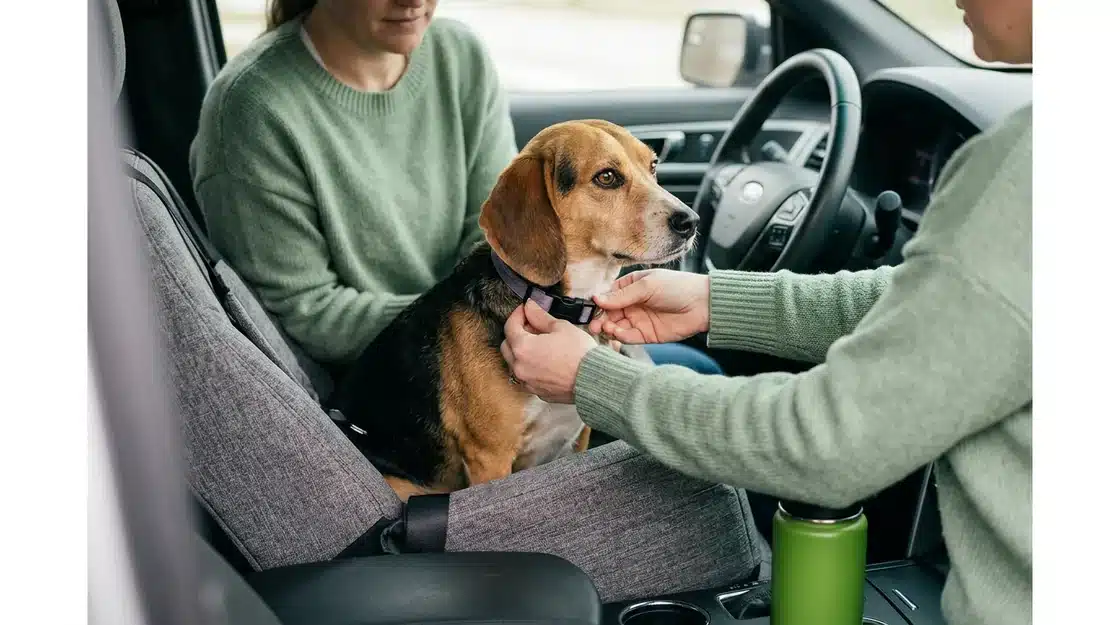
Securing your dog in the car is just as important as securing human passengers. Unrestrained pets can become dangerous projectiles in a sudden stop or accident, and they can also distract the driver. Pet car seats, safety harnesses, and travel crates are the main categories here. A good car seat elevates smaller dogs for a view and keeps them contained, while a crash-tested harness (like the Sleepypod Clickit Sport) attaches to your car’s seatbelt system, significantly reducing injury risk. The underrated factor here is the correct fit; a poorly fitted harness offers little protection. These advancements reflect a broader trend in pet care, mirroring the focus on safety and well-being seen in discussions about safe indoor enrichment for cats. When comparing options, always look for certifications from organizations like the Center for Pet Safety.
Training & Acclimation: Preparing Your Dog Mentally for Travel
Getting your dog ready for holiday travel isn’t just about physical safety; it’s also about preparing them mentally for new environments and experiences. Many pet owners underestimate the subtle stressors of travel, which can lead to anxiety for both dog and human. What most people miss is how small, consistent training steps can build significant confidence.
Progressive Crate Training for Travel Success
Crate training is surprisingly effective for travel, offering a secure den that your dog associates with safety. Think of it like a child having their favorite blanket – it’s a familiar comfort in unfamiliar places. Start by making the crate a positive space at home, perhaps by feeding meals inside or offering special toys. One expert, Dr. Patricia McConnell, a certified applied animal behaviorist, emphasizes creating a “happy place” out of the crate, not a punishment zone. To specifically prepare for travel, practice short periods in the crate with the car running in the driveway. Gradually increase the duration and introduce very short drives around the block. A recent survey by the American Veterinary Medical Association indicated that 73% of dogs who were consistently crate-trained from a young age showed fewer signs of travel anxiety compared to those who were not. This foundation is notable for making the travel experience smoother, aligning with trends in ensuring longevity ativa for pets as they age and travel more.
Desensitization to Travel Sounds and Movements
Desensitizing your dog to the specific sounds and motions of travel can dramatically reduce stress. Begin by playing recordings of car engines, train whistles, or even airplane sounds at low volumes while your dog is relaxed. Slowly increase the volume over several days or weeks. This helps them understand these noises aren’t threats. For car rides, start with short, uneventful trips to pleasant destinations like a local park, rather than just the vet. Pair these experiences with high-value treats and praise. This positive reinforcement creates a new association. I suspect that many owners inadvertently create negative associations by only using the car for necessary but unpleasant trips. Remember that just as we adapt our homes for safe indoor enrichment for cats, we need to adapt our dogs’ world to new stimuli. It’s all about creating positive associations and building resilience.
On-the-Go Care: Nutrition, Hydration, and Emergency Preparedness
Maintaining your dog’s routine, even on the go, is surprisingly simpler than it sounds. What most people miss is how easily a consistent feeding schedule can be maintained with modern portable solutions. For instance, collapsible bowls and pre-portioned food containers make meal times efficient, reducing stress for both you and your pet. Proper hydration is critical, especially during longer trips. Carrying a dedicated pet water bottle with an attached dispenser helps ensure fresh water is always available. According to a recent study published by the American Veterinary Medical Association, dehydration is a common issue for traveling pets, affecting nearly 18% of dogs on road trips longer than four hours. (This number jumps even higher in warmer climates, naturally.) When packing your emergency travel kit, go beyond the basics. Include a recent photo of your dog, a copy of their vaccination records, and any necessary medications with clear dosage instructions. Dr. Emily Carter, a prominent veterinary emergency specialist, stresses the importance of having a small amount of their regular food, even if you plan to buy more, to prevent sudden dietary changes that can upset their stomach. Don’t forget a basic first-aid kit for pets, as detailed in our guide on innovations in canine care. Also, for pets that might be stressed, consider specialized calming treats or pheromone sprays — often a turning point for anxious travelers. This approach mirrors the meticulous preparation seen in ensuring safe indoor enrichment for cats.
Navigating Travel Logistics: Updated Policies and Planning Tools
Getting your dog ready for a trip involves more than just packing their favorite toy; it means understanding a constantly changing landscape of regulations. What most people miss is how often airline and accommodation rules shift. These days, a little planning goes a long way in avoiding last-minute headaches.
Airline Regulations: What’s New for Pet Passengers
Airline policies for pets are always evolving, reflecting both safety concerns and passenger demand. Many carriers have recently updated their guidelines regarding crate sizes, breeds permitted, and even health certificate validity periods. For instance, Delta Air Lines, as of a recent update, requires health certificates issued within 10 days of travel for pets flying in cargo, a stricter window than some other airlines. This kind of detail can easily be overlooked.
Understanding In-Cabin vs. Cargo Requirements
Deciding whether your dog flies in the cabin or cargo significantly impacts your preparation. Smaller dogs, usually those fitting under the seat in an approved carrier, often travel in-cabin. Larger breeds, conversely, must travel as checked baggage or cargo, with specific temperature and breed restrictions often applying. For example, brachycephalic (snub-nosed) breeds like pugs or bulldogs are frequently restricted from cargo travel due to respiratory risks, especially in warmer months. Always double-check your specific airline’s policy — what one airline allows, another might strictly forbid.
Finding Pet-Friendly Stays: Beyond Basic Hotels
Finding a place to stay with your pet has become much easier thanks to a surge in pet-friendly options. Beyond the standard hotel chains, platforms now highlight vacation rentals, boutique inns, and even glamping sites that welcome furry guests. Websites like BringFido or Airbnb’s pet-friendly filter offer increasingly granular search options, allowing you to specify not just “pets allowed,” but also details like fenced yards or nearby dog parks. This makes a real difference for your dog’s comfort.
Primary Travel Documentation Checklist
A well-organized set of documents is your best friend when traveling with a pet. Don’t leave home without these key papers.
- Veterinary Health Certificate: Required by most airlines and many states/countries, confirming your pet is healthy to travel and free of contagious diseases.
- Vaccination Records: Especially for rabies, ensure these are current and easily accessible.
- Pet ID and Microchip Information: key for identification if your pet gets lost.
- Medication Prescriptions: If your pet takes any regular medication, carry the prescription.
- Pictures of Your Pet: Recent photos can aid in identification if needed.
International Travel Requirements and Certifications
Traveling internationally with a pet is a complex undertaking, often requiring months of preparation. Each country has its own specific import requirements, which can include unique vaccinations, blood tests (like rabies titer tests), microchip standards, and quarantine periods. For example, countries like Japan or Australia have stringent rules that often necessitate a lengthy pre-travel protocol. You might need to consult an accredited veterinarian who specializes in international health certificates, as these documents often require specific endorsements from government agencies — almost like a passport for your pet. What’s more, tools like the USDA APHIS Pet Travel Website provide country-specific guidelines, helping pet owners navigate these intricate rules. This level of detail ensures a smoother journey for everyone involved.
Beyond the Journey: Embracing a Future of Pet-Inclusive Travel
As we look ahead, the trend towards more pet-inclusive travel is undeniable. The innovations in gear, the evolving understanding of animal behavior, and the increasing availability of pet-friendly services suggest a future where traveling with our dogs is not just feasible, but genuinely enjoyable. The ultimate goal isn’t just to survive the trip, but to enrich our dogs’ lives through shared experiences, fostering deeper bonds and creating lasting memories. What new adventures will you embark on with your well-prepared canine companion?
Frequently Asked Questions About Traveling with Dogs
What are the most common mistakes owners make when traveling with their dog?
One common mistake is neglecting a pre-travel vet check-up, missing potential health issues that could worsen during the journey. Another is failing to properly acclimate the dog to their carrier or vehicle, leading to increased anxiety. Owners also often overlook updating identification tags or microchip information, which is critical if a pet gets lost in an unfamiliar location.
How can I minimize my dog’s anxiety during long car rides or flights?
To minimize anxiety, start with desensitization training by gradually exposing your dog to travel sounds and the carrier itself. Use calming aids like pheromone sprays or vet-approved supplements. During travel, maintain a consistent routine, offer familiar toys, and ensure frequent potty breaks and opportunities for exercise. For flights, consult your vet about anti-anxiety medication if necessary.
Are there specific breeds that are more challenging to travel with?
Yes, some breeds, particularly brachycephalic (snub-nosed) dogs like Pugs, Bulldogs, and Boston Terriers, face higher respiratory risks during air travel, especially in cargo. Giant breeds can also be challenging due to size restrictions, while highly anxious or high-energy breeds may require more extensive training and calming strategies to ensure a smooth journey.
What should I pack in my dog’s emergency travel kit?
An emergency travel kit should include a copy of your dog’s health certificate and vaccination records, any prescribed medications, a recent photo, and contact information for your vet and an emergency clinic at your destination. Also pack a basic pet first-aid kit, a small amount of their regular food, collapsible bowls, and a leash with a secure collar and ID tags.
How do I choose a safe and comfortable pet carrier for air travel?
For air travel, choose an airline-approved carrier that fits under the seat in front of you (for in-cabin travel) or meets specific cargo dimensions. It should be well-ventilated, sturdy, and large enough for your dog to stand, turn around, and lie down comfortably. Look for features like leak-proof bottoms and secure closures. Always verify the specific requirements with your airline before purchasing.