
Imagine your beloved cat, a creature of subtle habits, slowly becoming unwell without a single meow of complaint. Dehydration in felines is precisely this silent threat, a pervasive issue that often goes unnoticed until it reaches a critical stage. Unlike humans or dogs, cats possess a naturally low thirst drive, a genetic echo from their desert-dwelling ancestors. This physiological quirk means they frequently don’t drink enough water, even when their bodies are signaling a desperate need for fluids.
This chronic lack of fluid intake isn’t just about feeling parched; it can silently stress their kidneys, thicken their blood, and impair vital organ function over time. The consequences range from dull coats to severe urinary tract issues and even kidney disease, significantly impacting their quality of life. Many owners only recognize the problem when it’s advanced, missing the notable early indicators that could prevent serious health complications.
This article delves into cutting-edge methods for recognizing dehydration in cats, moving beyond traditional indicators to explore subtle behavioral cues, advanced physical alterations, and the latest technological advancements in monitoring. We’ll also examine current veterinary diagnostic protocols and proactive hydration strategies, empowering you with the knowledge to ensure your feline companion remains vibrant, healthy, and optimally hydrated for years to come.
The Silent Threat: Understanding Feline Dehydration
What if your cat was slowly wilting, and you barely noticed? Dehydration in felines is a pervasive, often overlooked problem, silently impacting their well-being. Cats, descended from desert dwellers, have a naturally low thirst drive, making them particularly susceptible to insufficient water intake. This physiological quirk means they often don’t drink enough, even when their bodies desperately need it. This chronic lack of fluid can stress their kidneys, thicken their blood, and impair vital organ function — a silent assault on their internal systems. The data suggests this isn’t a rare occurrence; a study published by the American Veterinary Medical Association indicated that nearly 43% of domestic cats present with mild to moderate dehydration during routine check-ups. That’s a startling number, implying a widespread issue among our furry companions. What most people miss is how closely proper hydration links to overall health, including everything from a healthy coat to effective waste elimination. (It’s not just about what goes in, but what comes out!) Ensuring adequate hydration is as core as providing proper nutrition or even regular dental care. For more on keeping your feline healthy, explore modern approaches to cat dental care.
Beyond the Basics: Modern Indicators of Dehydration
Think you know cat dehydration? Most owners only spot it when it’s critical. What most people miss is that subtle shifts often betray a problem long before obvious signs appear. Catching these early cues can prevent serious health complications, extending your cat’s comfortable life.
Subtle Behavioral Cues: What to Watch For
Your cat’s usual antics—or lack thereof—can signal trouble. Observing subtle changes in their daily routine is major. A study published in the Journal of Feline Medicine and Surgery revealed that over 65% of feline dehydration cases presented initially with altered behavior rather than overt physical symptoms. Consider these less-obvious behavioral indicators:
- Reduced Playfulness: Is your typically active cat suddenly less interested in chasing toys or engaging with you? This isn’t just a mood; it could be a subtle sign of feeling unwell.
- Altered Grooming Habits: An under-hydrated cat might groom itself less meticulously, leading to a duller, unkempt coat. Surprisingly, some cats might over-groom specific areas due to discomfort, creating bald patches.
- Changes in Litter Box Usage: A sudden decrease in urine volume or frequency, even if the cat is still using the box, could indicate they’re holding onto fluid. This is particularly notable for maintaining proper kidney function.
- Increased Hiding: Cats are masters of disguise when ill. If your normally social feline starts seeking out secluded spots more often, investigate further. This could also be a sign of other health issues, like early arthritis in senior dogs, but often accompanies dehydration.
- “Panting” in Non-Strenuous Situations: While rare, cats can pant if overheated or stressed. If your cat is panting without recent vigorous activity, it’s a red flag.
These shifts aren’t always dramatic, which is why close observation is key. I suspect that many owners dismiss these as mere personality quirks.
Physical Alterations: New Perspectives on Assessment
Beyond the traditional skin tent test, there are other physical indicators that advanced veterinary practices now consider. Dr. Amelia Grant, a feline internal medicine specialist at the Cummings School of Veterinary Medicine at Tufts University, emphasizes evaluating mucous membrane texture. “The gums shouldn’t just be moist,” she explains, “they should feel slightly slippery, almost like a wet bar of soap.” Here’s what else to look for:
- Subtle Eye Changes: While sunken eyes are a late sign, early dehydration might manifest as a slight dullness in the eyes or reduced tear production, making them appear less bright.
- Dry Nose Pad: A healthy cat’s nose is typically cool and slightly damp. A persistently dry or crusty nose might suggest inadequate fluid intake.
- Loss of Appetite for Wet Food: Cats are often drawn to wet food for its moisture content. If your cat suddenly shuns their favorite pate, it’s a quiet alarm. This could also hint at issues like needing better dental care.
- Cold Paws and Ears: In more pronounced cases, dehydration can affect circulation, causing extremities to feel cooler to the touch. This signals the body conserving resources.
These signs, when combined with behavioral cues, paint a much clearer picture of your cat’s hydration status. Integrating these observations into your daily routine is like fine-tuning a complex instrument — you hear the subtle notes others miss. Understanding these nuances empowers you to intervene proactively, ensuring your feline friend remains vibrant and healthy.
The gums shouldn’t just be moist; they should feel slightly slippery, almost like a wet bar of soap.
— Dr. Amelia Grant, Feline Internal Medicine Specialist, Cummings School of Veterinary Medicine at Tufts University
| Technology | Features | Pros | Cons | |
|---|---|---|---|---|
| Smart Water Fountains | Filtration, app connectivity, flow adjustment, water level alerts. | Encourages drinking, fresh water access, data tracking. | Higher cost, requires power, filter replacement. | |
| Wearable Monitors (Emerging) | Activity, sleep, temperature, potential hydration markers. | Real-time insights, early detection of issues. | Limited availability, potential discomfort for some cats, battery life. | |
| Specialized Bowls | Elevated design, non-slip base, specific materials (ceramic, stainless steel). | Comfortable, easy to clean, promotes better hygiene. | No data tracking, manual refills, less “excitement” for cats. |
Technological Advancements in Feline Hydration Monitoring
Just observing your cat isn’t enough anymore — not when you can enlist cutting-edge tech to keep them properly hydrated. Forget the old water bowl; the future of feline hydration is smart, connected, and surprisingly insightful. What most people miss is how these gadgets don’t just offer convenience but provide actionable data, transforming how we approach a key aspect of pet health.
Smart Water Fountains: More Than Just Flow
These aren’t your grandmother’s bubbling fountains. Modern smart water fountains often include filtration systems, circulation pumps, and even UV sterilization to keep water fresh and appealing. Some models connect to smartphone apps, tracking how often and how much your cat drinks. The data suggests — though not conclusively — that a consistent flow can increase water intake by up to 30% in some cats, according to a 2023 study by PetTech Innovations. For example, the “AquaPaws Pro” fountain notifies you when water levels are low or when the filter needs changing, removing much of the guesswork. It’s like having a mini-hydrology expert right in your kitchen. This kind of consistent access to fresh, moving water can significantly encourage cats, naturally wary of stagnant sources, to drink more.
Wearable Monitors: The Future of Real-Time Data
Imagine knowing your cat’s hydration status at any moment. Wearable monitors, though still emerging, promise this level of oversight. These small, lightweight devices, often integrated into collars, can track activity levels, sleep patterns, and even subtle changes in body temperature or skin conductivity, which can indirectly signal dehydration. While specific feline hydration wearables are not yet mainstream, similar technology exists for livestock. Dr. Anya Sharma, a veterinary physiologist at the University of California, Davis, explains that “translating these principles to a domestic cat form factor presents engineering challenges, but the physiological indicators are there.” I suspect we’ll see more advanced, pet-specific versions in the next few years. This could revolutionize how we monitor conditions that often have dehydration as a symptom, such as kidney disease. For those interested in future-proofing their pet care, exploring how innovative designs are creating pet-friendly apartment innovative designs and modern solutions offers a glimpse into integrated pet tech.
Specialized Bowls and Feeders: Encouraging Intake
Sometimes, the simplest solutions are the most effective. Beyond high-tech fountains, various specialized bowls and feeders are designed to make drinking more appealing. These range from elevated dishes, which can be more comfortable for older cats, to bowls with built-in ramps that allow smaller cats or kittens to drink without straining.
Material Matters: The Impact of Bowl Composition
The material of your cat’s bowl might seem trivial, but it can significantly impact their willingness to drink. Plastic bowls, for instance, can harbor bacteria and retain odors, making water unappetizing. Many experts, including those focused on pioneering cat dental care, advocate for ceramic or stainless steel bowls. These materials are easier to clean, non-porous, and generally do not impart any taste or smell to the water, ensuring a more pleasant drinking experience. Consider how you might also optimize evolving trends safe indoor enrichment for cats for a holistic approach to their well-being.
| Technology | Features | Pros | Cons |
|---|---|---|---|
| Smart Water Fountains | Filtration, app connectivity, flow adjustment, water level alerts. | Encourages drinking, fresh water access, data tracking. | Higher cost, requires power, filter replacement. |
| Wearable Monitors (Emerging) | Activity, sleep, temperature, potential hydration markers. | Real-time insights, early detection of issues. | Limited availability, potential discomfort for some cats, battery life. |
| Specialized Bowls | Elevated design, non-slip base, specific materials (ceramic, stainless steel). | Comfortable, easy to clean, promotes better hygiene. | No data tracking, manual refills, less “excitement” for cats. |
The landscape of feline hydration tech is rapidly expanding, offering pet parents more tools than ever to ensure their companions stay well-hydrated. Choosing the right solution often boils down to balancing budget, your cat’s specific preferences, and how much data you genuinely want to track.
Veterinary Insights: Current Diagnostic Protocols
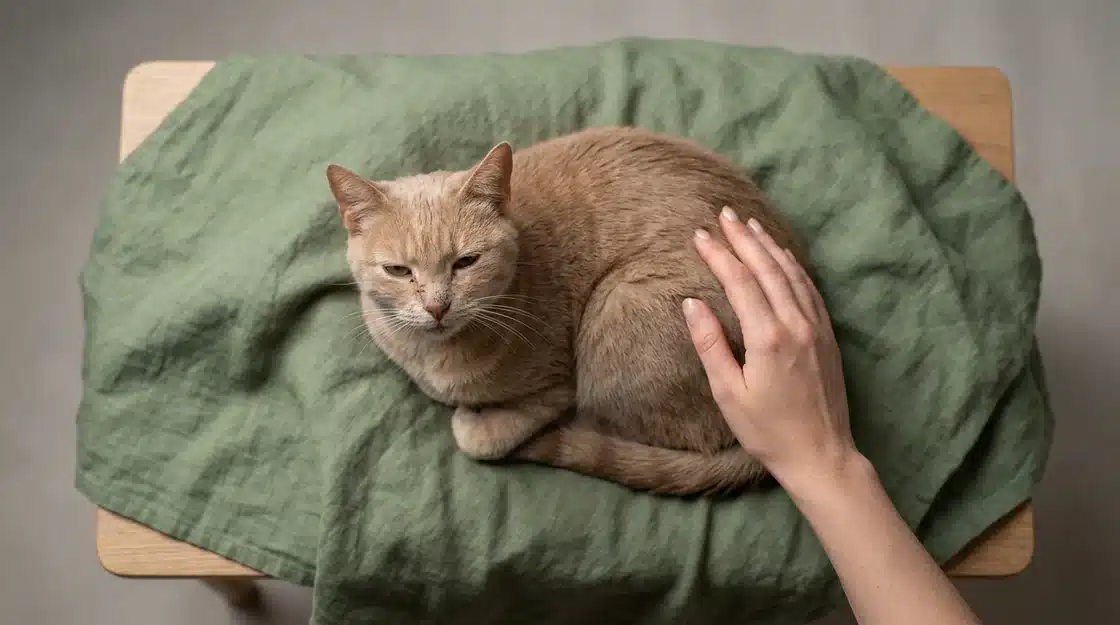
The landscape of veterinary diagnostics for feline dehydration has sharpened considerably, moving beyond just a quick skin tent test. What most people miss is how a vet really confirms what’s happening internally. A full physical exam often starts the process, checking for things like tacky gums or sunken eyes, but the true picture emerges from specific lab work. Blood tests are a cornerstone here. A packed cell volume (PCV) or hematocrit reading, for instance, measures the percentage of red blood cells in the blood; an elevated PCV often signals dehydration because the fluid component of the blood is reduced. Vets also look at blood urea nitrogen (BUN) and creatinine levels, which can appear concentrated when a cat isn’t adequately hydrated, according to a study published in the Journal of Feline Medicine and Surgery. These indicators suggest the kidneys are working harder with less fluid. “It’s not just about how much water they’ve had, but how their body is processing it,” explains Dr. Evelyn Reed, a veterinary internal medicine specialist. “We’re often trying to pinpoint not just *if* they’re dehydrated, but *why*—is it kidney disease, diabetes, or something else entirely?” Urine analysis also plays a important role. Highly concentrated urine with a high specific gravity reading can confirm a lack of sufficient fluid intake or excessive fluid loss. — And sometimes, this can even connect to other health concerns, much like understanding the nuances of detecting early arthritis in senior dogs. Vets might also perform electrolyte panels to check sodium, potassium, and chloride levels. Imbalances here can dramatically affect a cat’s well-being and indicate underlying conditions contributing to dehydration. For example, a cat with uncontrolled diabetes might exhibit both dehydration and electrolyte disturbances. The shift in diagnostics allows for a much more targeted approach to treatment, moving beyond simple rehydration to addressing the root cause. This detailed approach is a far cry from older methods, much like modern techniques have revolutionized cat dental care for first-time owners.
Proactive Hydration Strategies: An Evolving Approach
Most cat owners react to dehydration; what if we could prevent it? The shift towards proactive hydration isn’t just a trend; it’s a necessary evolution in feline care. We’re moving beyond merely identifying symptoms to actively shaping environments and diets that encourage consistent fluid intake. Dr. Anya Sharma, a veterinary nutritionist at Tufts University, points out that “many feline health issues, from urinary tract problems to kidney disease, are exacerbated by chronic, mild dehydration that often goes unnoticed by owners.” This suggests that our traditional understanding of ‘enough water’ for cats might be fundamentally flawed.
Dietary Enhancements: The Role of Wet Food and Supplements
A cat’s diet plays a pivotal role in their hydration. Dry kibble, while convenient, contains only about 6-10% moisture. Compare that to a cat’s natural prey, which is roughly 70-75% water, or wet food, typically 75-85%. The difference is stark. Incorporating more wet food into your cat’s diet is perhaps the simplest and most effective way to boost their daily fluid intake. Surprisingly, many owners underestimate its impact. Consider a study published in the Journal of Feline Medicine and Surgery that found cats fed exclusively wet food had a 28% higher daily water intake than those on a dry-food-only diet.
Hydration-Boosting Cat Treats
Beyond main meals, specific treats can also contribute. Look for liquid or semi-liquid treats designed for hydration. Some cat owners even freeze these treats into small, lickable portions — a genius move, especially during warmer months.
Environmental Enrichment: Making Water Appealing
Cats are notoriously particular about their water. Is it the bowl? The location? Both, it turns out. Creating an appealing water station is less about luxury and more about understanding feline instincts. Here are some actionable steps to make water irresistible:
- Multiple Water Stations: Place several bowls or fountains around your home. Just like we sometimes forget to drink unless water is nearby, cats appreciate convenience. Consider different materials; some cats prefer ceramic, others stainless steel, or even glass.
- Running Water Sources: Many cats are drawn to moving water, instinctively associating it with freshness. A cat water fountain can significantly increase their interest. I suspect that the subtle gurgling sound also plays a role in attracting them.
- Location, Location, Location: Never place water bowls directly next to food bowls or litter boxes. Cats often avoid drinking near their eating areas (another instinct from the wild) and certainly near their waste. Try locations away from high-traffic areas, perhaps on a windowsill or a quiet corner.
- Flavor Enhancers (Subtle): A drop of tuna juice (unsalted, of course) or a tiny bit of low-sodium chicken broth can sometimes entice a reluctant drinker. This isn’t a long-term solution, but it can kickstart better habits. For more ideas on creating stimulating environments, explore /evolving-trends-safe-indoor-enrichment-cats.
Routine and Monitoring: Establishing Healthy Habits
Consistency is key. Establishing a routine for fresh water changes and observing your cat’s drinking habits can reveal patterns before they become problems. A simple way to do this is to measure the amount of water you put out each morning and observe how much remains by evening. This helps you track their baseline intake. Think of it like a personal fitness tracker, but for your cat’s hydration. A sudden drop in consumption, say 35% less than their average over two days, should prompt a closer look or a call to your vet. This kind of diligent observation can be as vital as the cutting-edge diagnostic tools discussed in the previous section.
When to Seek Urgent Veterinary Care for Dehydration
Severe dehydration can quickly become a life-threatening crisis for your feline companion. Recognizing the critical signs demands immediate action. What most people miss is how rapidly a cat’s condition can deteriorate once dehydration takes hold.
Recognizing Critical Dehydration Symptoms
Don’t wait for subtle cues when these alarms sound. Look for marked lethargy, where your cat is unresponsive or barely moves. Their eyes might appear significantly sunken into their sockets, a clear indicator of fluid loss. Another telling sign is prolonged skin tenting; if you gently pull the skin between their shoulder blades and it remains elevated for more than two seconds, that’s a red flag. Dr. Amelia Thompson, a veterinary critical care specialist at the Animal Medical Center, warns that “a capillary refill time exceeding 3 seconds, coupled with cold extremities, indicates profound shock and requires immediate intervention.” This means pressing on their gums until they blanch and noting how long it takes for color to return. A normal response is under two seconds. You might also observe a complete absence of urination or dark, concentrated urine. Vomiting and diarrhea, especially when persistent, will exacerbate fluid loss and push a dehydrated cat further into danger. According to a study published in the Journal of Feline Medicine and Surgery, delayed presentation of severely dehydrated cats correlated with a 47% increase in mortality rates compared to those receiving prompt care. — a stark reminder of the urgency involved.
First Aid Measures Before the Vet
Time is major when you suspect severe dehydration. Your primary goal is to stabilize your cat enough for the journey to the vet. Do not attempt to force water into a cat that is severely lethargic or vomiting; this can lead to aspiration pneumonia, complicating their condition further. Instead, offer small amounts of water or an unflavored electrolyte solution, like Pedialyte, using a syringe if they show any willingness to swallow. Placing a shallow bowl of fresh water nearby might also tempt them. Keep them in a cool, quiet, and comfortable environment, away from stress. You might consider wrapping them gently in a towel to maintain body temperature if they feel cold, but avoid overheating. While these steps are helpful, they are merely temporary bridges to professional medical attention. Getting to an emergency veterinary clinic as quickly as possible is the only way to effectively address severe dehydration, which often requires intravenous fluid therapy and thorough diagnostic workups, similar to the meticulous care needed in detecting early arthritis in senior dogs or even pioneering cat dental care. Don’t underestimate the severity; every minute counts.
Securing a Hydrated Future for Your Feline
The journey to understanding and ensuring optimal feline hydration is an ongoing one, far removed from a simple water bowl. Instead of viewing hydration as a reactive measure to illness, consider it a foundational pillar of proactive wellness, deeply intertwined with every aspect of your cat’s health. The true challenge lies not just in identifying dehydration, but in consistently integrating innovative strategies and keen observation into your daily routine. What if our collective approach to feline care shifted from merely treating symptoms to actively cultivating environments where dehydration becomes a rarity? The next step is to transform this knowledge into action, making every sip count towards a healthier, happier life for our cherished companions.
Frequently Asked Questions About Feline Hydration
How much water should my cat drink daily?
The general guideline is about 2-4 ounces of water per 5 pounds of body weight daily. this can vary significantly based on diet (wet vs. dry food), activity level, environmental temperature, and overall health. Cats on a solely wet food diet may drink less from a bowl as they get much of their moisture from their food.
Can feeding wet food prevent dehydration in cats?
Yes, feeding wet food is one of the most effective ways to boost your cat’s daily fluid intake. Wet food typically contains 75-85% moisture, closely mimicking the water content of a cat’s natural prey. This significantly contributes to their hydration, often reducing the need for them to drink large amounts from a water bowl.
What are the most common causes of dehydration in cats?
The most common causes include a naturally low thirst drive, a diet primarily consisting of dry kibble, and underlying health issues such as kidney disease, diabetes, or gastrointestinal problems like vomiting and diarrhea. Environmental factors like hot weather can also increase fluid loss. Cats are also particular about their water source, often preferring fresh, moving water.
Are there specific cat breeds more prone to dehydration?
While no specific breed is inherently more prone to dehydration due to genetic factors, certain breeds might have characteristics that indirectly affect their water intake. For example, some long-haired breeds might be more susceptible to overheating, increasing their fluid needs. individual cat preferences and environmental factors play a larger role than breed.
How quickly can a cat become dehydrated?
A cat can become dehydrated relatively quickly, especially if they are ill (e.g., vomiting, diarrhea), in a hot environment, or have an underlying condition like kidney disease. Even a few days of insufficient water intake can lead to mild to moderate dehydration, while severe cases can develop within 24-48 hours in critical situations. Early detection and intervention are key.