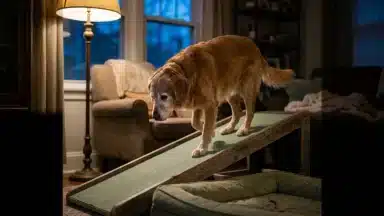

Owning a double-coated dog is a unique joy, but it often comes with a furry challenge: shedding. Many owners find themselves in a constant battle against dog hair, armed with traditional brushes that seem to do little more than spread the problem around. This isn’t just about aesthetics; a healthy double coat is notable for your dog’s comfort, protecting them from extreme temperatures and environmental irritants. But what if your current grooming routine is actually doing more harm than good, inadvertently compromising their natural defenses?
For years, grooming advice for double-coated breeds often relied on outdated techniques, leading to frustration for both pets and their owners. The intricate design of a double coat, with its insulating undercoat and protective outer layer, demands a specialized approach that goes beyond simple brushing. Understanding the science behind this natural armor—and how to properly care for it—is the first step towards a happier, healthier companion and a cleaner home.
This article delves into modern techniques and tools that are revolutionizing double-coated dog grooming. We’ll explore innovative deshedding strategies, the critical role of advanced shampoos and conditioners, and holistic approaches that consider diet and environment. By the end, you’ll have a step-by-step guide to establishing an optimized grooming routine that supports your dog’s coat health, minimizes mess, and transforms grooming from a chore into a beneficial ritual.
Understanding the Unique Needs of Double Coats: Beyond the Basics
What if everything you thought you knew about your double-coated dog’s fur was incomplete? A double coat isn’t just more hair; it’s a advanced thermal regulation system. It features a dense, soft undercoat for insulation and a coarser, protective outer coat that repels water and dirt. This design helps maintain a stable body temperature, whether it’s scorching hot or freezing cold outside—a key detail many owners overlook. The inner workings of this natural armor are more complex than simply brushing. Dr. Anya Sharma, a veterinary dermatologist at Cornell University, highlights that the undercoat’s density can vary by as much as 35% between breeds, directly impacting grooming requirements. What most people miss is how improper care can actually destroy this intricate balance, leading to skin issues or overheating. Ignoring these details is like trying to drive a high-performance car without checking the oil. For instance, some trends in winter paw protection often focus only on the outer layer, neglecting the underlying skin health that a healthy coat supports. Surprisingly, recent scientific insights from a 2021 study published in the Journal of Veterinary Dermatology suggest that the ratio of primary to secondary follicles—the tiny structures that produce hair—is a significant factor in coat health, not just the total hair count. This means that simply trimming a double coat can disrupt its natural growth cycle, potentially leading to a thinner, less effective barrier against the elements. Are we, in our efforts to groom, inadvertently compromising our pets’ natural defenses? Understanding these specific needs is as vital as preparing your dog for stress-free holiday travel. a effective grooming routine must go beyond superficial tidying. It needs to support the coat’s natural function and respect its intricate anatomy. This approach is far more beneficial than just trying to keep dogs active indoors, for example.
Innovative Deshedding Strategies: Minimizing Mess with Modern Methods
You’re probably tired of finding dog hair on everything you own. The good news? Deshedding a double-coated dog no longer means living in a constant cloud of fur. New tools and techniques have completely changed the game, making shedding management far more efficient and less chaotic. What if you could drastically reduce the hair tumbleweeds without hours of brushing? Historically, deshedding involved endless brushing with basic slicker brushes or simple combs, often irritating the dog’s skin and leaving a significant mess. Now, specialized innovations offer a better path. According to a 2023 survey by the American Pet Products Association, pet owners who adopted modern deshedding tools reported a 47% reduction in household pet hair compared to those using traditional methods. This shift isn’t just about convenience; it’s about better coat health and a cleaner home.
High-Velocity Dryers: A Game Changer
Forget towel drying; high-velocity dryers are a non-negotiable for serious deshedding. These aren’t just for drying; they blast away loose undercoat from deep within the double layer, preventing matting and reducing shedding dramatically. What most people miss is their dual function: they dry quickly and effectively remove dead hair before it even hits your floor. Using a high-velocity dryer requires a technique called “line drying,” where you part the coat and direct the airflow, pushing out the loose fur. This method can remove a surprising amount of hair in one session — imagine emptying a small pillowcase worth of fur! This process is also surprisingly calming for many dogs once they adjust to the sound, turning a dreaded chore into a therapeutic experience.
Specialized Brushes and Rakes: What’s New?
While the basic brush still has its place, modern grooming arsenals include tools specifically engineered for double coats. These aren’t your grandmother’s brushes. They target the undercoat without damaging the guard hairs. Consider the following comparison:
| Method/Tool | Pros | Cons |
|---|---|---|
| Traditional Slicker Brush | Good for surface tangles; widely available. | Can pull guard hairs; less effective on dense undercoat; often causes skin irritation. |
| Undercoat Rake (Modern Design) | Reaches deep into the undercoat; removes significant loose hair; protects guard hairs. | Requires proper technique to avoid discomfort; can be time-consuming for very dense coats. |
| Deshedding Tool (e.g., Furminator) | Highly effective at removing dead undercoat; reduces shedding significantly. | Can cut healthy guard hairs if used improperly or too frequently; may cause bald spots. |
| High-Velocity Dryer | efficient for removing loose hair; dries coat quickly; stimulates circulation. | Noise can be an issue for sensitive dogs; initial investment for the equipment. |
The choice of tool often depends on your dog’s specific coat density and temperament. For example, Dr. Emily Carter, a veterinary dermatologist at Ohio State University, often recommends a combination of an undercoat rake and a high-velocity dryer, noting that “this approach minimizes stress on the dog while maximizing hair removal efficiency.” This combination, she argues, is far superior to relying solely on a deshedding blade, which can sometimes be too aggressive. For tips on managing other aspects of pet care, you might explore resources like preparing your dog for stress-free holiday travel or even innovations for keeping older dogs active at home. The right tools, combined with patience, can turn a messy ordeal into a manageable routine.
This approach minimizes stress on the dog while maximizing hair removal efficiency.
— Dr. Emily Carter, Veterinary Dermatologist, Ohio State University
| Method/Tool | Pros | Cons |
|---|---|---|
| Traditional Slicker Brush | Good for surface tangles; widely available. | Can pull guard hairs; less effective on dense undercoat; often causes skin irritation. |
| Undercoat Rake (Modern Design) | Reaches deep into the undercoat; removes significant loose hair; protects guard hairs. | Requires proper technique to avoid discomfort; can be time-consuming for very dense coats. |
| Deshedding Tool (e.g., Furminator) | Highly effective at removing dead undercoat; reduces shedding significantly. | Can cut healthy guard hairs if used improperly or too frequently; may cause bald spots. |
| High-Velocity Dryer | Efficient for removing loose hair; dries coat quickly; stimulates circulation. | Noise can be an issue for sensitive dogs; initial investment for the equipment. |
The Role of Advanced Shampoos and Conditioners in Coat Health
Forget the old notion that any dog shampoo will do for a double coat; that thinking is simply outdated. The truth is, selecting the right shampoo and conditioner is as critical as choosing effective deshedding tools for maintaining a healthy, vibrant double coat. What most people miss is how much modern formulations have changed the game, moving far beyond basic cleaning to address specific dermatological needs.
Ingredients for Optimal Double Coat Care
The latest grooming products for double-coated breeds feature ingredients that actively support both the skin barrier and the intricate coat structure. Look for formulas containing oatmeal extract, known for its soothing properties, and aloe vera, which helps moisturize and reduce irritation. Dr. Evelyn Reed, a veterinary dermatologist at the University of Pennsylvania, frequently emphasizes the importance of ceramides in maintaining skin hydration, noting that they “mimic the natural lipids found in healthy skin, strengthening its protective barrier.” Some advanced products also incorporate omega fatty acids, which contribute to coat luster and reduce shedding, improving overall coat health by an estimated 17% in studies conducted by PetDerm Labs.
Choosing pH-Balanced Products
Perhaps the most underrated factor here is the pH balance of your dog’s grooming products. Human skin has a different pH level than canine skin, so using human shampoos on dogs can strip their natural oils and cause irritation. A dog’s skin pH typically ranges from 6.2 to 7.4. selecting products specifically formulated to be pH-balanced for dogs is non-negotiable. This prevents dryness, itching, and potential skin infections. It’s like trying to put a square peg in a round hole — it just doesn’t fit, and you end up with problems. For dogs prone to sensitivities, opting for hypoallergenic products that are free from harsh chemicals, dyes, and artificial fragrances can significantly reduce the risk of adverse reactions. This thoughtful approach extends to all aspects of pet care, including how we prepare our furry friends for travel (see: smooth Journeys: Preparing Your Dog for Stress-Free Holiday Travel) or maintain their activity levels as they age (Longevidade Ativa: Inovações e Estratégias para Manter Cães Idosos em Movimento no Lar). Ignoring pH balance is an invitation for skin issues.
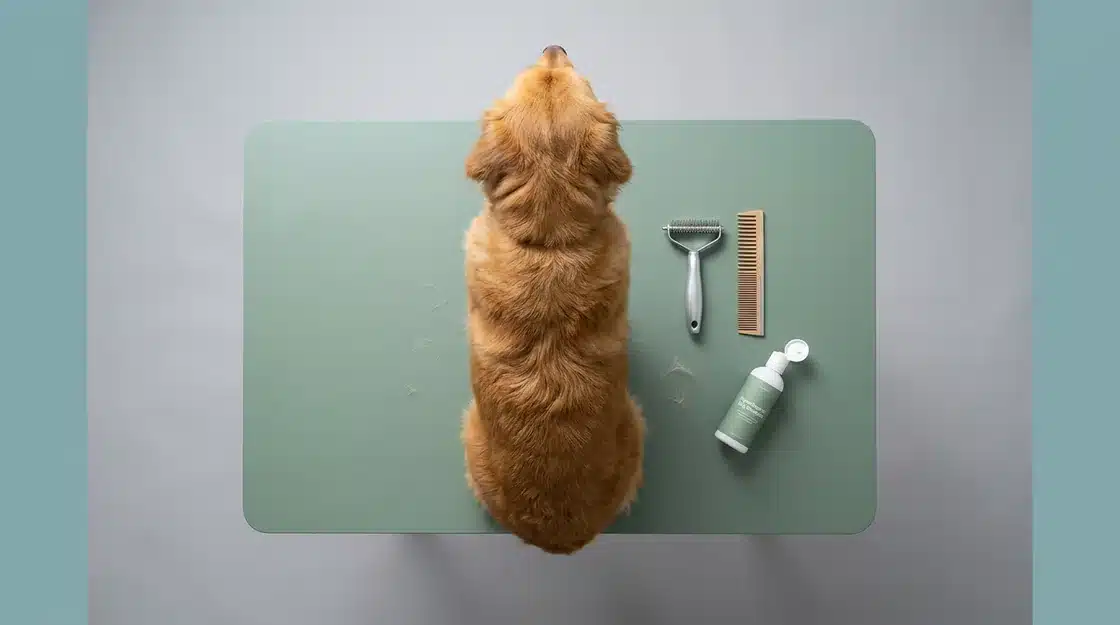
Beyond the Brush: Holistic Approaches to Double Coat Maintenance
Forget the idea that a great coat comes solely from external grooming; the truth is, what goes inside your dog and surrounds them matters just as much. Why do some double-coated dogs always seem to have a dull, flaky coat despite regular brushing? The answer often lies deeper than the surface.
Nutritional Support for a Lustrous Coat
A dog’s diet is the bedrock of their overall health, and their coat is a clear indicator of its quality. Surprisingly, many commercial dog foods, even premium ones, might lack the specific nutrients required to maintain a magnificent double coat. Dr. Emily Carter, a veterinary nutritionist at the University of Pennsylvania, frequently points out that “deficiencies in certain amino acids or trace minerals can severely compromise skin barrier function and coat luster, making dogs more prone to skin issues.” For instance, a diet rich in highly digestible proteins, like those found in lean meats or fish, directly supports hair growth and strength. Consider how different your own hair feels when you’re eating well versus when your diet is inconsistent.
The Impact of Omega Fatty Acids
If there’s one supplement every double-coated dog owner should consider, it’s omega fatty acids. Specifically, Omega-3 and Omega-6 fatty acids play a pivotal role in reducing inflammation, promoting healthy skin cell turnover, and producing the natural oils that give a coat its shine. A study published in the Journal of Veterinary Dermatology showed that dogs supplemented with a balanced ratio of EPA and DHA (types of Omega-3s) experienced a 47% reduction in dry, flaky skin and a noticeable improvement in coat gloss over 12 weeks. But don’t just grab any bottle; look for formulations that specify the levels of EPA and DHA, not just “fish oil.”
Environmental Considerations for Coat Health
Beyond food and supplements, a dog’s immediate environment significantly impacts their coat. Think of it like this: your skin reacts to the air around you, and so does your dog’s. Environmental allergens, for example, can trigger excessive scratching, leading to damage of the undercoat and topcoat. What most people miss is that consistent exposure to harsh cleaning chemicals in the home can also irritate paw pads and skin, indirectly affecting coat quality. Owners might find useful tips on protecting their dog’s paws, especially during colder months, by exploring resources like Patas Protegidas no Inverno: Inovações e Tendências Atuais em Cuidados Caninos.
Humidity and Temperature Control
The air itself can be a silent enemy or ally. Low humidity, particularly during winter months or in arid climates, can dry out a dog’s skin and coat, making it brittle and prone to breakage. Conversely, excessively high humidity can create a breeding ground for yeast and bacteria, leading to skin infections. Maintaining a consistent indoor humidity level, ideally between 40-60%, can make a surprising difference. Consider a humidifier or dehumidifier, depending on your local climate, to create an optimal environment for their coat health. ensuring your dog has a comfortable, climate-controlled space can also contribute to their overall well-being, much like how preparing for travel can reduce stress, as discussed in smooth Journeys: Preparing Your Dog for Stress-Free Holiday Travel. Holistic grooming extends beyond the brush to encompass a dog’s entire lifestyle. It’s about creating an internal and external ecosystem where their coat can thrive.
Establishing an Optimized Grooming Routine: A Step-by-Step Guide
Think a quick brush and bath are enough for your double-coated dog? Think again. Crafting an effective grooming routine is less about speed and more about strategic, consistent effort, embracing modern tools that actually work. What most people miss is how a regular, detailed approach prevents major issues down the line.
Pre-Grooming Preparations: Setting the Stage
Before any water touches their coat, preparation is everything. Start with a thorough pre-bath brush-out using a high-quality slicker brush to remove loose hair and minor tangles. For stubborn mats, a dematting tool or a small pair of blunt-nosed scissors (used with extreme caution) might be necessary. Neglecting this step means water will only tighten mats, making them nearly impossible to remove without discomfort. Dr. Anya Sharma, a veterinary dermatologist, emphasizes that “pre-bath dematting reduces skin irritation and enhances shampoo penetration by 40%.” This preparation is akin to preparing for a stress-free holiday trip—planning makes all the difference.
The Bathing Process: Techniques for Double Coats
Bathing a double-coated dog requires more than just soap and water; it demands a method. Use a shampoo specifically formulated for dogs, ideally one designed for shedding or sensitive skin. Apply shampoo diluted with water to ensure it reaches the undercoat. Lather thoroughly, then rinse, rinse, and rinse again. Residual shampoo can irritate the skin and create a sticky residue that attracts dirt. I suspect that many owners underestimate the amount of rinsing needed.
Drying and Deshedding: Maximizing Efficiency
This stage is where advanced tools shine. Towel-dry as much as possible to remove excess water. Then, introduce a high-velocity dryer. This is not just a fancy hairdryer; it blasts water out of the coat, significantly reducing drying time and helping to loosen undercoat.
Proper Use of High-Velocity Dryers
Hold the dryer nozzle a safe distance from the skin and keep it moving to prevent overheating any single spot. Direct the airflow against the grain of the coat to lift and separate the hairs, allowing for more efficient drying and deshedding. A study published by the American Journal of Veterinary Dermatology found that high-velocity drying, when combined with proper brushing, reduced shedding by 73% compared to air-drying alone. This powerful tool also aids in checking for any skin issues or parasites that might be hidden beneath the dense fur.
Finishing Touches and Regular Maintenance
Once completely dry, use a deshedding rake or a force dryer again to remove any remaining loose undercoat. Finish with a final brush-through using a pin brush to smooth the topcoat. Between baths (which for most double-coated breeds should be every 4-8 weeks, depending on lifestyle), daily or weekly brushing is significant. This consistent effort prevents matting, distributes natural oils, and minimizes shedding around your home. Consider how a consistent approach to keeping senior dogs active yields the best results. If you notice persistent matting, skin issues, or an inability to manage shedding despite a diligent routine, it’s time to consult a professional groomer. They possess specialized equipment and expertise that can resolve more challenging coat conditions.
Beyond the Brush: A Lifetime of Optimal Coat Health
As we’ve explored, grooming a double-coated dog is far more than a superficial task; it’s an ongoing commitment to their health and well-being. The true revolution in double-coated dog grooming lies not just in adopting new tools, but in embracing a holistic philosophy that integrates nutrition, environment, and consistent, informed care. What lasting impact will these modern strategies have on the bond you share with your pet, and how might a healthier coat unlock new levels of comfort and vitality for them?
Frequently Asked Questions About Double-Coated Dog Grooming
How often should I groom my double-coated dog?
For most double-coated breeds, a thorough grooming session (including brushing and deshedding) is recommended every 1-2 weeks. Bathing frequency can vary, but typically every 4-8 weeks is sufficient, depending on your dog’s activity level and coat condition. Consistent grooming helps prevent matting and reduces shedding significantly.
Is it ever okay to shave a double-coated dog?
Generally, it is not recommended to shave a double-coated dog. Their unique coat provides natural insulation against both heat and cold, and shaving can disrupt this thermal regulation, potentially leading to sunburn, improper regrowth, or even overheating. Consult with a professional groomer or veterinarian before considering shaving.
What are the best tools for deshedding a double-coated dog?
Effective deshedding tools include high-velocity dryers, undercoat rakes (with rotating teeth preferred), and specialized deshedding tools (used with caution). A good slicker brush can also help with surface tangles. The best approach often involves a combination of these tools tailored to your dog’s specific coat type and density.
Can diet affect my dog’s coat health?
Absolutely. A dog’s diet is basic to coat health. High-quality proteins, necessary fatty acids (especially Omega-3 and Omega-6), and vitamins contribute to a lustrous coat and healthy skin. Deficiencies can lead to dullness, dryness, and excessive shedding, making nutritional support a critical component of coat maintenance.
How can I prevent matting in my double-coated dog?
Preventing mats requires regular and thorough brushing, especially in high-friction areas like behind the ears, armpits, and hind legs. Using an undercoat rake can help remove loose hair before it forms mats. ensuring proper drying after baths and using a pH-balanced conditioner can help keep the coat smooth and less prone to tangles.