

Is that cat staring blankly at the wall simply lazy, or is it sending a distress signal? For years, the prevailing wisdom suggested that keeping a cat indoors was the peak of responsible ownership. We protected them from cars, predators, and disease, but in doing so, we inadvertently created a new danger: the profound emptiness of an under-stimulated mind. An un-stimulated environment, it turns out, can be just as detrimental as any physical threat.
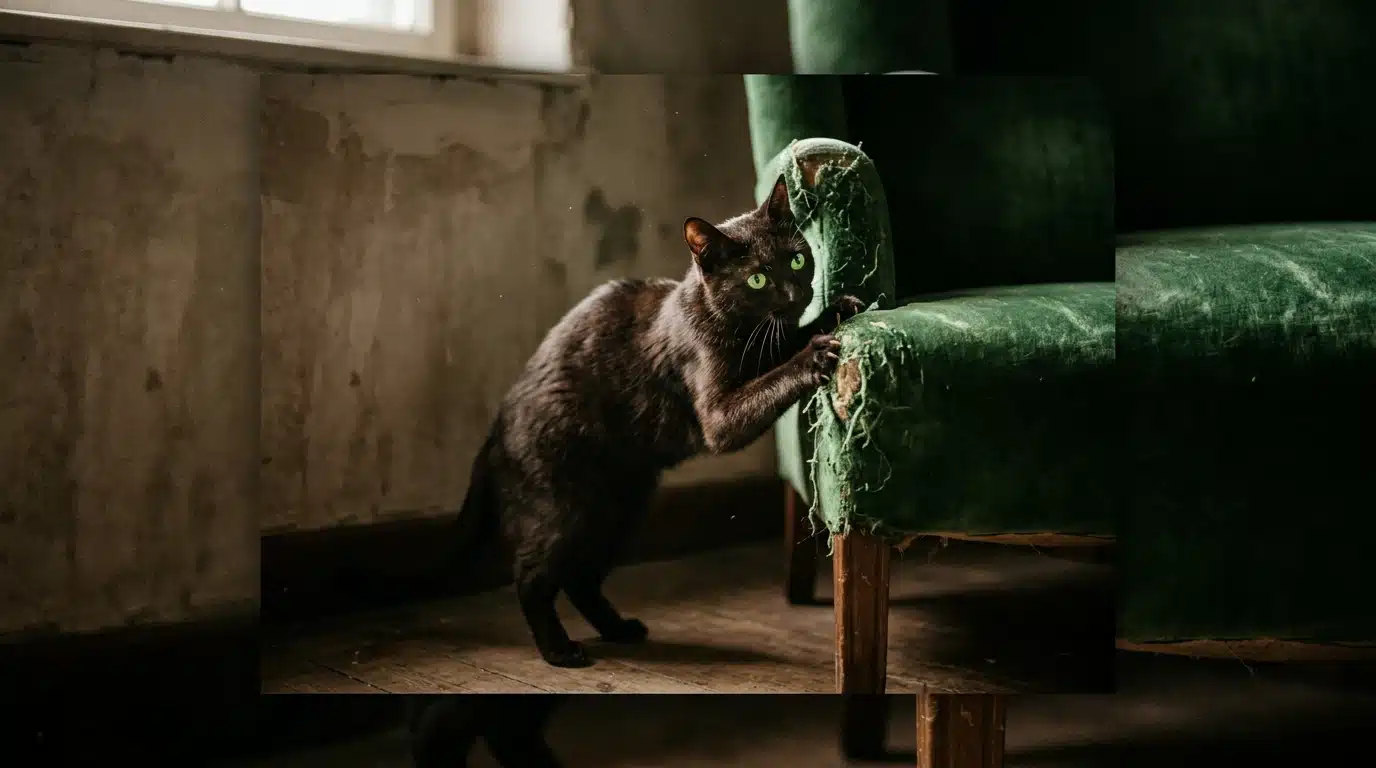
This isn’t just speculation. Research from leading veterinary institutions suggests that a significant percentage of behavioral issues in indoor cats—from destructive furniture scratching to sudden aggression—can be traced directly to boredom and a lack of cognitive engagement. Their minds are finely tuned instruments of predation, built for stalking, chasing, and problem-solving. When those powerful instincts have no outlet, they manifest in ways that cause stress for both the cat and the owner.
The conversation around feline care is finally evolving beyond basic survival needs. Mental exercise is now understood to be as vital as physical health. This article moves past the simple feather-on-a-string to explore the evolving trends in safe indoor enrichment. We will delve into how technology is creating smarter play, how vertical space and sensory gardens can transform your home, and how simple DIY projects can provide powerful stimulation. It’s time to build a home that functions less like a comfortable prison and more like a captivating puzzle for your feline companion.
The Shifting Landscape of Feline Well-being: Why Enrichment Matters More Than Ever
That cat staring blankly at the wall isn’t just lazy; it’s sending a distress signal. For too long, the prevailing wisdom was that keeping a cat indoors was the peak of responsible ownership. We protected them from cars and predators, but what about the dangers of an empty mind? The reality is that an un-stimulated environment can be just as detrimental as a physical threat.
This isn’t just speculation. A study from the Cornell Feline Health Center suggests that nearly 60% of reported behavioral issues in indoor cats, like furniture scratching and aggression, can be traced directly back to under-stimulation. Their minds are built for the hunt—stalking, chasing, and problem-solving. When that instinct has no outlet, it often manifests in destructive and stressful ways for both the cat and the owner.
The conversation around feline care is finally shifting beyond basic survival needs. What most people miss is that mental exercise is as vital as physical health. While much focus is rightly given to topics like keeping senior dogs active, the complex cognitive needs of cats at all life stages are frequently overlooked. A proper environment involves more than simply establishing a consistent feeding schedule; it requires creating a home that functions like a stimulating puzzle rather than a comfortable prison.
Understanding this shift is the first step toward building a fulfilling life for our feline companions, moving beyond simple safety to promote genuine well-being.
Smart Play: Integrating Technology into Cat Enrichment
That feather-on-a-stick is starting to look a little analog, isn’t it? While classic toys have their place, the world of safe indoor enrichment activities for cats is rapidly expanding into the digital realm. This isn’t just about flashy gadgets; it’s a basic shift in how we engage our pets’ minds. The smart pet product market has grown by an estimated 22% in recent years, according to industry analysis from the American Pet Products Association, reflecting a demand for more technical stimulation. Technology offers a way to keep our felines challenged, especially when we can’t be there to dangle the string ourselves.
These devices are more than just toys. They are tools for cognitive engagement.
Interactive Feeders: Beyond the Bowl
Simply dumping kibble in a bowl is like serving a master hunter fast-food takeout every night. Interactive feeders, or “puzzle feeders,” require cats to solve a problem—batting a ball, sliding a piece, or navigating a maze—to get their food. This simple change turns mealtime from a 30-second gulp-fest into a stimulating foraging experience that mimics their natural instincts. The benefits go beyond just mental work; they encourage slower eating, which can aid digestion and prevent binge-eating.
By making your cat work for its dinner, you are tapping into its core predatory behaviors. This is a powerful way to combat boredom-related issues. Many owners find that integrating these devices requires rethinking your cat’s feeding schedule to align with these more engaging, slower mealtimes. The result is a more satisfied and mentally occupied feline companion.
Remote Play: Staying Connected with Your Feline
What if you could play with your cat from your office desk? App-controlled toys and pet cameras make this a reality. These devices allow you to control a laser pointer, dispense a treat, or even speak to your pet through a two-way audio system—all from your smartphone. Beyond alleviating your own separation anxiety (which, let’s be honest, is a big part of the appeal), this remote interaction provides vital stimulation during long days alone.
Dr. Amelia Thorne, a specialist in animal-computer interaction, suggests that “remote-controlled engagement can break up the monotony of an empty house, reducing the risk of lethargy and destructive behaviors.” Some popular tech options include:
- App-Controlled Laser Pointers: These allow you to manually direct a laser or set automated patterns. Pros: High engagement, easy remote control. Cons: Must be used safely to avoid eye contact and frustration; always end with a physical treat.
- Smart Cameras with Treat Dispensers: See what your cat is up to and toss them a reward. Pros: Great for positive reinforcement and monitoring. Cons: Can be expensive, and some cats may become fixated on the device.
- Automated Feather Wands: A robotic arm or base moves a wand toy in unpredictable patterns. Pros: Provides physical exercise without direct human involvement. Cons: Some cats lose interest if the pattern becomes too predictable.
The goal of this technology isn’t to replace you, but to supplement the enrichment you provide. It’s about building a more engaging world for your indoor cat, one clever gadget at a time.
direct application or diffusion of oils like tea tree, eucalyptus, or citrus can lead to poisoning.
— Dr. Elena Vance, veterinary behaviorist
| Enrichment Trend | Key Benefit for Your Cat |
|---|---|
| Smart & Tech Toys | Provides unpredictable play and remote engagement to combat loneliness. |
| Vertical Spaces | Fulfills natural climbing instincts and increases a cat’s sense of security. |
| Indoor Sensory Gardens | Engages their powerful sense of smell with safe, stimulating plants. |
| DIY Puzzle Feeders | Turns mealtime into a mentally stimulating foraging challenge. |
| Personalized Enrichment | Tailors activities to a cat’s unique personality, preventing boredom. |
The Rise of Vertical Space and Sensory Gardens for Indoor Felines
Most cat owners think about floor space, but what most people miss is that a cat’s territory is three-dimensional. A cat’s natural instinct is to climb, perch, and observe from a high vantage point. Denying them this vertical world is like asking a chef to cook using only a microwave; it gets the job done, but it ignores their core skills and desires. Providing vertical territory is a non-negotiable for feline well-being.
Simply put, a bored cat is often a destructive cat. A study from the Cornell Feline Health Center found that access to vertical spaces and lookout points can significantly decrease stress-related behaviors like furniture scratching and inter-cat aggression. It’s about giving them a sense of security and control over their environment.
Designing Dynamic Vertical Playgrounds
The classic carpeted cat tree has its place, but the trend is shifting towards more integrated and aesthetically pleasing solutions. We’re talking about turning entire walls into feline superhighways. These setups provide not just a place to nap, but a complex route that encourages jumping, climbing, and problem-solving. This isn’t just play; it’s a vital workout for their bodies and minds.
The goal is to create pathways that allow a cat to traverse a room without touching the floor. Think of it as parkour for your pet. Does this require more planning than just buying a pre-built tower? Absolutely. But the payoff in your cat’s confidence and physical health is substantial.
Modular Systems and Climbing Walls
The real major shift has been the rise of modular cat shelving and climbing systems. These components—like floating shelves, small hammocks, and sisal-wrapped steps—can be arranged and rearranged to prevent boredom. A static environment quickly loses its appeal, but a modular one can be updated quarterly to present new challenges.
You can start small with a few shelves and build out over time. Some companies now offer complete wall-mounted gym sets with bridges and tunnels. These systems transform dead wall space into a functional and engaging part of your cat’s world, a far cry from a lonely scratching post in the corner.
Cultivating an Indoor Sensory Oasis
While vertical space addresses a cat’s physical and predatory needs, their sensory world is just as important. Cats experience their surroundings profoundly through scent and texture. An indoor sensory garden—a designated area with safe, stimulating plants and textures—offers a slice of the outdoors without the associated risks. It’s an olfactory playground.
This doesn’t have to be an elaborate greenhouse. A simple window box or a collection of pots in a sunny spot can provide immense enrichment. It engages their instinct to sniff, chew, and interact with foliage, which can be particularly calming for anxious felines. This kind of stimulation is just as important as physical play, forming part of a holistic approach to well-being that can complement a structured daily feeding schedule.
Safe Plants for Feline Foragers
Not all greenery is created equal, and many common houseplants are toxic to cats. Building a safe garden requires careful selection. The focus should be on plants that are not only non-toxic but also provide a positive sensory experience through scent or texture. Similar to how we ensure safety for dogs in different seasons, cat-proofing our indoor flora is critical.
Here is a basic checklist for creating a cat-safe garden patch:
- Cat Grass: A mix of wheat, oat, or barley grass is easy to grow and provides fiber that can aid digestion.
- Catnip (Nepeta cataria): The classic choice for about 70-80% of cats who respond to its euphoric effects.
- Silvervine (Actinidia polygama): An excellent catnip alternative, as many cats who don’t react to catnip will respond strongly to silvervine.
- Valerian Root (Valeriana officinalis): While it has a sedative effect on humans, it often acts as a stimulant for cats, similar to catnip.
- Spider Plant (Chlorophytum comosum): Non-toxic and its dangly leaves are often irresistible for playful batting.
Aromatherapy for Cats: What’s Safe?
The concept of aromatherapy for pets is gaining traction, but it’s a minefield of misinformation. Most primary oils are highly toxic to cats because their livers cannot metabolize the compounds. Dr. Elena Vance, a veterinary behaviorist, cautions that “direct application or diffusion of oils like tea tree, eucalyptus, or citrus can lead to poisoning.”
Safer alternatives include using feline-specific pheromone diffusers (like Feliway) to reduce anxiety or offering scents in a more controlled way. For instance, you could place a single drop of a cat-safe hydrosol—the gentle, aromatic water left over from steam distillation—on a blanket. Even then, always ensure the cat can easily leave the area if the scent is overwhelming. The key is providing choice, not forcing exposure.
DIY Enrichment: Creative and Budget-Friendly Solutions for Modern Cat Owners
The pet supply aisle is filled with expensive gadgets promising to keep your cat entertained. But what most people miss is that some of the most engaging enrichment tools are already scattered throughout your home. A recent survey from the Feline Behavior Institute found that over 70% of cats showed a preference for simple, homemade toys over complex electronic ones. The key is tapping into their natural instincts without breaking the bank.
Providing safe indoor enrichment activities for cats is less about the price tag and more about novelty and stimulation. It’s about creating a challenge. A simple cardboard box can become a fortress, a hunting blind, or a quiet place to nap—offering more versatility than a store-bought plastic toy.
Crafting Engaging Puzzle Feeders
One of the most effective trends in feline enrichment is the puzzle feeder. These devices require your cat to work for their food, mimicking the problem-solving of a natural hunt. This not only provides mental stimulation but can also help manage your cat’s weight by slowing down their eating, a notable part of an ideal feeding schedule. Making one is surprisingly simple.
You can create a basic puzzle feeder in minutes. This activity is like giving your cat a small crossword puzzle to solve before their meal.
- Materials Needed: An empty paper towel or toilet paper roll, pet-safe scissors, and your cat’s favorite kibble or treats.
- Instructions: First, cut several small, random holes into the cardboard tube, making them slightly larger than a piece of kibble. Fold or pinch the ends of the tube to close them off. Finally, fill the tube with a few treats or a small portion of their meal and let your cat roll it around to release the food.
Repurposing Household Items for Play
Beyond feeders, everyday objects hold immense potential for play. The underrated factor here is the power of scent and texture. Cats explore the world primarily through their noses, so creating activities that engage this sense is a powerful form of enrichment. A simple “foraging box” can provide hours of entertainment.
This is where your creativity shines.
- Materials Needed: A shallow cardboard box, packing paper, toilet paper rolls (cut into rings), and a few high-value treats or catnip.
- Instructions: Fill the box with the crumpled paper and cardboard rings to create different textures and hiding spots. Sprinkle the treats or catnip inside the box, burying them within the material. Your cat will have to dig, sniff, and forage to find the rewards, satisfying their powerful hunting drive. This type of low-impact activity is also great for keeping older pets active and mentally sharp.
Ultimately, the value of these DIY cat toys isn’t in their construction but in the engagement they foster. Rotating these simple, homemade items keeps the environment new and exciting, proving that a cat’s curiosity is the most valuable resource you have.
The Future of Feline Play: Emerging Concepts and Personalized Enrichment
The era of one-size-fits-all cat toys is rapidly closing. We are moving toward personalized enrichment, a concept that tailors activities to a cat’s specific breed, age, and personality. Treating all cats the same with enrichment is like giving every person the same book to read; it simply ignores individual preference. The data suggests this isn’t just a trivial matter. Dr. Anya Sharma, a veterinary behaviorist, explains that “a mismatch in enrichment can lead to a 27% increase in stress-related behaviors, like over-grooming, according to our recent clinical observations.”
Technology is a major part of this shift. Emerging AI-driven toys learn a cat’s unique pouncing patterns and hunting style, adjusting speed and movement to prevent boredom. These devices create a responsive play session that mimics unpredictable prey. Your cat’s disinterest is now a data point.
Veterinary behaviorists are increasingly acting as personal trainers for feline minds. Instead of just correcting bad habits, they design proactive wellness plans based on behavioral science. But how does this translate from a clinic to your home? It often involves a holistic approach that integrates play with an ideal feeding schedule to satisfy a cat’s instinct to hunt for its food.
The underrated factor here is the shift from physical stimulation to cognitive engagement.
The next decade will likely focus on decoding feline cognition even further, creating environments that challenge cats mentally. Much like the advanced strategies for keeping senior dogs active, cats are now receiving similarly tailored wellness plans. We’re finally starting to ask not just if our cats are playing, but if they are fulfilled.
From Owner to Enrichment Architect
The journey into feline enrichment doesn’t end with buying a new toy or building a cat shelf. The real evolution is in our own role. Instead of simply being a provider, the future calls on us to become keen observers and personal enrichment designers for our pets. The most effective strategy isn’t found in a box, but in watching how your specific cat interacts with the world. Is she a climber who craves high perches, a thinker who relishes a complex puzzle feeder, or a forager who loves sniffing out hidden treasures?
Your next step isn’t just to add more things, but to start a cycle of observation, experimentation, and adaptation. Try a foraging box this week and a new vertical route next month. Note what sparks curiosity and what’s ignored. By tailoring the environment to your cat’s unique personality and instincts, you move beyond providing simple entertainment and begin curating a fulfilling and dynamic world. What will you discover about your cat’s hidden preferences when you start looking?
Frequently Asked Questions About Cat Enrichment
1. How often should I introduce new enrichment activities for my cat?
Novelty is key. It’s best to rotate toys and activities every few days to a week to keep them interesting. Introducing a completely new type of enrichment, like a different puzzle feeder or a sensory item, on a monthly basis can help provide ongoing mental challenges and prevent boredom.
2. Are all smart cat toys safe for kittens?
Not necessarily. Always supervise kittens during play, as their small size and tendency to chew can make small parts or certain mechanisms a hazard. Check the manufacturer’s guidelines for age and size recommendations, and opt for durable, kitten-proof designs without easily detachable pieces.
3. What are the most common signs that my cat needs more enrichment?
Common signs include destructive behavior like scratching furniture, excessive meowing, over-grooming, sudden aggression towards people or other pets, and general lethargy or disinterest. These behaviors often indicate that your cat is bored, stressed, or lacks a proper outlet for its natural instincts.
4. Can enrichment activities help reduce aggression in cats?
Yes, significantly. Providing outlets for a cat’s predatory drive through interactive play, puzzle feeders, and chasing toys can redirect their energy in a positive way. This mental and physical stimulation often reduces pent-up frustration that can manifest as aggression.
5. What kind of plants are toxic to cats and should be avoided in indoor gardens?
Many common houseplants are highly toxic. Lilies are dangerous, as are sago palms, tulips, daffodils, azaleas, and many types of ivy. Always consult the ASPCA’s broad list of toxic and non-toxic plants before bringing any new greenery into your home.