Mastering Canine Communication: Deciphering Dog Body Language for a Better Bond
Mastering Canine Communication: Deciphering Dog Body Language for a Better Bond
Our canine companions enrich our lives in countless ways, offering unconditional love, steadfast loyalty, and endless amusement. Yet, despite living alongside us for millennia, there’s often a significant communication gap between humans and dogs. While we rely heavily on verbal language, dogs communicate primarily through a complex and nuanced system of dog body language. Learning to interpret these subtle signals is not just a fascinating endeavor; it’s a fundamental step towards building a deeper, more trusting, and truly harmonious relationship with your furry friend.
Imagine being able to understand when your dog is feeling anxious, happy, playful, or even unwell, simply by observing their posture, facial expressions, and movements. This ability transforms guesswork into genuine understanding, allowing you to respond appropriately to their needs, avoid potential conflicts, and strengthen the incredible bond you share. This comprehensive guide will delve into the intricacies of dog body language, equipping you with the knowledge to become a more insightful and empathetic dog owner.
The journey to mastering dog body language begins with recognizing that every part of your dog’s body contributes to their overall message. From the tip of their nose to the wag of their tail, each movement, tension, or relaxation holds meaning. By piecing together these individual cues, you can gain a holistic understanding of your dog’s emotional state and intentions. This skill is invaluable not only for your daily interactions but also for understanding their behavior in new environments, around strangers, or during training sessions.
Misinterpreting dog body language can lead to misunderstandings, frustration, and even fear or aggression in dogs. For example, a dog that appears to be “guilty” after an accident might actually be displaying appeasement behaviors due to your angry tone, not remorse. Understanding the difference is crucial for effective communication and training. Similarly, recognizing early signs of stress or fear can help you intervene before a situation escalates, ensuring both your dog’s safety and the safety of others.
This article will break down the most crucial aspects of dog body language, providing clear explanations and practical tips for observation. We’ll explore how different body parts contribute to the overall message, discuss common misconceptions, and offer advice on how to use your newfound knowledge to enhance your relationship with your beloved pet. Prepare to see your dog in a whole new light, unlocking a level of communication you never thought possible.
The Tail: More Than Just a Wag
Perhaps the most iconic aspect of dog body language is the tail. However, many people mistakenly believe that any wagging tail indicates a happy dog. This is a significant oversimplification. The tail’s position, height, speed, and even the breadth of its wag all convey different messages.
- High, Stiff Wag: A tail held high and wagging stiffly, often in short, rapid movements, can indicate arousal, excitement, or even aggression. This is not typically a sign of friendliness, but rather a dog that is highly stimulated and potentially on alert.
- Mid-Level, Relaxed Wag: A tail held at a natural, relaxed height (which varies by breed) with a loose, sweeping wag usually signals happiness, friendliness, and a relaxed demeanor. This is the classic “happy dog” wag.
- Low, Tucked Tail: A tail tucked between the legs is a clear sign of fear, anxiety, or submission. The dog is trying to make itself appear smaller and less threatening.
- Slow, Gentle Wag: A slow, almost hesitant wag, often accompanied by a low tail position, can indicate uncertainty, mild apprehension, or a dog trying to assess a situation.
- Broad, Circular Wag: This is often seen when a dog is extremely happy and excited, meeting a beloved human or anticipating a favorite activity. The entire hindquarters might even join in the wagging motion.
- Tail Held High and Still: A tail held high and motionless often signifies alertness, curiosity, or a dog focusing intently on something. It can precede a chase or investigation.
Understanding the nuances of tail movement is crucial for interpreting dog body language accurately. Always consider the tail in conjunction with other body cues for a complete picture.
Ears: Antennas of Emotion
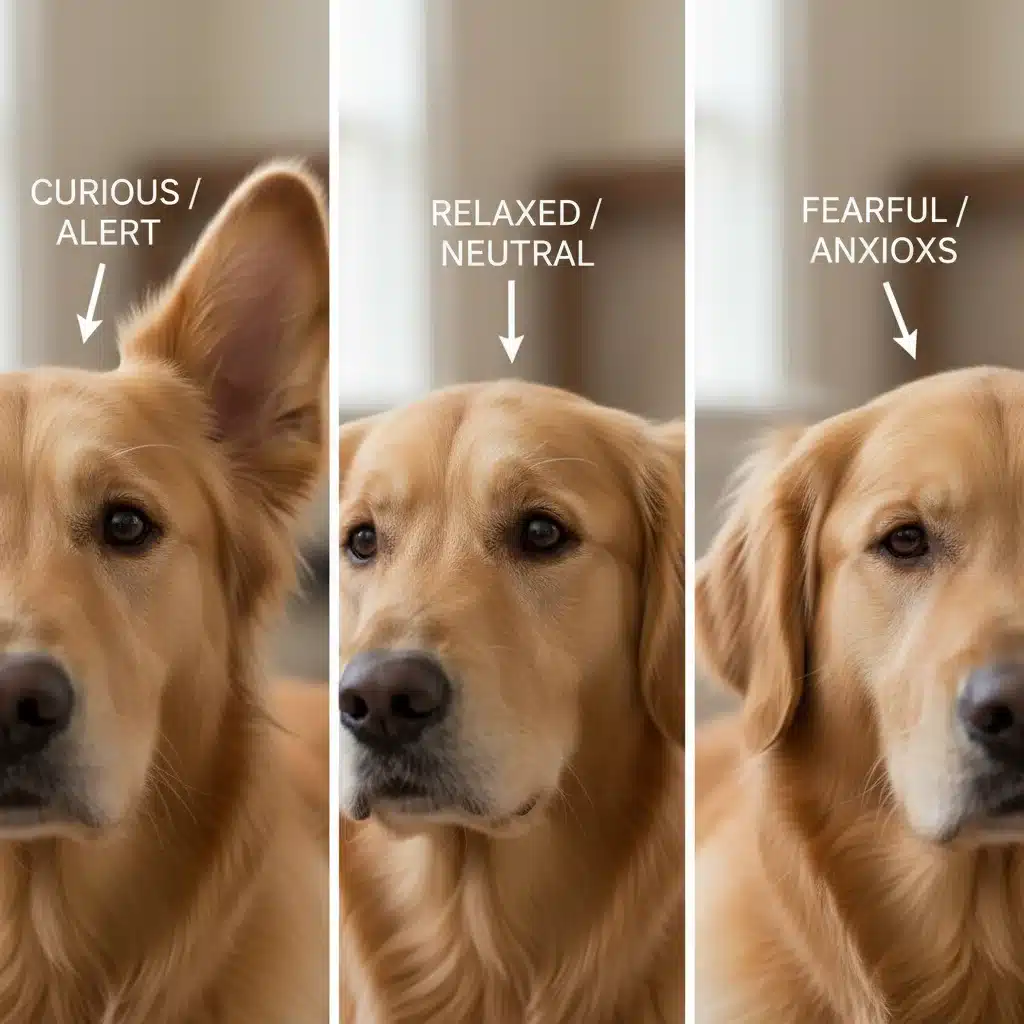
A dog’s ears, regardless of their shape or size, are incredibly expressive and provide vital clues to their emotional state. Their position can change rapidly, reflecting shifts in attention, mood, and perceived threats.
- Ears Forward/Perked: When a dog’s ears are perked up and pointed forward, it usually means they are alert, attentive, and interested in something. They are actively listening and trying to gather information from their environment. This can be seen during playtime, when hearing a command, or investigating a new sound.
- Ears Flattened Back (Pasted to Head): Ears flattened tightly against the head are a strong indicator of fear, anxiety, or submission. The dog is trying to make itself appear non-threatening and avoid confrontation. This can also be seen in dogs experiencing pain or discomfort.
- Ears Slightly Back/to the Side: Ears held slightly back or to the side, often referred to as “airplane ears,” can indicate mild apprehension, uncertainty, or a dog that is feeling a bit uncomfortable but not necessarily fearful. It can also be a sign of a dog listening intently to sounds behind them.
- Neutral/Relaxed Ears: For breeds with erect ears, this means they are not overly forward or backward. For breeds with floppy ears, they will hang naturally. This position indicates a relaxed and comfortable dog.
Observing ear position is a key component of deciphering dog body language. Combined with eye contact and mouth posture, ears offer a detailed insight into a dog’s internal state.
Eyes: Windows to the Canine Soul
A dog’s eyes convey a wealth of information. Learning to read their gaze, pupil dilation, and overall eye shape is fundamental to understanding their dog body language.
- Soft Gaze/Squinting: A soft, relaxed gaze, sometimes with slightly squinted eyes, indicates a comfortable, happy, and non-threatening dog. This is a sign of contentment and trust.
- Hard Stare/Direct Eye Contact: Prolonged, unbroken direct eye contact from a dog can be a challenge or a threat. It’s often a sign of dominance or aggression, especially if accompanied by a stiff body. Avoid staring directly into an unfamiliar dog’s eyes, as they may perceive it as confrontational.
- Averted Gaze: A dog that avoids eye contact or looks away is often showing appeasement, submission, or fear. They are trying to de-escalate a perceived threat.
- Whale Eye: This term refers to when the whites of the dog’s eyes are visible, often at the inner or outer corners. It’s a strong indicator of stress, fear, or anxiety. The dog is usually looking away from something but turning its head only slightly, revealing the whites of its eyes.
- Dilated Pupils: Just like humans, dilated pupils in dogs can indicate excitement, fear, or arousal. In a stressful situation, dilated pupils combined with other fear signals are a clear warning sign.
Paying close attention to your dog’s eyes will greatly enhance your ability to interpret their dog body language and respond appropriately.
Mouth & Facial Expressions: Subtle Yet Significant
The mouth and surrounding facial muscles are incredibly expressive in dogs, offering a rich source of information about their emotional state. Understanding these subtle cues is vital for interpreting dog body language.
- Relaxed Mouth/Slightly Open: A relaxed mouth, often slightly open with the tongue perhaps peeking out, indicates a calm, happy, and comfortable dog. They might be “smiling” or panting gently if warm.
- Closed Mouth/Tight Lips: A tightly closed mouth can signify tension, stress, or even pain. It might also be seen when a dog is highly focused or concentrating.
- Lip Licking: Rapid lip licking, especially when no food is present, is a classic calming signal. It indicates stress, anxiety, or discomfort. The dog is trying to appease and de-escalate a situation.
- Yawning: While sometimes a sign of tiredness, yawning out of context (e.g., when not sleepy) is another calming signal, indicating stress or mild anxiety.
- Panting: While often a sign of being hot or having exercised, rapid, shallow panting can also be a sign of stress or anxiety, especially if accompanied by other stress signals.
- Showing Teeth (without growling): A “submissive grin” where a dog pulls back its lips to show its front teeth, often accompanied by a low body posture and averted gaze, is an appeasement gesture. It’s distinct from an aggressive snarl.
- Snarl/Growl: A dog pulling back its lips to expose its teeth, often with a wrinkled nose and accompanied by a growl, is a clear warning sign of aggression. This is a dog communicating that it feels threatened and may bite if the perceived threat doesn’t retreat.
Observing these facial expressions, particularly around the mouth, provides invaluable insights into your dog’s internal world and helps you react appropriately based on their dog body language.
Overall Body Posture: The Big Picture
Beyond individual body parts, the dog’s overall posture is a critical element of dog body language. It provides a holistic view of their confidence, comfort, and intentions.
- Relaxed Posture: A relaxed dog will have a soft, fluid posture. Their weight will be evenly distributed, muscles loose, and head held naturally. They appear at ease and approachable.
- Play Bow: This unmistakable posture involves the dog lowering its front end to the ground while keeping its rear end up, often with a wagging tail. It’s an invitation to play and signals that subsequent roughhousing is just fun and not aggressive.
- Crouching/Lowered Body: A lowered body posture, often accompanied by a tucked tail and averted gaze, signifies fear, submission, or an attempt to appear non-threatening.
- Stiff/Frozen Posture: A dog that suddenly freezes or becomes very stiff is often highly aroused, stressed, or preparing for action. This can be a precursor to aggression or a flight response. It’s a warning sign that the dog is uncomfortable.
- Piloerection (Raised Hackles): When a dog’s fur stands up along its spine (from the neck to the tail), it’s called piloerection or “raised hackles.” This is an involuntary physiological response to arousal, which can be fear, excitement, or aggression. It doesn’t automatically mean aggression, but it indicates the dog is highly stimulated and processing a strong emotion.
- Leaning Away/Turning Head: A dog that leans its body away from you or turns its head to avoid direct engagement is showing discomfort or a desire to create space. Respect this signal.
- Rolling Over (Exposing Belly): While sometimes an invitation for a belly rub in a trusted environment, rolling over and exposing the belly, especially with a tucked tail and averted gaze, is often a strong sign of submission or extreme fear. The dog is trying to communicate “I give up” or “I’m not a threat.”
Observing the entire body allows you to piece together the complete narrative of your dog’s dog body language, providing a more accurate understanding of their emotional state.
Calming Signals: De-escalating Canine Stress
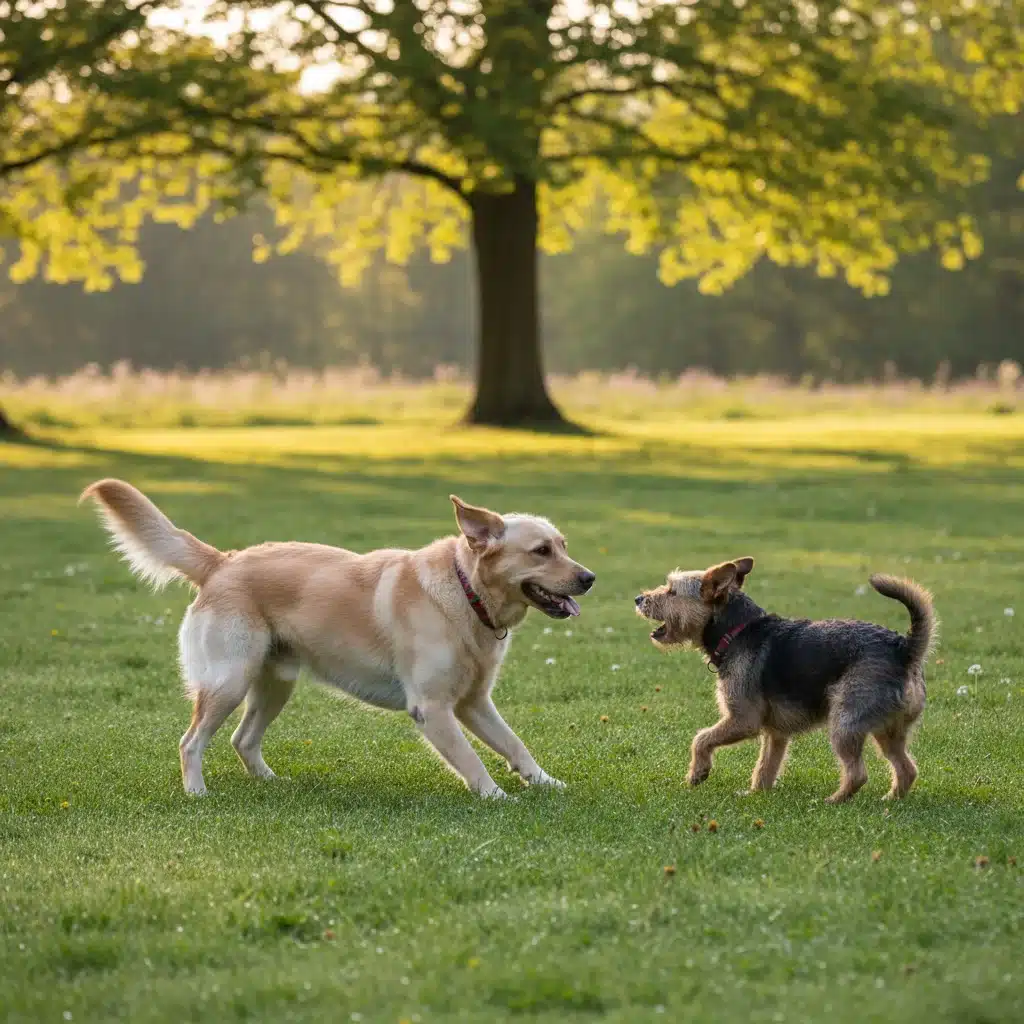
Dogs are masters of de-escalation, employing a range of “calming signals” to reduce tension in interactions, whether with other dogs or with humans. Recognizing these signals is a cornerstone of understanding dog body language and responding appropriately to prevent conflict.
- Lip Licking: As mentioned, rapid lip licking when no food is present is a common calming signal, indicating stress or a desire to appease.
- Yawning: Yawning when not tired is another significant calming signal, often used to diffuse tension or show mild anxiety.
- Head Turns/Averting Gaze: Turning their head away or avoiding direct eye contact is a way for dogs to signal “I mean no harm” and reduce perceived threat.
- Softening Eyes: Squinting or blinking slowly can be a calming signal, indicating a relaxed state or an attempt to appear less threatening.
- Walking in a Curve/Arced Approach: Dogs rarely approach each other head-on. Instead, they often walk in a slight curve to avoid direct confrontation, which is a calming and polite gesture.
- Sniffing the Ground: Randomly sniffing the ground when there’s nothing particularly interesting to sniff is a way for dogs to show they are not a threat and to de-escalate tension.
- Shake Off: Like shaking off water, a full-body shake-off can be a way for dogs to “shake off” stress or tension after a potentially uncomfortable situation.
- Sitting/Lying Down: A dog that voluntarily sits or lies down in a stressful situation is trying to appear non-threatening and calm the interaction.
By recognizing these calming signals in your dog and even employing some yourself (like turning slightly away or yawning), you can significantly improve your communication and help your dog feel more secure.
Context is Key: Putting It All Together
It’s crucial to remember that no single dog body language cue should be interpreted in isolation. Always consider the full context of the situation, the dog’s breed (as some breeds have naturally different postures or tail sets), and the combination of multiple signals.
For example, a wagging tail on its own might seem friendly, but if it’s high and stiff, accompanied by a hard stare, dilated pupils, and raised hackles, the dog is likely feeling threatened or aggressive, not happy. Conversely, a tucked tail might indicate fear, but if the dog is also doing a play bow, it could be an invitation to a game of chase where they pretend to be scared.
Think of dog body language as a language with many interwoven components. The more you observe and practice, the better you will become at “reading” your dog and understanding their complex emotional landscape. Pay attention to:
- The Environment: Is it a busy park, a quiet home, or a new, unfamiliar place?
- Other Individuals: Who is around? Other dogs, children, strangers?
- Recent Events: Has something just happened that might have triggered a reaction?
- Your Own Body Language: Are you inadvertently sending signals that your dog is reacting to?
By integrating all these factors, you move from simply seeing a dog’s actions to truly understanding their intentions and feelings, which is the ultimate goal of mastering dog body language.
Common Misconceptions About Dog Body Language
Despite the wealth of information available, several widespread misconceptions about dog body language persist. Dispelling these myths is vital for responsible dog ownership and safe interactions.
- “A wagging tail always means a happy dog.” As discussed, this is far from true. The specific characteristics of the wag (speed, height, breadth) are crucial. A high, fast, stiff wag can indicate arousal or anxiety, not necessarily happiness.
- “A dog that licks your face is showing affection.” While some licks are affectionate, many are actually appeasement gestures or a way for the dog to gather information. Excessive licking, especially in a tense situation, can be a calming signal indicating stress or submission.
- “Dogs show guilt.” When a dog looks “guilty” after doing something wrong (like an accident on the floor), they are not experiencing human-like guilt. Instead, they are reacting to your angry tone, disappointed facial expressions, or tense body language. Their lowered head, averted gaze, and tucked tail are appeasement behaviors designed to diffuse your anger, not an admission of wrongdoing. They are responding to your current emotional state, not reflecting on their past actions.
- “A dog that growls is aggressive and should be punished.” A growl is a warning. It’s a dog’s way of saying “I’m uncomfortable and need you to stop.” Punishing a growl teaches a dog not to warn, which can be dangerous. A dog that has learned not to growl might skip the warning and go straight to a bite. Instead, listen to the growl, identify the cause of the discomfort, and remove the dog from the stressful situation or remove the stressor.
- “Yawning means a dog is tired.” While sometimes true, yawning (especially in a stressful context) is a common calming signal used to alleviate anxiety or de-escalate tension.
- “A dog that rolls over for a belly rub is always inviting interaction.” While a relaxed, playful dog might invite a belly rub, many dogs roll over to expose their vulnerable belly as a strong sign of submission or extreme fear. Always observe other cues – a tucked tail, averted gaze, and tense body indicate fear, not an invitation for interaction.
Understanding these common pitfalls in interpreting dog body language allows for more accurate communication and builds a foundation of trust rather than misunderstanding.
Enhancing Your Communication with Your Dog
Now that you’re equipped with a deeper understanding of dog body language, how can you use this knowledge to improve your daily interactions?
- Be an Observer: Make a conscious effort to regularly watch your dog’s body language in various situations. Notice the subtle shifts in their ears, eyes, tail, and posture. The more you observe, the better you’ll become at recognizing patterns and anticipating their needs.
- Respond Appropriately: If your dog is showing signs of stress (lip licking, yawning, whale eye, tucked tail), remove them from the stressful situation or create distance from the stressor. If they are showing signs of fear, avoid forcing interaction. Respect their need for space.
- Use Calming Signals Yourself: Dogs read our body language too! You can use calming signals to communicate back to your dog. Turn your body slightly away, avoid direct eye contact, yawn, or lick your lips (subtly, of course!). This can help anxious dogs feel more at ease.
- Positive Reinforcement: When your dog displays relaxed and confident body language, reward it. This reinforces the behaviors you want to see and builds their confidence in various situations.
- Slow and Gentle Interactions: When meeting new dogs or people, advocate for your dog. Encourage slow, curved approaches rather than direct, head-on greetings. Allow your dog to initiate contact if they feel comfortable.
- Educate Others: Share your knowledge with family and friends, especially children, about how to interact respectfully with dogs and recognize their signals. This is crucial for preventing bites and ensuring positive experiences for everyone.
- Consult a Professional: If you’re consistently struggling to interpret your dog’s behavior or if they are exhibiting concerning behaviors (e.g., aggression, severe anxiety), consult a certified professional dog trainer or veterinary behaviorist. They can provide tailored guidance and support.
By actively engaging with your dog’s communication, you transform your relationship from a one-sided command structure to a genuine dialogue. This deeper understanding fosters trust, reduces anxiety for both you and your dog, and ultimately leads to a far more enriching and joyful companionship.
Conclusion: A Lifetime of Learning and Connection
The journey to mastering dog body language is an ongoing one. Dogs are complex, intelligent creatures, and their communication is wonderfully intricate. By committing to observe, learn, and respond with empathy, you unlock a profound level of understanding with your canine companion. This isn’t just about avoiding problems; it’s about enriching your shared life, deepening your bond, and truly appreciating the incredible individuals our dogs are.
Embrace the challenge of becoming fluent in canine communication. Pay attention to the subtle flick of an ear, the tension in a jaw, or the sweep of a tail. By doing so, you’ll not only become a more effective dog owner but also a more compassionate and attuned companion, capable of meeting your dog’s needs in ways you never thought possible. The rewards – a happier, healthier, and more connected dog – are immeasurable.